
The delicate balance between state-of-the-art medical progress and the fundamental safety of hospital environments was tragically compromised at Sydney’s Royal Prince Alfred Hospital when microscopic fungal spores infiltrated a specialized ward housing vulnerable organ transplant recipients. This incident, which occurred during a period of significant infrastructure development, resulted in a cluster of infections that claimed the lives of two patients and left several others in critical condition. While hospitals are typically viewed as sanctuaries of healing, the intersection of heavy construction and clinical care zones creates a unique set of risks that require rigorous, unwavering oversight. The investigation into these fatalities revealed a sequence of environmental factors and procedural gaps that allowed common airborne mold to become a lethal threat to those with compromised immune systems. It is now understood that the presence of Aspergillus, a fungus typically found in soil and organic debris, surged in concentration as nearby earthworks disturbed long-dormant spores, turning the air surrounding the hospital into a hazardous delivery system for infection.
The Mechanics of Environmental Contamination
Pathogenic Risks in Clinical Settings
The biological threat centered on Aspergillus, an opportunistic fungus that poses little to no risk to healthy individuals but acts as a silent predator within the confines of a transplant ward. For patients in Ward 9E, who had recently undergone organ replacement surgeries, their immune systems were intentionally suppressed to prevent organ rejection. This necessary medical state left them utterly defenseless against inhaled spores, which can quickly colonize the lungs and spread to other vital organs. Between November and December of the previous year, six individuals became infected, leading to a desperate clinical battle against disseminated aspergillosis. Unlike bacterial infections that might respond to standard antibiotics, invasive fungal infections are notoriously difficult to treat, often requiring aggressive and toxic antifungal regimens. The tragedy underscored a chilling reality: in a high-stakes medical environment, the most dangerous threats are often invisible to the naked eye and can bypass even the most advanced internal medical protocols if the external environment is not strictly controlled.
The clinical progression of these infections highlighted the devastating speed at which environmental pathogens can overwhelm a weakened host. One patient, who had successfully received a liver transplant, faced a grueling recovery that extended beyond 150 days in intensive care as the mold spread through the bloodstream. This condition, known as disseminated aspergillosis, represents one of the most severe complications in transplant medicine, often resulting in multi-organ failure. While the hospital staff worked tirelessly to manage the clinical symptoms, the underlying cause remained tied to the physical surroundings of the ward itself. The investigation clarified that while two deaths were directly linked to the fungal infection, a third fatality within the cluster was officially attributed to sepsis, though the presence of mold complications added significant complexity to the case. This distinction emphasized the need for precise diagnostic tools that can differentiate between various opportunistic infections in real-time, allowing for more targeted interventions before the damage becomes irreversible for the patient.
Construction Influence and Outdoor Exposure
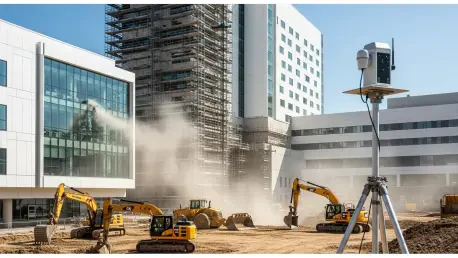
A significant catalyst for the outbreak was the massive $900 million redevelopment project occurring in the immediate vicinity of the clinical towers. Large-scale construction inevitably involves the disturbance of soil, the movement of old building materials, and the generation of significant amounts of dust, all of which are primary reservoirs for Aspergillus spores. When these materials are agitated, spores become airborne and can travel long distances on wind currents, easily finding their way into ventilation systems or open windows. In the case of the Royal Prince Alfred Hospital, the proximity of the excavation sites to the patient wards created a continuous plume of environmental contaminants. Experts pointed out that during periods of high-intensity earthworks, the concentration of fungal spores in the air can increase exponentially, necessitating specialized filtration and strict physical barriers that were apparently insufficient during this critical period. The sheer scale of the modernization project meant that the hospital was operating within a literal construction zone for an extended duration.
The outdoor balcony attached to Ward 9E was identified as a primary site of exposure, serving as a direct conduit for contaminated air to reach the patients. While these outdoor spaces are often designed to provide a therapeutic environment and a sense of normalcy for long-term patients, they proved to be a fatal flaw in the hospital’s infection control strategy during the construction phase. Vulnerable individuals were allowed to access these areas, breathing in air that was heavily laden with spores kicked up by the nearby machinery. The investigation concluded that the lack of restricted access to the balcony during peak construction hours was a critical oversight. It highlighted a disconnect between the facility’s aesthetic and psychological goals and the hard requirements of clinical safety. By allowing the boundary between a sterile medical environment and a dusty construction site to remain porous, the hospital inadvertently exposed its most high-risk patients to a concentrated dose of environmental pathogens that their suppressed immune systems simply could not manage, leading to the cluster of fatalities.
Investigative Findings and Institutional Accountability
Lapses in Monitoring and Surveillance
The formal review led by a panel of senior transplant specialists and submitted to the Chief Health Officer, Dr. Kerry Chant, uncovered systemic failures in the hospital’s existing safety frameworks. Most notably, the institution had an established fungal monitoring program that was specifically designed to detect spikes in airborne spores, yet this program was not operational during the window of highest risk. This failure meant that the clinical staff was essentially working in the dark, unaware that the air quality had deteriorated to dangerous levels. The monitoring protocols were supposed to provide an early warning system that would trigger protective measures, such as moving patients or increasing air filtration, but the absence of data allowed the threat to persist unnoticed for weeks. This administrative lapse suggested that while the hospital had the theoretical tools to protect its patients, the practical execution of these safety measures fell through the cracks during the distractions of the large-scale redevelopment. The report emphasized that having a protocol on paper is useless if it is not rigorously applied on the ground.
Internal communication regarding the risks associated with the construction project was also found to be severely lacking, creating a dangerous information vacuum. While the engineering and construction teams were aware of the dust levels, this information did not effectively reach the clinical teams managing the transplant patients in Ward 9E. This siloed approach to hospital management meant that the doctors and nurses were not prompted to take extra precautions, such as keeping windows and balcony doors sealed at all times. The investigation noted that there were missed opportunities to correlate the start of certain high-dust activities with the sudden onset of respiratory symptoms in the patient population. Without a centralized system to bridge the gap between facility management and clinical care, the risk assessment remained fragmented and incomplete. This lack of coordination is a common pitfall in large healthcare organizations, where different departments often operate independently, but in this instance, the consequences of the communication breakdown were catastrophic, highlighting the need for a more integrated approach to hospital safety.
Implementing Structural and Procedural Reforms
To address the identified deficiencies, NSW Health initiated several major reforms aimed at hardening the hospital’s defenses against environmental pathogens. One of the primary actions involved significantly increasing the frequency and density of air quality sampling throughout the campus, particularly in areas adjacent to active construction sites. This ensures that any deviation from safe spore levels is detected immediately, allowing for rapid mitigation. Additionally, a new Fungal Surveillance Committee was established to oversee these monitoring efforts and ensure that data is shared across all relevant departments, from maintenance to oncology. This committee acts as a dedicated watchdog, specifically focused on the intersection of the physical plant and patient health. The integration of advanced sensor technology, capable of providing real-time air quality metrics, has been prioritized to replace the older, more manual sampling methods. These structural changes represent a shift toward a proactive rather than reactive stance, where the hospital environment is treated with the same level of scrutiny as a surgical theater.
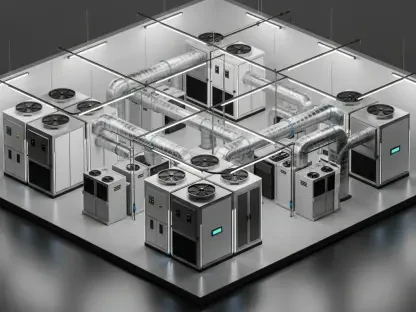
The Sydney Local Health District moved beyond simple procedural updates by reinforcing safety protocols that mandated strict physical barriers between construction zones and clinical areas. These new standards required the installation of high-efficiency particulate air (HEPA) filtration systems in all high-risk wards and the total enclosure of transit corridors used by patients. Furthermore, the hospital leadership implemented a comprehensive training program for all staff to recognize the environmental signs of potential contamination, such as visible dust or unusual odors, and empowered them to report these issues without delay. By 2026, the hospital had fully integrated these protocols into its daily operations, creating a culture where environmental safety became a shared responsibility among all employees. The tragic events at the Royal Prince Alfred Hospital served as a somber lesson for healthcare institutions worldwide, demonstrating that even common environmental elements like mold can become deadly weapons if vigilance is sacrificed for progress. These measures ensured that future redevelopment projects would not come at the cost of patient lives, placing safety at the center of innovation.