
By leveraging a massive dataset of 16,000 real-time text conversations from the Crisis Text Line, scientists are capturing the raw language used during moments of extreme vulnerability. This monumental effort by researchers at the MIT McGovern Institute for Brain Research represents a fundamental
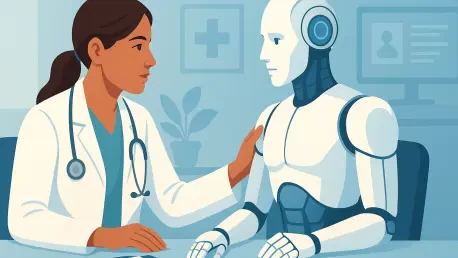
Medical vendors and hospital systems have a three-year window to inventory their digital tools and align their workflows with California’s new professional autonomy standards. This directive comes following the enactment of Assembly Bill 1979, a pioneering piece of legislation signed by Governor
Enterprise administrators are increasingly prioritizing governability and accountability by logging every automated action under a unique agent identity. This shift is a direct response to the era of fragmented AI, where workers were forced to toggle between disconnected tools for writing code,

Recent legal precedents, including massive settlements by Meta and Google, suggest a shift in how courts view the collection of biometric information. This evolution reached a critical junction on September 30, 2026, when Chief Judge Nancy J. Rosenstengel of the U.S. District Court for the Southern
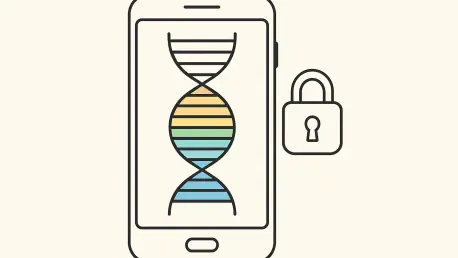
A significant risk in modern medicine involves the permanent nature of genetic data, as a single breach can expose a person's biological blueprint for their entire lifetime. Unlike a standard password or a credit card number that can be easily revoked and replaced, one’s genetic makeup is a

The concept of data deletion in AI remains largely an illusion because information typically persists in vector indices, model parameters, and logs even after a user hits the delete button. Recent investigations led by researchers like Abdellah Ben yahia suggest that these vulnerabilities are not
1 2 3 4 5 6 7 8 9 10 11 12 13 14 15 16 17 18 19 20 21 22 23 24 25 26 27 28 29 30 31 32 33 34 35 36 37 38 39 40 41 42 43 44 45