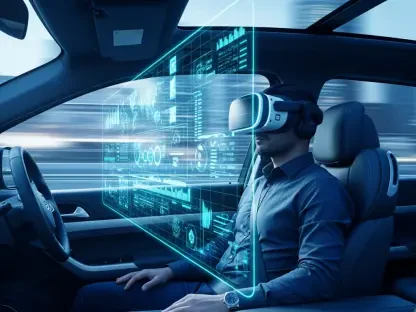
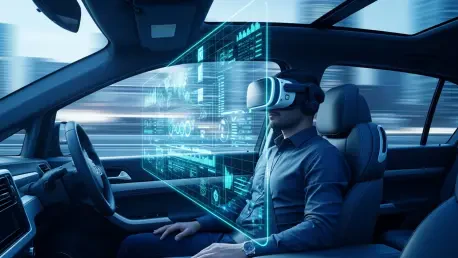
The realization of fully productive autonomous travel hinges significantly on overcoming the physiological discomfort caused by the sensory mismatch between physical movement and visual digital content. This phenomenon, commonly referred to as motion sickness, occurs when the inner ear detects
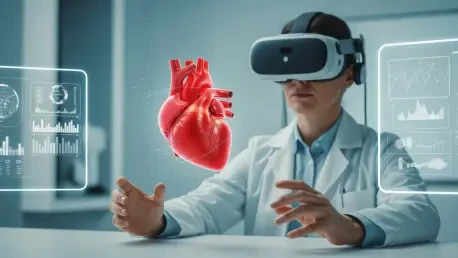
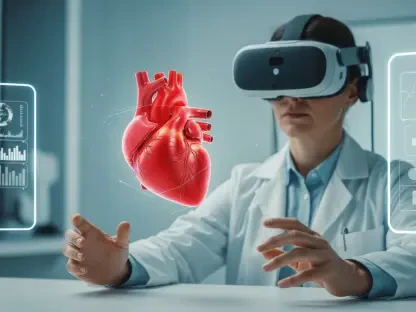
The days of peering through the restricted keyhole of a flat glass screen are rapidly fading as digital data begins to flow into the physical rooms where professionals collaborate and operate. This transition marks the end of a purely observational relationship with technology, moving instead
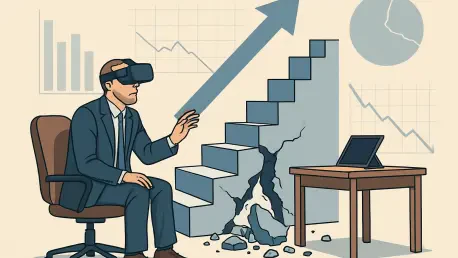
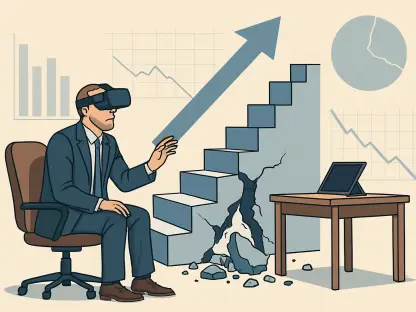
The sheer cinematic brilliance of a modern augmented reality demonstration often masks the profound logistical complexities that prevent these immersive tools from becoming permanent fixtures on the contemporary factory floor or in the corporate boardroom. While the adoption of Extended Reality

The long-standing dream of replacing handheld screens with lightweight, intelligent eyewear has finally crossed the threshold from experimental novelty into a functional daily reality for millions of users worldwide. As of 2026, the augmented reality industry has effectively shed its reputation for
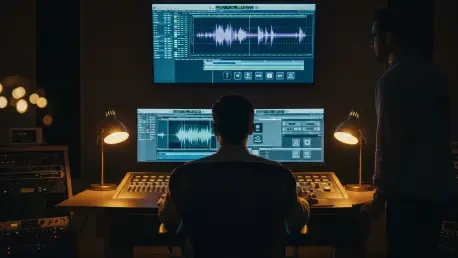
A scrappy animated feature called Flow glided from festival favorite to Oscar winner with help from open-source software, and the applause in the room sounded less like a coronation of machines than a cheer for the artists who bent code to their will in service of story. The moment captured a
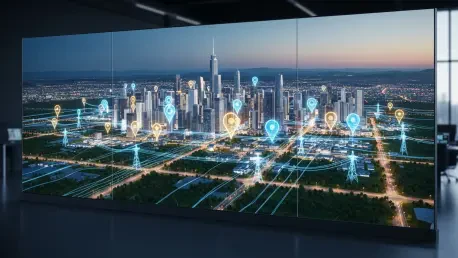
The convergence of high-fidelity gaming visuals and precise geographic information systems has reached a transformative stage where digital representations of the physical world are virtually indistinguishable from reality. This evolution is perfectly embodied in the release of the ArcGIS Maps SDK