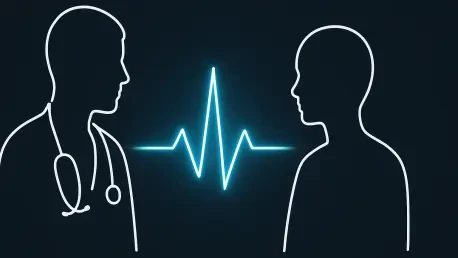
Sophisticated data manipulation strikes at both the input and output of a system, potentially collapsing the ethical principles of autonomy and non-maleficence. The integration of artificial intelligence into medical imaging represents a transformative shift in healthcare, moving from experimental

When an AI scans a user's social network to provide personalized assistance, it inherently processes the private data of third-party contacts without their explicit legal consent. This technological advancement represents a pivotal moment in the digital age, as the seamless integration of

The invisible architecture of modern decision-making has evolved from a fragmented collection of human biases into a singular, streamlined logic that dictates the economic fate of millions with unprecedented precision and frightening uniformity. This Algorithmic Monoculture represents a significant
Harmonic Security is addressing the security gaps found in personal account usage by monitoring desktop AI tools that traditional security measures often overlook. The challenge for modern enterprises is not just stopping data leaks but fostering an environment where innovation thrives without
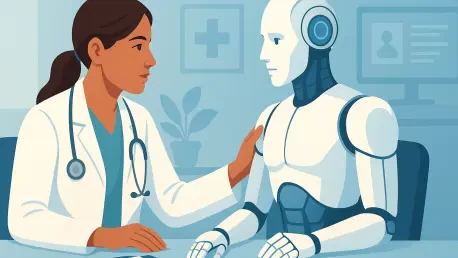
Medical vendors and hospital systems have a three-year window to inventory their digital tools and align their workflows with California’s new professional autonomy standards. This directive comes following the enactment of Assembly Bill 1979, a pioneering piece of legislation signed by Governor

High-risk AI systems require rigorous documentation, including model cards and decision logs, to satisfy transparency requirements and regulatory standards. In the current landscape of 2026, where corporate adoption of generative and predictive models has reached an all-time high, the focus has
1 2 3 4 5 6 7 8 9 10 11 12 13 14 15 16 17 18 19 20 21 22 23 24 25 26 27 28 29 30 31 32 33 34 35 36 37 38 39 40 41 42 43 44 45 46 47 48 49 50 51 52 53 54 55 56 57 58 59 60 61 62 63 64