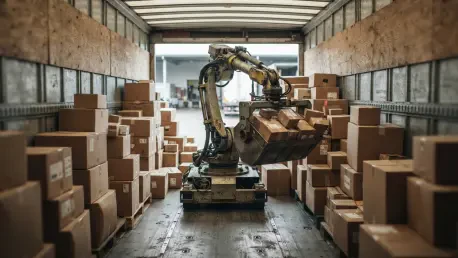

The integration of multi-headed AI models allows trailer unloading systems to detect specific obstructions and identify the boundaries of transport vehicles. This specific advancement in physical intelligence is currently redefining how modern logistics hubs handle the unpredictable nature of global freight. As supply chains navigate the complexities of 2026, the reliance on static automation has proven insufficient for high-variability environments where mixed SKUs and irregular packaging are the norms. Berkshire Grey, a prominent subsidiary of SoftBank Group, is leading this transformation through its BG Pilot software platform, which synthesizes a decade of operational data and billions of successful robotic picks into a unified intelligence framework. This software allows robots to move beyond repetitive motions, enabling them to make real-time decisions that were previously reserved for human operators. By bridging the gap between digital processing and physical labor, the platform ensures that warehouse operations maintain enterprise-grade reliability even as throughput demands continue to surge.
Innovations in Robotic Logic and Coordination
Mastering Environmental Variability and Precision
The deployment of the Scoop perception system represents a critical milestone in robotic vision, utilizing 3D data and sophisticated AI to navigate the chaotic interior of cargo trailers. Unlike traditional scanners that struggle with varying light or overlapping packages, this technology accurately distinguishes between trailer walls and diverse merchandise. It identifies which items are suitable for autonomous picking and flags those requiring manual intervention, thereby streamlining the unloading process without sacrificing safety or accuracy. Furthermore, this level of precision extends to the packing phase through the Core technology suite. By applying machine learning and state estimation, the system automates box selection and high-density packing to maximize every inch of available space. This dual focus on perception and precision ensures that products are handled with care while reducing shipping costs through optimized spatial management. Such capabilities allow large-scale retailers to handle complex orders with a level of efficiency that was unattainable using previous generations of warehouse robotics.
Strategic Resource Orchestration for Fulfillment
Beyond individual task execution, the Stride orchestration tool manages the broader logistical flow by dynamically coordinating labor resources and robotic activities in real time. This system analyzes shipping priorities and operational constraints to optimize store replenishment and fulfillment tasks across the entire facility. The demand for such robust coordination has never been higher, with recent reports indicating a 65% increase in business opportunities for advanced automation solutions over the last six months. Major industry players like FedEx and Meijer have turned to these AI-driven systems to mitigate persistent labor shortages and improve overall throughput in high-pressure sectors. By integrating predictive analytics with physical hardware, organizations can now adjust their workflows on the fly, responding to sudden spikes in order volume or changes in transport schedules. This holistic approach to warehouse management ensures that every asset is utilized effectively, creating a resilient supply chain capable of adapting to the shifting demands of modern commerce.
Strategic Directions for Autonomous Logistics
The implementation of these Physical AI technologies provided a clear roadmap for organizations seeking to modernize their distribution networks through adaptive automation. Decision-makers recognized that the transition away from rigid, preprogrammed logic was essential for maintaining a competitive edge in a market characterized by high variability. By leveraging unified software platforms, companies successfully bridged the divide between digital insights and physical execution, leading to more resilient and autonomous logistics systems. The integration process highlighted the importance of using comprehensive operational data to train robotic models, ensuring they could handle real-world complexities without constant human recalibration. Moving forward, businesses looked toward expanding these intelligent frameworks to cover every stage of the supply chain, from initial unloading to final packing. This strategic shift not only addressed immediate labor concerns but also established a foundation for continuous improvement in operational efficiency. The success of these systems demonstrated that the future of logistics depended on the seamless fusion of hardware and advanced machine learning.