
The global manufacturing sector has reached a critical juncture where the integration of autonomous systems is no longer merely a competitive advantage but a fundamental requirement for maintaining operational viability in an increasingly volatile market. Altimetrik has addressed this shift by launching a sophisticated Industrial AI platform designed to empower manufacturers to move beyond traditional automation toward a fully autonomous state. This new solution focuses on dismantling the pervasive data silos that have historically hindered real-time decision-making and operational transparency across the production floor. By establishing a unified data fabric, the platform allows for the seamless flow of information between legacy hardware and modern digital applications, creating a comprehensive ecosystem. This technological leap is particularly relevant for large-scale facilities that struggle with fragmented systems, as it provides a structured and scalable roadmap for digital business enablement. The launch emphasizes the importance of data engineering as the bedrock upon which successful artificial intelligence initiatives are built, ensuring that the resulting insights are both accurate and actionable for stakeholders at every level.
Bridging Data Silos with Specialized Intelligence
Specialized Industrial AI: The New Operational Standard
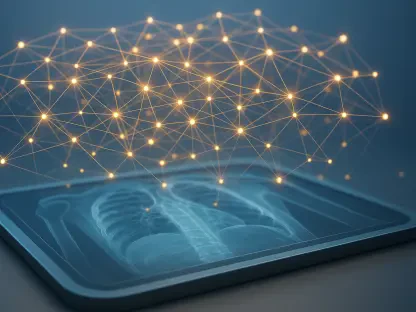
The technical architecture of the platform is centered on specialized generative AI models that have been meticulously trained on industrial-specific datasets to ensure high accuracy and relevance in complex environments. Unlike general-purpose language models, these specialized tools are capable of interpreting intricate sensor telemetry, detailed maintenance logs, and mechanical schematics to provide a holistic view of asset health. This capability allows manufacturers to transition from reactive maintenance schedules to a proactive model where the AI identifies potential points of failure long before they disrupt production. Furthermore, the integration of natural language processing enables shop floor operators to interact with complex data streams using simple verbal or text-based queries. This democratization of information ensures that critical insights are not confined to data science departments but are available to the personnel who manage day-to-day operations. By simplifying the interface between humans and machines, Altimetrik reduces the cognitive burden on the workforce while simultaneously increasing the speed of diagnostic processes.
Digital Twins: Simulating Performance and Risk
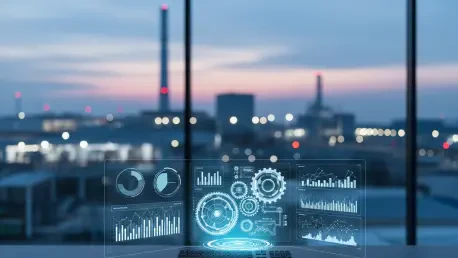
Building upon this foundation of intelligence, the platform incorporates advanced digital twin technology to create highly accurate virtual replicas of physical production lines and entire factory ecosystems. These digital twins enable manufacturers to conduct extensive simulations, allowing them to test the impact of various operational changes or environmental factors without risking any disruption to actual production. For example, a facility can simulate the effects of introducing a new raw material or adjusting line speeds to determine the optimal balance between throughput and energy consumption. The use of real-time data ensures that these virtual models remain perfectly synchronized with their physical counterparts, providing a reliable sandbox for continuous innovation. Additionally, the system utilizes edge computing nodes to process critical data at the source, which significantly reduces latency and ensures that automated safety protocols can be executed instantaneously. This combination of foresight through simulation and rapid response through edge processing creates a resilient manufacturing environment.
Driving Efficiency through Autonomous Systems
Workforce Augmentation: The Human-Machine Partnership
As organizations embrace more autonomous workflows, the platform also places a significant emphasis on workforce augmentation, ensuring that technology serves to enhance rather than replace human expertise. By automating the most repetitive and data-intensive tasks, the Industrial AI allows skilled workers to focus on high-value roles such as strategic planning, system oversight, and creative problem-solving. The platform includes sophisticated knowledge management modules that capture the institutional wisdom of experienced technicians, effectively creating a persistent digital memory that benefits the entire organization. This is especially vital in an era where the manufacturing sector faces a growing skills gap, as it provides new employees with immediate access to expert-level guidance through the AI interface. Moreover, the system facilitates a culture of continuous learning by providing real-time feedback and training recommendations based on the operator’s interactions with the machinery. This collaborative approach between human ingenuity and artificial intelligence fosters an environment of innovation.
Strategic Resilience: Actionable Sustainability Outcomes
The widespread implementation of these autonomous technologies effectively transformed the manufacturing landscape by prioritizing both operational efficiency and long-term environmental sustainability. Organizations that adopted the platform observed a significant reduction in resource waste and energy consumption, as the AI-driven optimization algorithms ensured that every input was utilized with maximum precision. These companies moved beyond traditional metrics of success to include sustainability as a core component of their digital transformation strategies, reflecting a broader shift toward responsible industrial practices. To sustain these gains, business leaders were encouraged to maintain a flexible digital infrastructure that could easily integrate future advancements in sensor technology and machine learning models. The success of this launch provided a definitive blueprint for how modern enterprises could navigate the complexities of global competition through disciplined data engineering. Ultimately, the transition to autonomous manufacturing was recognized as a journey of continuous improvement and resilience.