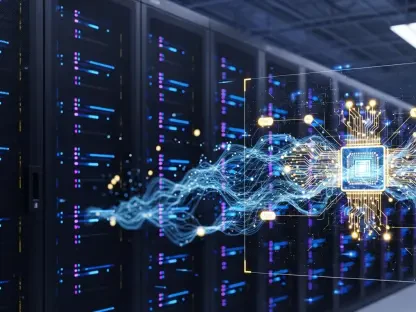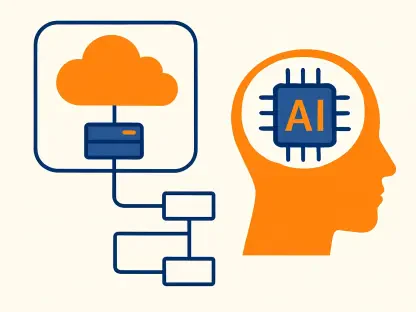

The rapid evolution of generative artificial intelligence has fundamentally altered the global energy landscape, placing immense pressure on aging electrical grids and traditional power management systems. As data centers evolve from simple storage hubs into high-performance processing engines, the demand for reliable and sustainable electricity has become the single most significant hurdle for the technology sector. In response to this challenge, Baker Hughes and Google Cloud have established a strategic collaboration aimed at merging industrial engineering with advanced data analytics. Announced during the CERAWeek conference, this partnership focuses on creating a comprehensive digital ecosystem that can manage the complex power requirements of modern computing infrastructure. By leveraging a century of expertise in turbomachinery alongside cutting-edge machine learning, the two organizations seek to transform how energy is generated, monitored, and consumed across the digital economy. This initiative represents a critical shift toward a more resilient and integrated approach to industrial power management.
Synthesizing Industrial Hardware and Digital Intelligence
Enhancing Turbomachinery Performance Through AI Integration
The technical core of this collaboration involves the deployment of Baker Hughes’ sophisticated turbomachinery and power generation equipment, which is now being enhanced by Google Cloud’s analytical capabilities. For decades, industrial power systems operated as isolated assets with limited visibility into real-time performance metrics beyond basic operational parameters. Under this new framework, these heavy industrial components are being outfitted with advanced sensors that feed high-fidelity data directly into the cloud. This allows for the creation of digital twins—virtual replicas of physical turbines and compressors—that can simulate various operational scenarios and predict maintenance needs before a failure occurs. By identifying subtle deviations in vibration, temperature, and pressure, the integrated AI can recommend micro-adjustments that significantly extend the lifespan of the equipment. Such precision ensures that the primary energy movers within a data center environment operate at peak efficiency, reducing the total fuel consumption required to maintain mission-critical uptime.
The integration process extends beyond simple monitoring to include autonomous optimization of energy workflows within complex industrial sites. Google Cloud’s AI models are specifically trained to interpret the vast amounts of unstructured data generated by Baker Hughes’ equipment, turning raw mechanical signals into actionable business intelligence. This synergy allows data center operators to balance the immediate cooling needs of massive server racks with the available power output from on-site generation units. Moreover, the partnership enables the synchronization of power generation with fluctuating digital loads, which are often unpredictable in the era of large-scale AI training. Instead of maintaining a constant, high-output state that wastes energy during low-demand periods, the system can dynamically scale its power production. This transition from reactive to proactive energy management represents a significant milestone in the modernization of industrial systems, ensuring that physical infrastructure can finally keep pace with the speed of digital innovation.
Modernizing Power Generation for Scalable Digital Loads
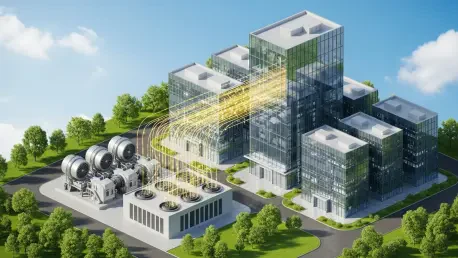
Addressing the sheer scale of modern energy requirements necessitates a shift toward more modular and flexible power generation technologies that can be deployed rapidly. Baker Hughes is providing a range of localized energy solutions, including small-footprint gas turbines and integrated power modules that are specifically designed for the high-density requirements of modern data centers. These systems are being optimized to run on a variety of fuels, including lower-carbon options such as hydrogen blends, which aligns with broader industry goals for environmental responsibility. By placing power generation closer to the point of consumption, data centers can mitigate the transmission losses associated with long-distance electrical distribution from central grids. This decentralized approach not only improves energy efficiency but also provides a layer of operational resiliency against grid instabilities. The collaboration ensures that these physical assets are fully integrated into a unified management platform, allowing for seamless control across multiple sites.
The scalability of these solutions is further enhanced by Google Cloud’s ability to manage enterprise-level deployments across diverse geographic regions. As data center operators look to expand their footprint from 2026 through 2028, they require a standardized energy framework that can be replicated across different regulatory and environmental contexts. The software layer developed through this partnership provides a consistent interface for managing varied energy assets, regardless of their location or specific hardware configuration. This allows for a global view of energy performance, enabling organizations to benchmark their operations and identify best practices for reducing electricity waste. By combining localized power generation with a centralized digital brain, the initiative effectively removes the bottlenecks associated with traditional utility connections. This strategic alignment between hardware and software creates a blueprint for the future of industrial infrastructure, where the availability of power is no longer a constraint on technological growth.
Implementing Sustainable Growth Strategies
The Energy Equation: Balancing Demand and Carbon
A central component of this initiative is the application of Baker Hughes’ “The Energy Equation” strategy, which seeks to simplify the complex relationship between industrial production and environmental impact. In the context of the data center sector, this involves finding the optimal balance between the high-performance computing required for artificial intelligence and the imperative to reduce greenhouse gas emissions. The collaboration utilizes Google Cloud’s advanced carbon tracking tools to provide a transparent view of the environmental footprint of every megawatt generated and consumed. This data-driven approach allows operators to prioritize the use of renewable energy sources or higher-efficiency turbines based on real-time carbon intensity metrics. By quantifying the environmental cost of digital operations, the partnership empowers companies to make informed decisions that align their growth trajectories with their sustainability commitments. This transparency is essential for maintaining public trust and meeting evolving regulatory standards.
Furthermore, the partnership focuses on identifying new pathways for utilizing waste heat and optimizing cooling systems, which are among the most energy-intensive aspects of data center operations. AI algorithms analyze thermal patterns within the facility to optimize airflow and liquid cooling cycles, ensuring that no energy is wasted in maintaining the necessary operating temperatures for sensitive hardware. This level of optimization is only possible through the deep integration of mechanical engineering data and cloud-based processing power. By treating the data center as a holistic industrial ecosystem rather than a collection of separate components, Baker Hughes and Google Cloud can uncover efficiencies that were previously hidden. These improvements contribute to a significant reduction in the Power Usage Effectiveness (PUE) ratio, a key metric for measuring data center efficiency. As the industry moves forward, these data-driven sustainability strategies will become the standard for any organization looking to scale its digital infrastructure in a responsible and economically viable manner.
Establishing New Benchmarks for the Digital Economy
The impact of this collaboration extends beyond the immediate technical benefits, as it sets a new benchmark for how industrial and technology companies can work together to solve global challenges. By proving that AI can be used to optimize large-scale mechanical systems, Baker Hughes and Google Cloud are paving the way for similar transformations in other energy-intensive sectors, such as manufacturing and heavy transport. The insights gained from managing data center power loads are directly applicable to any industry that requires high-reliability, low-carbon energy solutions. This cross-sectoral knowledge transfer is vital for the broader transition toward a more sustainable global economy, where digital intelligence acts as a catalyst for industrial efficiency. The partnership demonstrates that the path to a lower-carbon future does not require a trade-off between technological progress and environmental stewardship; rather, it requires a fusion of both to create a more resilient and productive infrastructure.
In conclusion, the strategic alignment between these two industry leaders established a comprehensive framework for the future of energy management. Data center operators successfully implemented these AI-driven solutions to achieve unprecedented levels of power efficiency and operational reliability. The transition toward a more integrated digital and physical infrastructure allowed for the continued expansion of high-performance computing without overwhelming local energy resources. As companies looked toward the next phase of growth, they adopted these standardized power systems to ensure consistent performance across their global operations. The collaboration ultimately shifted the industry’s focus toward proactive carbon management and decentralized power generation, proving that complex energy problems could be solved through collaborative innovation. These actionable steps provided a clear roadmap for the digital economy to thrive in a resource-constrained world, ensuring that the infrastructure of the future remained both powerful and sustainable.