
Just a short time after the premature demise of high-profile devices seemed to signal the end of the AI wearable experiment, a palpable new energy has revitalized the category, making it a focal point of recent tech showcases like CES. From high-profile failures to a high-energy comeback, AI wearables are once again at the forefront of tech innovation. This analysis explores the resurgence of devices designed to be our constant companions, examining the technological leaps, market diversity, and the profound privacy questions they raise. The forces driving this trend, the key players shaping its future, and what it means for the human relationship with technology are all under the microscope.
The Market’s Second Wave: Growth Amidst Skepticism
The narrative surrounding AI wearables has shifted dramatically from one of caution to one of calculated optimism. Following early stumbles that tested consumer patience, a combination of mature technology and strategic corporate maneuvering is fueling a second, more promising wave of innovation. This renewed push suggests the industry has learned from past mistakes and is now better equipped to deliver on the long-standing promise of a truly personal AI companion.
Data Points and Driving Forces
Despite the cautionary tale of the Humane AI Pin’s discontinuation, a flurry of major corporate investments signals a significant market rebound. Key indicators of this renewed industry confidence include Amazon’s strategic acquisition of the wearable AI startup Bee and Meta’s purchase of the AI device company Limitless. Moreover, the high-profile collaboration between OpenAI’s Sam Altman and renowned designer Jony Ive on a new AI device has captured the industry’s attention, reinforcing the belief that the category is poised for a breakthrough.
This comeback is not merely fueled by investment but is fundamentally enabled by technological maturation. Early wearables were frequently hindered by critical flaws, including poor battery life, unreliable software, and unnatural conversational abilities that created a frustrating user experience. Recent advancements, particularly in the development of more powerful and efficient computer chips, are systematically overcoming these initial hurdles. Consequently, the new generation of devices is proving to be far more functional and practical, making the core concept of an always-on assistant a more viable reality.
A Spectrum of Innovation: Real-World Applications
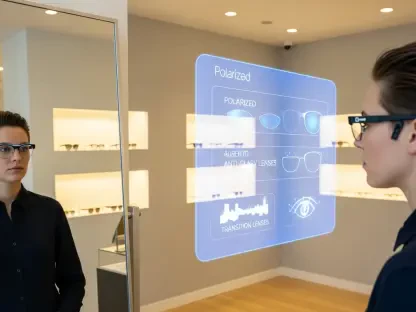
The primary use case pitched for this new generation of wearables is that of a vigilant, hands-free personal assistant. Manufacturers envision devices capable of automated note-taking during meetings, managing calendars, and capturing significant life moments without the user ever needing to reach for a phone. This vision of seamless integration into daily life aims to reduce screen fatigue and allow users to remain more present in their physical surroundings while still benefiting from digital assistance.
In pursuit of this vision, the industry has not yet settled on a dominant design, leading to a wide array of experimental products and form factors. Pendants and brooches, such as Motorola’s prototype for voice control and the iBuddi “companion medallion,” offer a fashion-forward approach. In contrast, devices like the Vocci ring and Plaud’s conversation-tracking pin prioritize discretion. This vibrant marketplace of ideas reflects a period of intense innovation as companies search for the perfect balance of function, style, and user comfort.
Within this experimental landscape, a clear philosophical split is emerging around data collection. On one side are privacy-conscious devices like iBuddi, which is intentionally designed to “react to moments that matter” rather than continuously record. On the other side are lifelogging wearables such as the Looki L1, which continuously capture the user’s point-of-view to offer proactive advice and summarize daily events. This divergence highlights the central tension in the market between delivering hyper-personalized assistance and respecting user privacy.
Expert Perspectives on the Privacy Equation
The debate over AI wearables inevitably centers on privacy, and expert analysis suggests a complex and evolving public sentiment. While concerns about surveillance are potent, they exist within a technological landscape where users have already accepted significant trade-offs. Techsponential analyst Avi Greengart suggests that while privacy issues are not disappearing, public expectations are in flux. He argues that consumers are already acclimated to a notable level of surveillance from their smartphones, city cameras, and smart home devices, which may lower the barrier to adoption for new wearables that offer compelling utility.
However, the social acceptance of “always-watching” accessories remains a significant challenge that technology alone cannot solve. Public resistance to the perceived intrusiveness of these devices is a powerful counterforce, highlighted by protest graffiti on advertisements for AI pendants. Messages like “Go make some real friends” directly challenge the technology’s premise and its ties to what critics call “surveillance capitalism.” This social commentary underscores the reality that a device’s success depends not only on its capabilities but also on its ability to align with societal norms and values.
The Future Trajectory: An Ecosystem of Connected Devices
The emerging consensus among industry observers is that AI wearables are unlikely to replace the smartphone. Instead, they are positioned to become common additions to a person’s “personal tech ensemble.” In this future, a user might combine a smartwatch, a smart ring, AI glasses, and a pendant, with each device serving a specialized function within an interconnected ecosystem. This model allows for greater specialization and user choice, creating a more personalized and modular technological experience.
The market is bifurcating to address both sides of the surveillance debate, ensuring the tension between convenience and privacy remains a core dynamic. While some companies continue to push the boundaries of data collection to enhance AI features, the rise of counter-technologies demonstrates a growing demand for privacy-preserving solutions. The “Wearphone”—a mask with integrated private microphones designed to shield conversations—is a prime example of innovation driven by the desire for personal data control in an increasingly monitored world.
Ultimately, the central conflict between the convenience of proactive AI assistance and the fundamental desire for personal privacy will continue to be a defining feature of the wearable landscape. This tension is not a problem to be solved but rather a dynamic force that will drive innovation in both surveillance and counter-surveillance technologies. The market’s evolution will be shaped by how effectively companies navigate this complex interplay of user desire and user apprehension.
Conclusion: Embracing the Personal Tech Ensemble
The AI wearable sector experienced a significant resurgence, driven by a confluence of advanced technology and major corporate investment. This trend was characterized by a diverse and experimental market of form factors, a fundamental philosophical split on data privacy, and a future that pointed toward an ecosystem of integrated devices rather than a single smartphone replacement. The public conversation, in turn, was shaped by a nuanced debate, weighing the clear benefits of convenience against deep-seated concerns about surveillance.
As this technology continues to mature, the critical question shifted from whether these devices will exist to how society will choose to integrate them into daily life. The ultimate success of next-generation AI wearables was determined by their ability to navigate the complex and evolving relationship between technological convenience and the fundamental human need for privacy, a balance that will define the next chapter of personal computing.