

At McClure’s Pickles, tracing ingredients once took 30 to 45 minutes; after an AI integration, the same task took less than two minutes. Bob McClure, the co-owner of McClure’s Pickles in Detroit, says the change came from connecting large language models to the company’s existing business system.

Effie AI’s hybrid deployment model enables on-device processing so that field representatives can receive immediate action plans by simply recording a video of the shelf. This technological leap reflects a massive shift in how Consumer Packaged Goods companies manage store operations in 2026. For
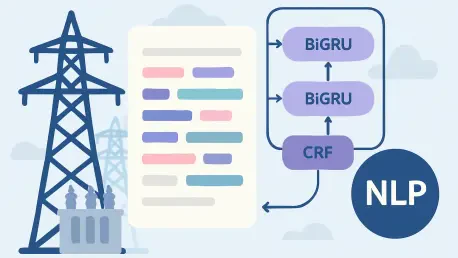
Semi-Markov conditional random fields improve the recognition of long equipment names by modeling complete entity fragments rather than decoding each label independently and in isolation. This sophisticated technological approach was the centerpiece of a 2026 experimental study conducted by M. Gao

Spotify’s massive algorithmic purge specifically targets the visibility of tracks produced by generative artificial intelligence to manipulate streaming numbers. The initiative marks a significant escalation in the streaming giant's efforts to preserve the value of authentic creative work amidst a

Strategic investments in smart robotic ecosystems are helping manufacturers stay competitive in a global market driven by the demand for sophisticated AI hardware. As the electronics sector navigates the complexities of ultra-high-density assembly, the traditional boundaries of automated inspection

A game that launches can still contain the wrong logic. Developer Maurice Heumann’s account of reconstructing a first-person shooter with coding agents makes that gap concrete: after about a month, maps would load, yet errors remained in the code and data structures. As AI enters game editors,

The moment a displaced family crosses an international border, they are often met with a paralyzing lack of reliable information, leaving them exposed to exploitation and physical danger. Case studies from the Mexico-based InfoDigna pilot demonstrate that rapid connections to verified resources can

The ability to predict the physical properties of a material before it ever enters a laboratory environment has long been the holy grail of modern industrial chemistry and solid-state physics. For decades, the process of discovering new substances relied on a combination of intuition and exhaustive

Binary classification systems designed to flag synthetic media are often marketed as definitive judges, yet they remain probabilistic models prone to significant statistical errors and false positives. The literary community recently faced a stark awakening when high-profile accusations of

By serving as a prioritization layer in the clinical workflow, AI tools can help radiologists focus their expertise on the most suspicious cases in high-volume screening environments. This necessity has become increasingly clear as medical imaging volumes continue to expand, placing immense
1 2 3 4 5 6 7 8 9 10 11 12 13 14 15 16 17 18 19 20 21 22 23 24 25 26 27 28 29 30 31 32 33 34 35 36 37 38 39 40 41 42 43 44 45 46 47 48 49 50 51 52 53 54 55 56 57 58 59 60 61 62 63 64 65 66 67 68 69 70 71 72 73 74 75 76 77 78 79 80 81 82 83 84 85 86 87 88 89


