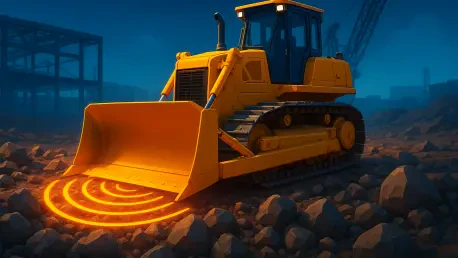

Real-time decision-making on the jobsite is being revolutionized by the ability of machines to interpret complex observations without human intervention. This fundamental shift marks the transition from pre-programmed automation to genuine physical artificial intelligence. As industrial sectors face labor shortages and pressure to increase output, the integration of advanced neural networks into heavy equipment has become a necessity rather than a luxury. The collaboration between industry titan Caterpillar and the software innovator FieldAI represents a pivotal moment in this evolution. By combining decades of engineering data with robot-agnostic foundation models, the partnership aims to equip machines with the cognitive capabilities required to navigate unpredictable terrain. This move creates a dynamic environment where machinery can sense, reason, and act with a level of precision that was previously unattainable outside of controlled laboratory settings or highly structured factory floors.
Integrating Foundation Models: The Logic of Autonomy
The technical foundation of this transformation lies in the development of robot-agnostic models that allow diverse types of machinery to share a common intelligence layer. Unlike traditional software that requires specific code for every individual machine type, these new AI models focus on generalizable logic that can be applied to excavators, dozers, and autonomous haulers alike. This level of adaptability ensures that the intelligence governing a site remains consistent, even when the fleet consists of various hardware generations or specialized tools. By prioritizing a software-first approach, developers have enabled a faster deployment cycle, allowing firms to update the operational logic of their entire fleet through cloud-based distributions. This agility is crucial for responding to the unique demands of specific projects where the terrain and safety requirements change daily. The machines effectively learn from their surroundings, turning every hour of operation into a training session for the broader system.
Data remains the lifeblood of this progress, and the synergy between historical operational records and real-time sensor input is what separates physical AI from generic automation. Caterpillar provides a massive repository of field data, which includes millions of hours of mechanical performance and operator behavior, serving as the primary training ground for specialized software. When this vast library is fed into high-performance computing clusters, it creates a robust framework that can predict mechanical failures and optimize fuel consumption before a single shovel of dirt is moved. This data-centric approach facilitates a shift from reactive maintenance to proactive operational excellence. Furthermore, the ability to simulate these environments allows for thousands of iterations of a workflow to be tested in a digital space before being deployed on the physical jobsite. The result is a highly efficient extraction process that minimizes waste and maximizes machine uptime while ensuring that assets operate at peak capacity.
Strategic Implementation: Future Operational Resilience
The industry recognized that the path to full autonomy required a disciplined approach to technology integration and workforce development. Companies that successfully pivoted toward physical AI prioritized the establishment of a robust data infrastructure, ensuring that information from every sensor could be ingested and analyzed efficiently. They invested heavily in training programs to bridge the gap between traditional mechanical engineering and modern data science, fostering a culture where human expertise complimented machine intelligence. This transition focused on identifying high-value use cases, such as autonomous inspections in hazardous zones, where the immediate impact on safety provided a clear return on investment. Decision-makers also sought out strategic partnerships that combined industrial scale with software agility, avoiding the pitfalls of trying to build complex AI stacks in-house. By focusing on scalable solutions, these firms laid the groundwork for a resilient industrial sector.
Leadership across the manufacturing and mining sectors established clear protocols for the governance of autonomous systems, ensuring that transparency and accountability remained at the forefront of the technological shift. They adopted modular hardware platforms that allowed for the easy integration of new sensors and processing units, effectively future-proofing their investments against rapid advancements. This proactive stance allowed organizations to maintain a competitive edge during the crucial expansion phase from 2026 to 2028. The emphasis remained on creating a unified operational language that connected the office to the field, eliminating data silos that had previously hindered organizational agility. As these systems matured, the focus shifted toward the green benefits of physical AI, such as optimized route planning that lowered carbon emissions through reduced idle times. The journey proved that the most successful organizations were those that viewed technology as a core mission.