
The shift toward proactive maintenance means identifying specific service windows in advance based on production data rather than waiting for a machine to break. This fundamental change is sweeping through the Swiss industrial landscape, where traditional high-precision machinery manufacturers are rapidly pivoting toward holistic, digitally integrated solutions. The modern factory floor no longer values a machine solely for its individual output; instead, the emphasis has moved toward the “ability to produce reliably,” a concept that merges physical hardware with an intelligent, unified ecosystem. By integrating advanced sensors and artificial intelligence, Swiss companies are bridging the gap between mechanical engineering and digital foresight. This evolution ensures that production cycles remain seamless, minimizing downtime while maximizing the utility of every asset. As the sector moves through 2026, the focus remains on creating a digital thread that connects every stage of the manufacturing process to ensure maximum uptime for global clients.
Advanced Manufacturing and Predictive Maintenance
Enhancing Production via Integrated Software Platforms
Bühler, a cornerstone of Swiss industrial history, is currently leading the charge toward smarter factories by deploying its Mercury Manufacturing Execution System. This advanced platform serves as the digital brain of the operation, integrating physical hardware with real-time data streams to provide a comprehensive view of the entire production line. By moving beyond isolated machine performance, the system allows operators to monitor equipment health and process efficiency simultaneously. This holistic integration ensures that every component of the factory works in harmony, reducing the likelihood of unexpected interruptions. The shift toward software-centric manufacturing highlights a broader industry trend where the software layer is just as critical as the mechanical components. As a result, companies are now prioritizing the development of platforms that can handle massive amounts of sensor data, turning raw information into actionable insights that drive daily operational decisions across the globe.
The focus on integrated solutions also encompasses a strategic move toward sustainability and business optimization through advanced analytics. By utilizing these tools, the platform helps manufacturers reduce energy consumption and raw material waste, aligning industrial output with modern environmental standards. This approach moves the industry away from the traditional “run-to-fail” model, which often resulted in costly emergency repairs and significant production losses. Instead, the current model emphasizes a continuous flow of data that informs the maintenance schedule, ensuring that every intervention is planned and efficient. This integration of equipment and digital intelligence allows Swiss manufacturers to offer their clients a guarantee of reliability that was previously unattainable. The goal is to create a self-sustaining production environment where the software identifies inefficiencies and suggests optimizations in real-time, making the entire process a dynamic and efficient entity.
Developing Physical AI for Proactive Optimization
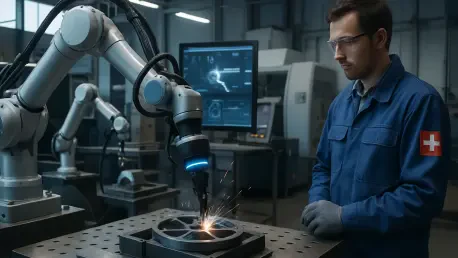
The ultimate frontier for Swiss manufacturing giants involves the implementation of Physical AI, a technology designed to bridge the sensory gap between a machine and its environment. Unlike standard automation, Physical AI can autonomously sense and respond to changing mechanical or environmental conditions before they negatively impact production. This proactive capability is particularly valuable in high-precision industries where even a slight deviation in temperature or vibration can compromise the quality of the final product. By embedding intelligence directly into the hardware, machines can now adjust their own parameters to compensate for wear or environmental shifts. This level of autonomy represents a significant leap forward from traditional reactive maintenance, as the system effectively manages its own health. Such innovations are critical for maintaining the competitive edge of Swiss industry in a global market that increasingly demands zero-defect manufacturing and maximum operational efficiency throughout every cycle.
To maximize the utility of these robotic systems, industrial leaders recently implemented the “Shift” operations platform, which integrated robot-collected data directly into existing management systems. This integration eliminated manual data bottlenecks by automatically triggering maintenance alerts when a robot detected an anomaly like a leak or overheating component. By focusing on these concrete outcomes, the sector established a new global benchmark for the successful convergence of traditional engineering and advanced digital intelligence. They prioritized the development of autonomous repair technologies that could handle infrastructure maintenance without human intervention, demonstrating that the true value of AI was found in its ability to extend asset life. These initiatives proved that the future of industry belonged to those who could effectively bridge the gap between the physical and digital worlds. The resulting framework provided a clear roadmap for nations to follow, emphasizing longevity and sustainability through 2026.