
The imperative for absolute precision in high-stakes industries has never been more critical, where a single microscopic flaw can lead to catastrophic failures in aerospace, automotive, and pharmaceutical sectors. In response to this demand, the global X-ray inspection system market is undergoing a period of unprecedented expansion, with projections indicating a significant surge from USD 1.63 billion in 2024 to USD 2.59 billion by 2032, advancing at a compound annual growth rate of 5.96%. This remarkable growth is not merely a reflection of increased demand but is fundamentally driven by a technological renaissance within the industry. Escalating safety standards and stringent quality control mandates are compelling businesses to adopt more sophisticated inspection methods to ensure both regulatory compliance and the operational integrity of their products, transforming a once-niche technology into a cornerstone of modern manufacturing.
The Technological Revolution in Quality Assurance
The Digital Radiography Transformation
The X-ray inspection landscape is experiencing a profound and decisive evolution, characterized by a large-scale migration from traditional film-based radiography to advanced digital systems. This is far more than a simple upgrade; it represents a fundamental rethinking of the inspection process itself. Digital radiography dramatically accelerates inspection workflows, providing high-resolution images in real-time and eliminating the cumbersome and time-consuming chemical processing associated with analog film. This immediacy allows manufacturers to make faster, more informed decisions directly on the production line, boosting throughput and minimizing costly downtime. Beyond speed and accuracy, the digital shift champions environmental sustainability by eradicating the need for hazardous developing chemicals and reducing waste. As industries increasingly prioritize green initiatives and operational efficiency, the superior performance, reduced environmental footprint, and long-term cost-effectiveness of digital systems have made them the undisputed standard for modern quality assurance protocols.
The Rise of Intelligent Software Integration
Building upon the foundation of digital imaging, the next wave of innovation is being powered by the integration of intelligent software and data analytics, propelling inspection systems firmly into the era of Industry 4.0. The incorporation of artificial intelligence, particularly through AI-enabled image recognition algorithms, is revolutionizing defect detection. These systems can learn to identify and classify subtle anomalies with a level of speed and consistency that surpasses human capability, drastically reducing the margin for error. Furthermore, real-time analytics and cloud-based platforms are transforming inspection devices from standalone tools into interconnected data hubs. This connectivity enables the aggregation and analysis of vast datasets, providing invaluable insights for predictive maintenance, process optimization, and supply chain visibility. By leveraging these intelligent solutions, organizations are not only enhancing their quality control measures but are also unlocking a wealth of operational data to drive strategic, forward-looking business decisions.
Evolving Operational Models and Strategic Imperatives
Portability and a New Frontier for Inspection
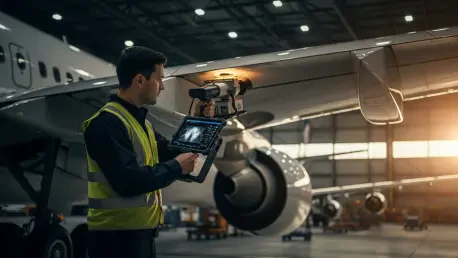
The utility of X-ray inspection is rapidly expanding beyond the confines of the traditional manufacturing floor, thanks to a significant trend toward portability and miniaturization. The development of compact, lightweight, and robust portable X-ray units is opening up new applications in field service, on-site maintenance, and remote quality checks. These mobile systems, equipped with intuitive user interfaces and advanced wireless connectivity, empower technicians to perform detailed internal diagnostics on critical assets in their operational environments, from aircraft components on the tarmac to pipeline integrity checks in the field. This capability to bring advanced inspection technology directly to the asset eliminates the need for costly and time-consuming disassembly and transport, streamlining maintenance cycles and improving asset uptime. As a result, portable X-ray inspection is becoming an indispensable tool for proactive maintenance strategies, ensuring the safety and reliability of complex systems throughout their entire lifecycle.
A Framework for Future Integrity
The strategic landscape of the X-ray inspection market underwent a significant realignment as companies moved to fortify their market positions and enhance operational resilience. A clear emphasis was placed on forming strategic alliances and collaborative partnerships to co-develop integrated, holistic solutions that addressed both stationary and portable inspection needs. This collaborative spirit fostered greater standardization across platforms, improving interoperability and efficiency throughout complex, multi-tiered supply chains. Concurrently, enterprises proactively diversified their supply chains to mitigate the risks associated with geopolitical tensions and tariff-related disruptions. These calculated moves were not merely defensive; they represented a forward-thinking strategy to reduce operational vulnerabilities, improve product outcomes, and secure a durable competitive advantage. This period established a new, more resilient framework for the industry, one where collaboration and strategic foresight became as critical as the underlying technology itself.