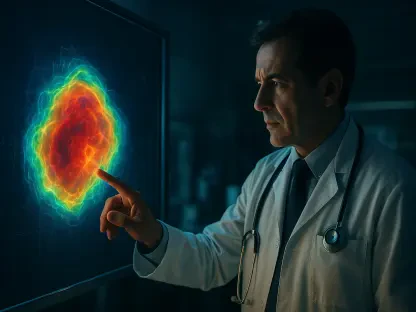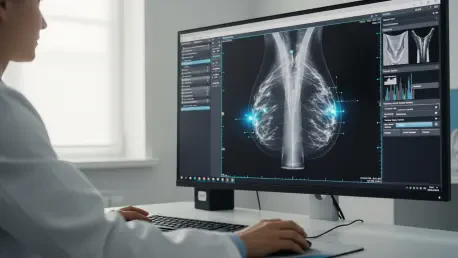

Health officials in New Zealand have recently launched an extensive clinical evaluation to determine the viability of using artificial intelligence to bolster the national breast cancer screening program. This ambitious pilot aims to integrate advanced image-recognition algorithms into the existing diagnostic pipeline, potentially transforming how radiologists interpret mammograms on a daily basis. As the demand for preventative health services continues to rise in 2026, the medical community is facing a significant shortage of specialized personnel, making the pursuit of automated assistance more of a necessity than a luxury. By deploying these digital tools, the government hopes to maintain the high standards of the BreastScreen Aotearoa initiative while simultaneously reducing the time patients must wait for their results. The trial is designed to verify whether machine learning can accurately identify malignant lesions with the same consistency as human experts, specifically within the context of the country’s unique population demographics. This strategic move ensures that technology serves as a bridge toward a more efficient and reliable public health infrastructure for everyone.
Technological Integration in National Health Infrastructure
Diagnostic Support: Enhancing Radiologist Efficiency and Accuracy
The implementation of AI software in clinical environments relies on sophisticated neural networks that have been trained on vast datasets of mammography images to recognize the earliest markers of cancer. These systems are capable of analyzing pixel-level data to detect microcalcifications and subtle architectural distortions that might be overlooked during a standard visual inspection by a fatigued human reader. In the current trial, the software functions as an intelligent assistant, flagging high-risk areas for immediate review and prioritizing urgent cases within the radiologist’s queue. This automated triaging system ensures that medical professionals can allocate their limited time to the most complex and ambiguous scans, thereby increasing the overall throughput of the screening clinics. Moreover, the technology provides a consistent baseline for diagnostic quality, as the algorithms do not suffer from the same cognitive biases or physical exhaustion that can affect human performance during long clinical shifts across various regional centers, ensuring high standards.
Workflow Evolution: Optimizing the Double-Reading Protocol
Traditionally, the national screening framework has required two independent radiologists to review every mammogram to minimize the chance of a missed diagnosis, a process that is both resource-intensive and slow. By introducing artificial intelligence into this workflow, the health system explores the possibility of replacing one of the human readers with a digital counterpart, which could effectively double the capacity of the current workforce. This transition is being carefully monitored to ensure that the sensitivity and specificity of the screenings remain at the highest possible levels without increasing the rate of false positives. Preliminary findings from the 2026-2027 period suggest that the AI can act as a reliable second set of eyes, catching anomalies that one human might miss while providing instant feedback to the primary clinician. This collaborative model between human intuition and machine precision represents a major step forward in creating a more resilient diagnostic infrastructure that can handle the growing volume of patients.
Strategic Implementation and Future Implications
Equity and Access: Addressing Demographic and Technical Variability
A significant component of the ongoing evaluation involves testing the AI’s performance across New Zealand’s diverse ethnic populations to ensure equitable health outcomes for all citizens. Researchers are particularly focused on how the software interprets scans from Māori and Pacific women, who often face different clinical risk profiles and breast density characteristics that can impact detection rates. By validating the algorithms against a representative local dataset, the health ministry aims to prevent any algorithmic bias that could lead to disparities in care. Additionally, the trial assesses the interoperability of the software with various mammography hardware brands used throughout the country, ensuring a seamless data flow between disparate hospital systems. This technical robustness is crucial for a successful nationwide rollout, as it allows for a unified diagnostic standard that is not limited by the specific equipment available at any given location. The goal is to create a flexible, scalable system that can be updated easily.
Strategic Outcomes: Long-Term Benefits for Preventative Public Health
The initial phases of this AI implementation demonstrated that a balanced approach between human expertise and machine precision offered the most viable path forward for national health services. Stakeholders moved quickly to establish a set of national standards for AI in radiology, ensuring that all future software updates underwent rigorous clinical validation before being deployed. It was recommended that health departments prioritize the training of current medical staff to work alongside these automated tools, rather than viewing them as competitors for their roles. This collaborative framework ensured that the human-in-the-loop principle remained at the heart of diagnostic care, maintaining patient confidence while reaping the benefits of increased throughput. By focusing on interoperability and ethical data management, the program provided a clear roadmap for other jurisdictions looking to optimize their cancer screening efforts. Ultimately, the integration of these systems successfully lowered the barrier to entry for high-quality diagnostics.