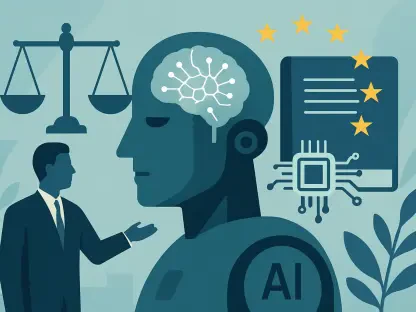
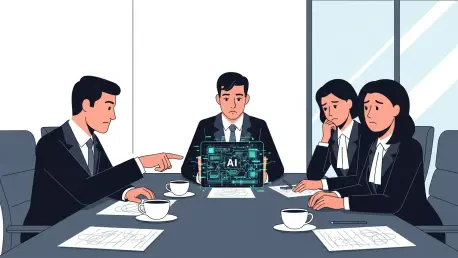
In an era where artificial intelligence promises to revolutionize every corner of professional life, the legal field finds itself grappling with a double-edged sword—unprecedented efficiency on one hand, and the potential for catastrophic errors on the other. A striking case from the Federal

Imagine walking into a Walmart store where every interaction—from personalized product recommendations to seamless checkout—is powered by artificial intelligence, yet you feel confident that your privacy is protected and the employees around you aren’t at risk of losing their jobs. This isn’t a

Imagine a world where power grids predict failures before they happen, water treatment plants optimize resources in real-time, and transportation networks adjust to disruptions instantly—all powered by artificial intelligence (AI). This isn’t a distant dream but a rapidly approaching reality as AI

Imagine a world where business systems don't just assist but think alongside you, autonomously handling complex tasks while explaining their reasoning in plain language. This isn’t a distant dream but a tangible reality unfolding in the enterprise software industry today. With rapid advancements in

Imagine a world where technology speaks your language—literally and culturally—and is built right in your backyard to serve your unique needs. That’s the reality Mexico has ushered in with the launch of I’AM Chat, the nation’s first fully homegrown conversational AI assistant. Crafted by IAMEX, a

Imagine a world where a rural clinic in a remote region diagnoses complex conditions with the precision of a top-tier urban hospital, all while fending off sophisticated cyberattacks with ease. This isn’t a far-off dream—it’s the reality being shaped by artificial intelligence (AI) innovations