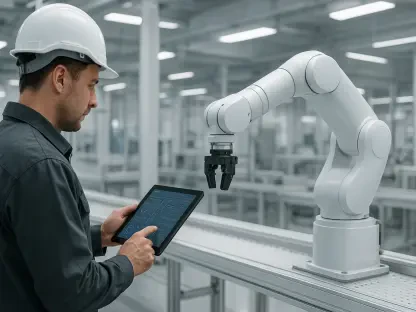

Unlike the rigid scripts of the past, modern AI agents manage variability and cross-functional coordination to bridge the gap between data silos and actionable insights. The corporate landscape in 2026 is defined by a sophisticated evolution where Robotic Process Automation (RPA) and Artificial
Harmonic Security is addressing the security gaps found in personal account usage by monitoring desktop AI tools that traditional security measures often overlook. The challenge for modern enterprises is not just stopping data leaks but fostering an environment where innovation thrives without
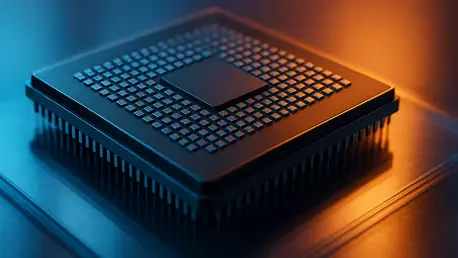
To maintain its competitive edge in the AI arms race, Amazon is negotiating a complex deal to offload the financial weight of its next-generation semiconductor chips. This strategic maneuver involves securing an $8 billion financing package specifically designed to acquire high-end Nvidia Grace
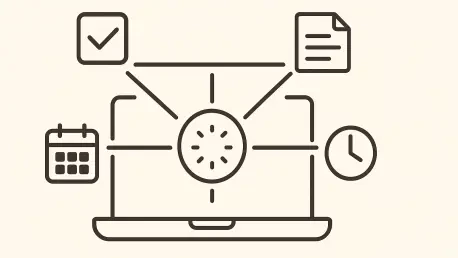
Enterprise administrators are increasingly prioritizing governability and accountability by logging every automated action under a unique agent identity. This shift is a direct response to the era of fragmented AI, where workers were forced to toggle between disconnected tools for writing code,
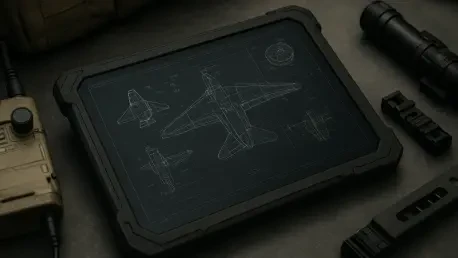
Thread AI and the US Army’s DEVCOM Armaments Center have entered a strategic Cooperative Research and Development Agreement to overhaul the processing of complex fire control data. This partnership focuses on utilizing advanced computational frameworks to manage the massive influx of technical

The race to control the digital cognitive layer has reached a fever pitch as enterprises scramble to move past experimental chatbots toward fully autonomous agents that manage complex corporate workflows. These sophisticated systems no longer simply answer queries but instead execute multi-step