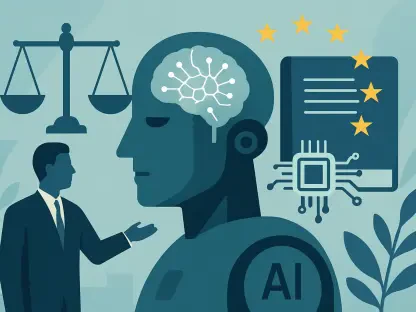

In an era where artificial intelligence promises to revolutionize every corner of professional life, the legal field finds itself grappling with a double-edged sword—unprecedented efficiency on one hand, and the potential for catastrophic errors on the other. A striking case from the Federal

Imagine walking into a Walmart store where every interaction—from personalized product recommendations to seamless checkout—is powered by artificial intelligence, yet you feel confident that your privacy is protected and the employees around you aren’t at risk of losing their jobs. This isn’t a

Imagine a world where power grids predict failures before they happen, water treatment plants optimize resources in real-time, and transportation networks adjust to disruptions instantly—all powered by artificial intelligence (AI). This isn’t a distant dream but a rapidly approaching reality as AI
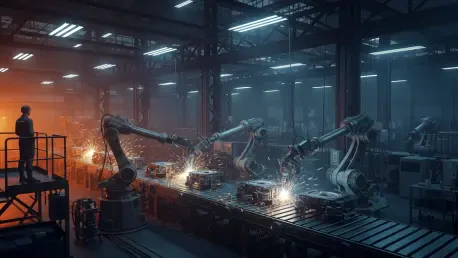
Imagine a world where artificial intelligence reshapes every industry, from healthcare to automotive, powered by chips so advanced they require precision testing to ensure flawless performance. In this rapidly evolving landscape, companies providing the backbone for AI innovation are emerging as

What if a single system could handle intricate business operations for days without human input, transforming chaos into streamlined efficiency overnight? At AWS re:Invent in Las Vegas, this scenario unfolded as a reality with the unveiling of frontier AI agents. These aren’t mere chatbots spitting

Imagine a world where artificial intelligence doesn’t just rely on raw power but on strategic brilliance, orchestrating a network of specialized tools to solve the most complex problems with finesse. That’s the reality Nvidia has brought to life with Orchestrator, an innovative framework crafted in