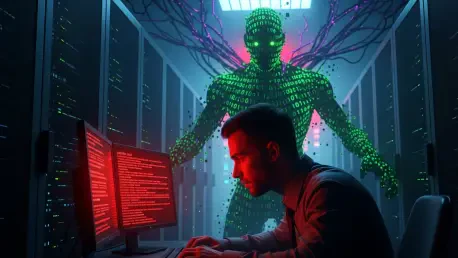
While artificial intelligence promises unprecedented innovation and efficiency, its dual-use nature has simultaneously turned it into a formidable weapon for cybercriminals, creating an entirely new generation of sophisticated threats that most organizations are dangerously unprepared to face. The

In an era where artificial intelligence is rapidly permeating every facet of professional life, the creative industries stand at a particularly charged crossroads, grappling with a question that strikes at the heart of human identity: can a machine truly be creative? This very question formed the
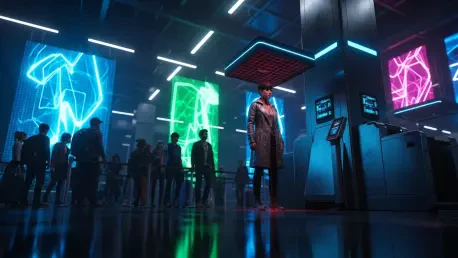
The familiar shuffle through airport security, a frustrating ritual of fumbling for passports and boarding passes while navigating winding queues, may soon become a relic of the past. Orlando International Airport (MCO), a bustling hub for over 56 million annual travelers, is at the forefront of
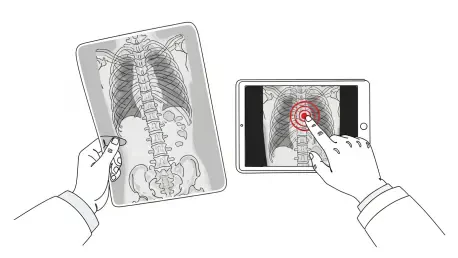
When a figure as central to the artificial intelligence revolution as Nvidia's CEO Jensen Huang comments on diagnostic radiology, the medical community takes notice, particularly when those comments touch upon the long-standing debate of AI as a replacement versus a tool. In a recent discussion, he

In the current digital landscape, the responsibilities placed upon corporate directors have expanded into complex and often uncharted territories, demanding a new level of vigilance and technological literacy. The foundational principles of directorial duties, long established in case law, are now

The world is in the midst of a silent revolution, one carried not by banners and broadcasts but by algorithms and audio files, as artificial intelligence begins to master one of the most fundamental human traits: our voice. This rapid shift from human speech to synthetic, algorithm-generated