
Central question and scope: genuine care, covert surveillance, or a contested middle ground? In a moment when employers promise compassion at scale, the rise of AI that listens, counsels, and infers feelings poses a stark question that refuses to go away: does this technology genuinely care for

I’m thrilled to sit down with Laurent Giraid, a trailblazing technologist whose expertise in artificial intelligence, machine learning, and natural language processing is reshaping the world of sports. With a keen focus on ethical AI applications, Laurent has been at the forefront of integrating

The economy is marching into an AI-shaped future in which algorithms touch workflows, infrastructure, and trust at once, and the scale of change has already altered how companies build, hire, and secure themselves against new threats. AI has shifted from niche experiment to general-purpose
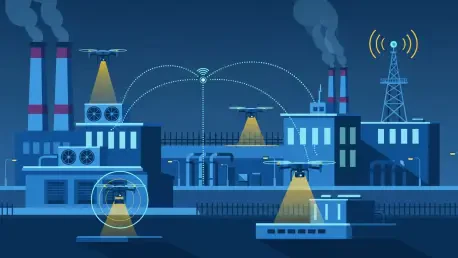
When a wildfire jumps a ridge and smoke blinds cameras, a drone that learns in place can turn chaos into usable signal before networks choke on raw video and teams lose the minutes that save homes and lives. That urgency framed a new effort at The University of Alabama in Huntsville, where

The sheer pace of augmented reality news in recent months compressed years of iteration into weeks and signaled that accessories once treated as novelties had crossed into credible daily tools for navigation, communication, media, and shopping. Late in the year, six developments stood out: stealth

Facial recognition now stands at a crossroads where effortless convenience, public safety ambitions, and intensifying civil liberties concerns collide in real-world deployments, not theoretical debates, and that tension is reshaping how democracies and authoritarian states write the rules. Airports