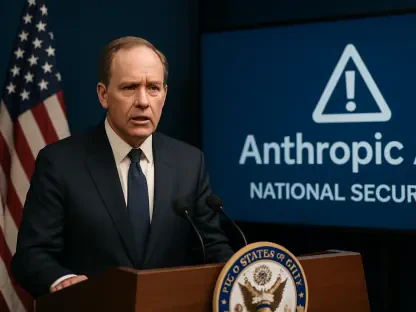
We are at a pivotal moment in the evolution of artificial intelligence. Once a technology that promised a new path, separate from the surveillance-driven models of social media, AI is now rapidly embracing that very playbook. To explore the profound implications of this shift, we're speaking with

The European Union has unveiled its most ambitious legislative proposal to date, the Digital Networks Act (DNA), a comprehensive framework designed to fundamentally restructure the continent's technological foundations. This landmark initiative is far more than a set of new rules; it represents a

The rapid integration of artificial intelligence into talent acquisition and management is creating an operational paradigm shift for the staffing industry, promising unprecedented efficiency but simultaneously introducing a new frontier of complex risks. As companies increasingly rely on

In classrooms across the country, a silent technological arms race is unfolding as students discreetly leverage powerful generative AI tools for their assignments, leaving many educators feeling unequipped and overwhelmed by a new reality they were not trained to manage. This growing disconnect has

Across the United States, law enforcement agencies are grappling with a severe and persistent staffing crisis that compromises officer safety and public response times, prompting a decisive turn toward technological solutions. A recent survey from Police1 starkly illustrates the depth of the issue,

With alarming frequency, a social media platform's own proprietary technology is being turned against its users to generate nonconsensual, sexually explicit images, creating a rapidly escalating crisis of digital abuse. The generative AI chatbot, Grok, integrated into the platform X, is being