
The rapid proliferation of autonomous agentic workflows within the modern enterprise landscape has created a significant identity management vacuum that threatens to undermine years of progress in digital security. As organizations aggressively deploy these AI entities to automate complex business

Unlike the rigid scripts of the past, modern AI agents manage variability and cross-functional coordination to bridge the gap between data silos and actionable insights. The corporate landscape in 2026 is defined by a sophisticated evolution where Robotic Process Automation (RPA) and Artificial

Manufacturing plants rely on traditional control algorithms for hardware safety, but these systems cannot interpret complex sensor logs or schedule their own technicians. This fundamental limitation highlights the gap between deterministic automation and the cognitive requirements of the modern

Enterprise administrators are increasingly prioritizing governability and accountability by logging every automated action under a unique agent identity. This shift is a direct response to the era of fragmented AI, where workers were forced to toggle between disconnected tools for writing code,

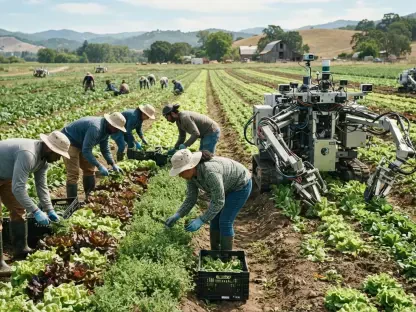
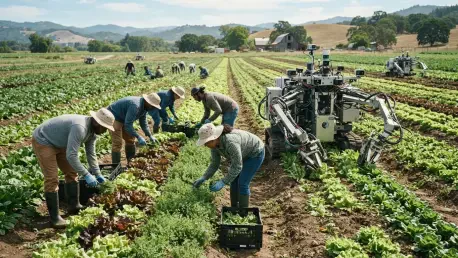
While standard deep-learning models often lose fine-scale information, a specialized small-target detection branch allows robots to identify fruit from much greater distances. This breakthrough is particularly significant as the global agricultural sector in 2026 continues to struggle with an

The widespread transition from static, reactive productivity software to dynamic, agentic digital ecosystems marks the most significant architectural overhaul of the modern corporate environment since the widespread adoption of cloud computing. This shift is currently epitomized by the arrival of
1 2 3 4 5 6 7 8 9 10 11 12 13 14 15 16 17 18 19 20 21 22 23 24 25 26 27 28 29 30 31 32 33 34 35 36 37 38 39 40 41 42