
The diagnosis of genetic epilepsy has historically relied on the serendipitous capture of seizure activity during an electroencephalogram, a process that often leaves patients waiting months for a definitive answer while undergoing repeated and exhausting testing cycles. However, recent breakthroughs in deep learning have fundamentally shifted this paradigm by enabling the identification of subtle neurophysiological signatures that exist even during seizure-free periods. By training sophisticated neural networks on massive datasets of brainwave recordings, researchers have successfully isolated specific patterns that distinguish genetic forms of epilepsy from non-genetic types. This advancement means that a standard, thirty-minute routine EEG, previously considered “normal” by human eyes when no seizure occurred, can now yield critical diagnostic data. This shift from reactive monitoring to proactive detection represents a monumental leap in neurological care, offering a path toward precision medicine that begins at the very first point of clinical contact.
The Role of Artificial Intelligence: Enhancing Diagnostic Accuracy
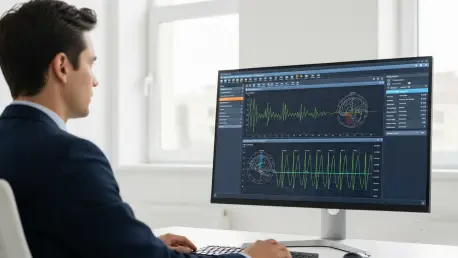
Modern diagnostic tools utilize convolutional neural networks to scan through thousands of hours of EEG data, identifying micro-patterns that are invisible to even the most experienced neurologists. These algorithms do not simply look for the sharp spikes or waves associated with active seizures; instead, they analyze the underlying rhythmic structure and connectivity of the brain in its resting state. By examining the subtle variances in frequency and amplitude across different regions of the cortex, the AI can pinpoint biomarkers indicative of specific genetic mutations. This capability is particularly transformative for pediatric cases, where early intervention can significantly alter developmental outcomes. The software functions by decomposing the EEG signal into various components, then recomposing them to highlight anomalies that correlate with known genetic markers. As these models become more refined through 2026 and 2027, the accuracy of these non-invasive tests continues to improve.
The efficacy of these AI systems stems from the vast repositories of longitudinal data used during the initial training phases, which include thousands of confirmed genetic epilepsy cases. By comparing these against control groups of healthy individuals and those with acquired epilepsy, the system learns to filter out noise and focus on high-fidelity indicators of genetic predisposition. This iterative learning process allows the machine to recognize “interictal” signatures—brain activity occurring between seizures—that serve as a persistent fingerprint of the disorder. Clinicians now have access to a probability score that reflects the likelihood of a genetic origin, providing a data-driven foundation for selecting targeted therapies from the outset. Furthermore, the integration of this technology into standard hospital workflows has streamlined the triage process, ensuring that high-risk patients receive specialized attention much earlier than was possible in previous years. The result is a more efficient diagnostic pipeline that minimizes the psychological burden on families who previously faced uncertainty.
Strategic Directions: Advancing Neurological Precision and Care
The implementation of AI-enhanced EEG analysis established a new standard of care that moved beyond the limitations of human observation and traditional diagnostic criteria. Healthcare providers began integrating these automated screening tools into routine clinical practice, which allowed for the rapid identification of high-risk patients who required immediate genetic confirmation and specialized intervention. This shift encouraged a collaborative environment where data scientists and clinicians worked together to continuously update the algorithms based on real-world feedback and emerging genetic discoveries. Future efforts focused on expanding these models to include diverse populations, ensuring that the biomarkers identified remained accurate across different age groups and ethnicities. Research initiatives also began exploring the use of wearable EEG devices to monitor these markers in home settings, providing a continuous stream of data for refining treatment efficacy and improving long-term outcomes for patients.