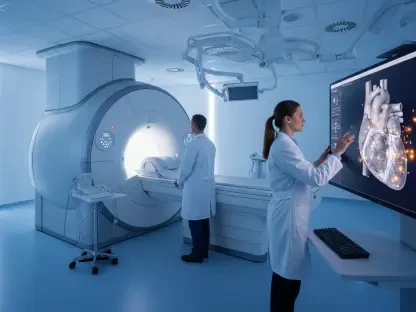

A groundbreaking prospective study launched by South Australian health-tech innovator Addend AI is poised to transform the detection of osteoporosis by using artificial intelligence to analyze standard chest X-rays, turning a routine diagnostic tool into a powerful instrument for preventative health. This initiative represents a significant leap forward in shifting the healthcare paradigm from reactive treatment following a debilitating fracture to proactive, early-stage intervention. The central ambition of this project is to leverage existing radiology workflows to screen for diseases much earlier than current methods allow, a strategy with the potential to dramatically improve patient outcomes, reduce costly hospital admissions, and alleviate the immense financial pressure on the global healthcare system. By embedding intelligent analysis within everyday medical procedures, the study aims to catch the silent progression of bone density loss before it leads to severe health consequences, offering a new frontier in population-wide health screening and preventative medicine.
A Proactive Approach to a Silent Disease
Leveraging Existing Medical Imaging
The core innovation of this study lies in its ability to harness the vast and underutilized data present in routine chest radiographs. Millions of these X-rays are performed annually for a wide array of reasons, from assessing respiratory conditions to pre-operative checks, yet the information they contain about bone health has historically been overlooked. The AI solution developed by Addend AI is designed to integrate seamlessly into the standard Picture Archiving and Communication System (PACS) that radiologists use daily. This allows the algorithm to automatically analyze every relevant chest X-ray for subtle indicators of low bone mineral density, essentially adding a critical, opportunistic screening layer without requiring patients to undergo separate, specialized scans like a DXA test. This approach is exceptionally cost-effective and efficient, as it requires no new equipment, no additional radiation exposure for the patient, and no significant changes to established clinical procedures, making it a highly scalable solution for widespread deployment.
This non-disruptive integration is fundamental to the technology’s potential for rapid adoption and its role as a supportive tool for medical professionals. The AI is not intended to replace the expertise of a radiologist but rather to augment it, acting as a vigilant assistant that flags potential cases of osteopenia or osteoporosis for further review. By automating the initial screening process, it reduces the observational burden on clinicians and ensures that signs of bone density loss are not missed during examinations focused on other pathologies. This collaborative human-AI model enhances diagnostic accuracy and efficiency, allowing healthcare providers to initiate conversations about bone health with at-risk patients far earlier. Consequently, this approach empowers radiologists to play a more central role in preventative care, transforming a standard diagnostic imaging session into a comprehensive health assessment that can profoundly impact a patient’s long-term well-being and quality of life.
Targeting a Global Healthcare Challenge
The economic burden of osteoporosis-related fractures on healthcare systems worldwide is staggering, driven primarily by the high costs associated with emergency care, surgery, hospitalization, and long-term rehabilitation. A significant portion of these expenses stems from the reactive nature of current treatment models, which typically address the disease only after a fragility fracture has occurred. Addend AI’s technology directly confronts this issue by enabling early detection, which is the cornerstone of effective and less expensive preventative care. Identifying individuals at risk allows for timely interventions such as dietary changes, exercise regimens, and pharmacological treatments that can strengthen bones and prevent future fractures. This proactive strategy promises substantial cost savings for healthcare providers and insurers by reducing the incidence of severe, high-cost medical events and shifting the financial focus from expensive, late-stage interventions to more affordable, preventative wellness programs.
For older Australians, who represent the demographic most vulnerable to osteoporosis, the benefits of this innovation are particularly profound. Early identification of diminishing bone density can fundamentally alter an individual’s health trajectory, empowering them to take preventative measures that preserve mobility, independence, and overall quality of life. Living with the fear of a fall and a subsequent debilitating fracture can severely limit social engagement and physical activity, leading to a decline in both mental and physical health. By providing a clear and early warning, this AI-powered screening tool allows for the implementation of personalized health strategies that enable people to remain active and healthy for longer. This not only translates to more years of high-quality life for individuals but also fosters a healthier, more resilient aging population, which is a critical goal for national health services facing the demographic shifts of the coming decades.
The Collaborative Effort Behind the Innovation
A Partnership for Progress
The successful launch and execution of this ambitious prospective study were made possible by a robust collaborative network of leading institutions. This synergistic partnership brought together the technological expertise of Addend AI, the academic and research prowess of Flinders University, and the dedicated advocacy of the Bone Health Foundation. Furthermore, the involvement of multiple radiology practices and the crucial support from the South Australian Department of State Development provided the clinical and governmental backing necessary for a project of this scale. This multifaceted coalition ensures that the initiative is grounded in scientific rigor, clinical relevance, and a shared commitment to public health. Each partner contributes a unique and essential component, from validating the AI’s accuracy to facilitating its integration into real-world clinical settings and promoting awareness of the importance of bone health, creating a comprehensive ecosystem for innovation.
To validate the technology and gather crucial real-world data, Addend AI has extended an open invitation for participation in the trial. This call to action is directed at two key groups: radiology service providers who are interested in pioneering the future of diagnostic imaging and individuals aged 50 and over who have recently undergone a chest X-ray. By engaging directly with both clinicians and the public, the study aims to build a comprehensive dataset that will refine the algorithm and demonstrate its clinical utility on a large scale. This inclusive approach is vital for ensuring the technology meets the practical needs of healthcare professionals and delivers tangible benefits to patients. The trial represents a critical phase in the technology’s development, moving it from a conceptual model to a proven clinical tool ready for broader implementation across the healthcare landscape.
A New Standard in Preventative Care
The study successfully demonstrated that integrating AI-driven analysis into routine radiological examinations could establish a new standard for preventative medicine. This project not only highlighted the technological capability to detect early signs of osteoporosis but also solidified South Australia’s reputation as a global leader in the responsible and effective adoption of artificial intelligence within the healthcare sector. The initiative served as a powerful case study, showcasing how strategic collaborations between tech innovators, academic institutions, and government bodies can accelerate the translation of cutting-edge research into practical solutions that address pressing public health challenges. The outcomes provided a clear blueprint for how other regions could leverage existing medical infrastructure to deploy opportunistic screening programs for a variety of conditions, thereby maximizing the value derived from every diagnostic procedure performed.
Ultimately, the successful deployment of this AI solution did more than just improve the early detection of a single disease; it unlocked the latent potential within millions of medical images that are captured every day. The insights gained from analyzing chest X-rays for bone density paved the way for developing similar algorithms to screen for other conditions, such as cardiovascular disease or certain types of lung disorders, from the same scans. This created a paradigm where a single, low-cost imaging test could yield a wealth of information, transforming it into a multifaceted health assessment tool. The project’s legacy was the profound realization that a proactive, data-driven approach to healthcare could significantly enhance patient outcomes and create a more efficient, sustainable, and forward-thinking medical system for future generations.