
The modern global supply chain faces an unprecedented level of volatility that traditional forecasting models can no longer navigate with the precision required for large-scale food production. The Hershey Company has recognized this reality by initiating a comprehensive strategic shift that moves artificial intelligence from a peripheral analytical tool to the very core of its physical business operations. This transition marks a significant departure from experimental software pilots toward a unified, data-driven framework where every decision, from raw material procurement to retail delivery, is informed by real-time intelligence. By embedding advanced algorithms into the day-to-day execution of its business, the organization is effectively bridging the gap between digital strategy and tangible manufacturing outcomes. This evolution is not merely about incremental improvements in efficiency; it represents a fundamental redesign of how a global confectionery leader manages the complexities of a modern market characterized by rapid shifts in consumer behavior and unpredictable environmental factors.
A primary theme of this strategic overhaul is the implementation of AI-enabled decision-making, which serves as a vital bridge between massive data collection and immediate operational action. In the volatile world of commodity sourcing, essential ingredients like cocoa and sugar are frequently subject to price fluctuations caused by extreme weather patterns, geopolitical trade disruptions, and shifting supply dynamics. Hershey is now applying sophisticated sourcing analytics to navigate these risks, allowing the company to make more precise purchasing decisions that safeguard production schedules even when external conditions are unstable. This proactive approach to risk management ensures that factories remain productive and that the cost of goods remains manageable despite the inherent instability of global agricultural markets. By leveraging predictive models, the procurement teams can anticipate shortages or price spikes before they manifest, providing a level of agility that was previously unattainable through manual analysis or traditional planning software.
Navigating Commodity Volatility Through Predictive Sourcing
The application of artificial intelligence in sourcing extends far beyond simple price tracking to encompass a holistic view of the entire global supply network. By integrating disparate data points—ranging from satellite weather imagery affecting West African cocoa farms to shipping lane congestion metrics—Hershey can create a digital twin of its supply environment. This allows the organization to simulate various scenarios and develop contingency plans that are executed automatically when certain triggers are met. For instance, if a projected drought in a key growing region threatens to reduce yields, the AI system can suggest alternative suppliers or adjust procurement volumes in real time to mitigate the impact. This level of granularity in sourcing analytics transforms the procurement department from a reactive administrative unit into a strategic nerve center that actively protects the company’s bottom line while ensuring a consistent supply of high-quality ingredients for its diverse product portfolio.
Furthermore, this data-centric approach facilitates a deeper level of transparency and sustainability within the supply chain, which is increasingly vital in a market where consumers demand ethical sourcing. The AI systems can track the provenance of raw materials with greater accuracy, ensuring that every ton of cocoa or sugar meets the company’s rigorous environmental and social standards. By automating the verification process, Hershey can more effectively manage the complex documentation required for international trade and sustainability certifications. This integration of ethical considerations into the core procurement logic demonstrates how technology can align corporate social responsibility with operational efficiency. As the company moves toward a more resilient sourcing model, the focus remains on creating a system that is not only cost-effective but also capable of adapting to the long-term challenges of climate change and evolving global trade regulations without compromising production targets.
Optimizing Manufacturing and Fulfillment Execution
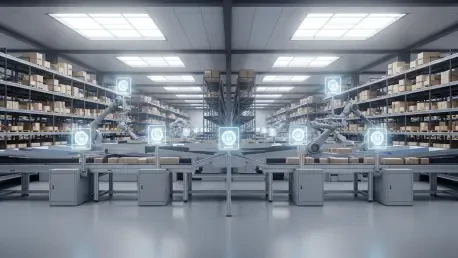
The transformation extends deeply into the physical realm of manufacturing and fulfillment, where Hershey is increasing plant automation to drive unprecedented levels of efficiency. Rather than functioning as an isolated digital layer, the AI is designed to be an integral part of the production process, guiding daily planning and supporting real-time execution on the factory floor. By utilizing machine learning algorithms to monitor equipment health and optimize line speeds, the company can reduce downtime and minimize product waste. These tools allow plant managers to synchronize production schedules with actual demand signals from retailers, ensuring that the right products are manufactured at the right time. This move toward “smart manufacturing” reduces the reliance on static production plans that often fail to account for the dynamic nature of consumer needs. Consequently, the factories become more responsive, capable of shifting between different product formats with minimal changeover time and maximum resource utilization.
On the fulfillment side of the business, the company is focusing on automated systems to manage custom assortments and improve overall speed to market. This is particularly crucial in the confectionery industry, where seasonal trends and promotional events drive significant fluctuations in demand. The integration of AI into logistics allows for the optimization of warehouse operations, from picking and packing to the final distribution stages. By predicting which regional hubs will require specific product mixes, Hershey can pre-position inventory closer to the end consumer, significantly reducing lead times and transportation costs. These automated fulfillment tools are intended to maintain optimal inventory levels across the network, preventing both stockouts and overstock situations that can erode profitability. This comprehensive approach to logistics ensures that the company can meet the high service level expectations of modern retailers who demand timely and accurate deliveries regardless of the complexity of the order or the volatility of the market.
Harmonizing the Workforce Through Technological Connectivity
A notable aspect of this strategy is the emphasis on worker connectivity, suggesting that the vision is not merely about replacing human labor with machines but rather about using technology to better coordinate the workforce. By connecting data points across the supply chain, the company intends to build a more resilient and responsive operation that harmonizes different segments of the business. Front-line workers are equipped with digital tools that provide real-time insights into production performance and maintenance needs, allowing them to make more informed decisions on the spot. This connectivity fosters a culture of collaboration where information flows seamlessly between the corporate office and the manufacturing floor. When employees are empowered with actionable data, they can identify and resolve bottlenecks more quickly, contributing to a more agile organizational structure. This focus on the “human-in-the-loop” model ensures that the implementation of AI enhances the capabilities of the workforce rather than sidelining them in favor of full automation.
This integrated approach also plays a critical role in talent retention and development by modernizing the nature of industrial work. As the company adopts more sophisticated technologies, the roles of factory and warehouse employees evolve to focus more on problem-solving and system management. Hershey’s commitment to worker connectivity involves providing the training and infrastructure necessary for the workforce to thrive in a digital-first environment. By reducing the burden of repetitive manual tasks through automation and providing clear, data-driven guidance for complex operations, the company creates a more engaging and productive work environment. This synergy between human expertise and machine intelligence is the foundation of a modern supply chain that can react quickly to sudden market changes or seasonal surges. Ultimately, the goal is to create a unified ecosystem where technology and people work in tandem to drive growth and maintain a competitive advantage in an increasingly complex global marketplace.
Actionable Strategies for a Resilient Operational Future
To successfully navigate the complexities of this transition, it is essential to prioritize the integration of disparate data silos into a single, cohesive intelligence layer. Organizations should move away from fragmented software solutions and instead invest in platforms that allow for a horizontal flow of information across procurement, manufacturing, and logistics. By establishing a “single source of truth,” decision-makers can ensure that an adjustment in one part of the supply chain—such as a change in raw material availability—is immediately reflected in production schedules and distribution plans. This level of synchronization is the hallmark of a truly AI-driven operation and is necessary for maintaining agility in an environment where delays or miscommunications can result in significant financial losses. Managers must focus on building a robust data infrastructure that is capable of processing high-velocity information streams and translating them into clear, actionable insights for every level of the organization.
The shift toward an AI-driven supply chain also requires a proactive approach to workforce reskilling and organizational change management. Leaders should identify the specific skills gaps created by new technologies and develop comprehensive training programs that empower employees to work effectively alongside automated systems. This involves not only technical training but also fostering a mindset of continuous improvement and data literacy throughout the company. As the distinction between digital intelligence and physical operations becomes increasingly blurred, the ability of the workforce to interpret and act upon AI-generated recommendations will be a primary driver of success. The focus should be on creating a feedback loop where human experience informs the refinement of the algorithms, leading to more accurate and relevant outcomes over time. By treating technology as a partner rather than a replacement, companies can build a more resilient, efficient, and forward-looking operational framework that is well-equipped to handle the challenges of the coming years.