
The creative industry is currently undergoing a structural transformation that transcends the typical adoption of new software, marking a definitive shift in how human ingenuity interacts with machine intelligence on a fundamental level. For years, professionals in design, advertising, and digital media have struggled to balance the demand for high-quality output with increasingly aggressive deadlines and the persistent friction inherent in team collaboration. However, recent developments in generative and analytical technologies indicate that Artificial Intelligence has moved from a niche experimental tool to a foundational element of daily operations within the world’s leading creative agencies. This evolution is not merely about replacing human effort with automated scripts; it represents a deep reassessment of how creative experts allocate their precious time and mental energy toward solving complex visual and narrative problems. By 2026, the integration of these systems has become so seamless that the distinction between technical execution and conceptual development is being rewritten in real-time by teams across the globe.
Shifting From Technical Execution to Strategic Direction
Maximizing Human Talent: The Power of Intelligent Automation
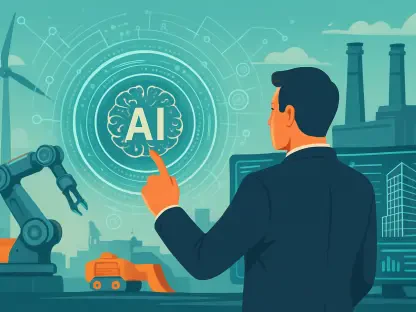
A major theme in the modern creative landscape is the liberation of professionals from mechanical tasks that previously consumed the vast majority of their daily schedules. For decades, designers, writers, and video editors spent countless hours on repetitive labor such as resizing assets for dozens of different social media platforms, manually formatting long-form content for various digital devices, or managing complex technical exports for localized markets. While these tasks require a degree of technical proficiency, they do not utilize the high-level creative thinking or the strategic problem-solving abilities that define a true creative professional in today’s market. By automating this busy work, intelligent systems allow creators to reclaim their cognitive bandwidth, shifting their primary focus toward high-stakes decisions and original concepts that resonate with audiences. This movement signifies a transition where the practitioner acts more like an architect than a manual laborer, directing the tools to build the structures they have envisioned.
The current environment encourages a radical rethinking of the production ceiling, allowing small boutique teams to achieve results that previously required the vast resources and headcount of large-scale multinational agencies. Statistics recorded by the beginning of 2026 indicate that nearly 87% of creators now incorporate some form of generative technology into their regular workflows, with a significant majority utilizing these tools on a daily basis to maintain a competitive edge. The industry consensus suggests that these systems are most effective when they absorb repetitive functions such as initial script drafting, automated image manipulation, and content localization. This allows for a more democratic creative field where the quality of the idea matters more than the size of the production budget or the number of technicians on payroll. As these tools continue to refine their output, the gap between conceptualization and realization narrows, enabling a faster pace of innovation that was once considered impossible in a traditional studio setting.
Redefining Expertise: The Transition to Creative Oversight
As technical barriers continue to lower, the definition of expertise within the creative sector is shifting away from software mastery and toward strategic vision and curation. In the past, a significant portion of a professional’s value was tied to their ability to navigate complex digital suites or perform intricate manual edits that took years to learn. In the current year, the emphasis has moved to the ability to direct sophisticated systems to achieve a specific brand voice or aesthetic goal. Professionals are now expected to possess a deep understanding of design principles and narrative structures so they can effectively judge and refine the outputs generated by automated systems. This change necessitates a new set of skills centered on prompt engineering and algorithmic guidance, where the human touch is the final arbiter of quality and relevance. The goal is no longer just to produce an image or a block of text, but to ensure that every piece of content aligns perfectly with a broader business strategy and emotional objective.
This transition naturally leads to a more agile workforce that can pivot between different media types without needing to relearn basic technical foundations for every new project. A designer might spend the morning overseeing the generation of a series of complex 3D environments and the afternoon refining a localized ad campaign, all while maintaining a consistent level of quality that was previously unattainable. The ability to handle multiple aspects of a project through a unified technological interface means that creative directors can maintain a more holistic view of their work. This prevents the compartmentalization that often leads to inconsistent branding or disjointed storytelling. By focusing on the “big picture,” these professionals are able to provide greater value to their clients, offering insights that go beyond simple execution. This systemic approach to creativity ensures that the final product is not just a collection of assets, but a cohesive and strategic response to a specific market challenge or consumer need.
Solving the Coordination Crisis through Integration
Building Unified Creative Environments: Ending Tool Fragmentation
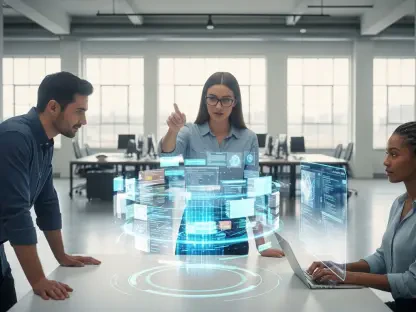
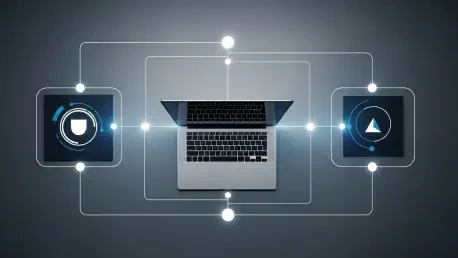
Beyond individual output, the integration of intelligent systems addresses the coordination tax that has long hindered the collective productivity of large creative teams. The primary obstacle to efficiency in most agencies is frequently not a lack of talent or original ideas, but rather the friction found in fragmented workflows that span across dozens of disconnected applications. Most teams currently operate in a scattered stack of separate tools for messaging, task management, asset storage, and creative editing, leading to a constant loss of momentum. Every transition between these disparate applications represents a potential point of failure where vital information can be siloed or critical feedback can be lost in the noise of digital notifications. To combat this, the industry is rapidly moving toward unified environments that synthesize these functions into a single, cohesive flow that allows for real-time collaboration without the need to switch contexts or manually move files between platforms.
Modern platforms are now successfully integrating communication channels and project management layers directly with no-code agent builders, allowing teams to create automated bridges between tasks without needing advanced programming skills. The true value of these systems in this context is their role as the connective tissue of a project, managing routine handoffs and ensuring that creative energy is not wasted on administrative navigation or file searching. When a design is updated, the system can automatically notify relevant stakeholders, generate the necessary variations for review, and update the project timeline without a single manual entry from a human manager. This level of automation reduces the cognitive load on the team, allowing them to remain in a state of flow for longer periods. By removing the technical hurdles associated with coordination, agencies can focus on the collaborative process of refining ideas, leading to a more harmonious environment where the technology works for the team rather than the other way around.
Enhancing Team Velocity: Real-Time Feedback and Iteration
The ability to maintain high velocity in a project is often determined by how quickly a team can process feedback and implement changes across multiple deliverables simultaneously. In traditional workflows, a single round of revisions could take days as changes were manually applied to various assets and then re-uploaded for further review. In 2026, integrated systems allow for near-instantaneous iteration where a change to a core concept or brand asset can be propagated across an entire campaign in a matter of seconds. This speed allows for a much more dynamic and responsive creative process, where teams can test multiple directions and gather data on their effectiveness before committing to a final path. The friction of the revision cycle is largely eliminated, making the creative process feel less like a series of discrete hurdles and more like a continuous, evolving conversation between the creators, the client, and the supporting technology.
Furthermore, these unified environments provide a centralized source of truth for every project, ensuring that everyone from the junior designer to the senior stakeholder is looking at the most current version of the work. This transparency eliminates the common errors associated with version control and miscommunication that often plague large-scale creative endeavors. With a clear view of the project’s progress and immediate access to all necessary resources, teams can operate with a higher degree of autonomy and confidence. The system handles the background tasks of organization and notification, which empowers the human participants to engage more deeply with the creative challenges at hand. This shift toward a more integrated and automated infrastructure is not just a convenience; it is a fundamental requirement for any organization that wishes to remain relevant in a fast-paced digital economy where speed and quality are equally prioritized by clients and consumers alike.
The Evolution of Augmented Creativity and Human Oversight
Balancing Machine Iteration: The New Role of Professional Taste
Despite early fears regarding human redundancy, current data suggests a collaborative reality where nearly 70% of creative teams now view machine intelligence as an enhancer rather than a threat to their livelihoods. This model of augmented creativity allows the human professional to maintain total control over the artistic direction and the specific brand voice while the machine handles the heavy lifting of rapid iteration and prototyping. In digital design and cinematography, for example, these systems can prototype dozens of visual variations in mere minutes, providing a massive palette of options for the professional to refine and perfect. This acceleration of the brainstorming phase does not replace the designer’s taste—the essential ability to discern what is emotionally effective versus what is merely functional—but it provides a much broader range of possibilities to explore before settling on a final solution.
This systemic shift has also given rise to entirely new professional roles, such as the AI Creative Director, who focuses on high-level oversight and prompt engineering rather than manual production of individual assets. Competitive advantage in the modern market no longer rests solely on having the most skilled manual laborers, but on having the most efficient workflow design and the ability to map internal processes to automated touchpoints. Organizations that adopt this systems-based approach can handle massive production volumes with a leaner staff, leaving behind competitors who treat new technologies as a sporadic experiment rather than a core infrastructure. The human element remains the most critical component of this equation, as the machine lacks the cultural context and emotional depth required to create truly groundbreaking work. The professional’s job has evolved into a role of curation and refinement, ensuring that the machine’s output meets the high standards of the brand and the nuanced expectations of the target audience.
Strategic Integration for Future Growth
The transition toward highly integrated and automated creative workflows was successfully navigated by those who prioritized organizational agility and the continuous development of human talent. Successful teams realized that the implementation of new systems was not a one-time event, but an ongoing process of refining how people and machines work together to solve complex problems. Moving forward, the focus should remain on identifying the specific bottlenecks in the creative process where human energy was previously wasted on low-value tasks. By delegating these burdens to intelligent systems, creative professionals allowed themselves to return to the core of their craft: storytelling, strategic thinking, and emotional connection. The most effective organizations were those that treated their workflow as a living product, constantly iterating on their internal systems to ensure they supported the creative vision rather than hindering it.
As the industry moved beyond the initial disruption of these technologies, the emphasis shifted toward maintaining brand integrity and ethical standards in an era of rapid content generation. Leaders in the field established clear guidelines for how automated tools should be used, ensuring that every output was vetted for quality and originality. This proactive approach helped to build trust with clients and audiences, proving that machine-assisted work could be just as meaningful and impactful as traditional methods. The long-term success of any creative enterprise now depends on its ability to foster a culture of curiosity and adaptability, where team members are encouraged to explore new tools while remaining grounded in the timeless principles of good design. By embracing this balance, the creative sector was able to reach new heights of productivity and innovation, ultimately proving that the synergy between human and machine is the most powerful tool in the modern creative arsenal.