
The silent, meticulous atmosphere of a historic Parisian atelier is increasingly shared with the low hum of high-performance liquid-cooled servers processing millions of visual data points to predict the next seasonal shift. Luxury fashion, once defined solely by the physical touch of a master tailor, now finds itself at a crossroads where heritage craftsmanship meets the raw power of artificial intelligence. This integration is not merely about replacing human creativity but rather about augmenting the visionary capabilities of designers who must navigate an increasingly complex global market. As algorithms begin to suggest color palettes based on real-time cultural sentiment and social shifts, the role of the creative director is evolving into that of a high-tech curator. The tension between the soul of handmade goods and the efficiency of machine-generated iterations creates a new dynamic that is redefining the very concept of luxury in the current competitive landscape. This shift represents a fundamental change in how high-end goods are conceived and delivered to a discerning global clientele.
Harmonizing Heritage With Machine Intelligence
Part 1: Algorithmic Artistry and Generative Design
Generative adversarial networks have progressed to a stage where they can synthesize thousands of unique silhouettes based on a brand’s historical archive, allowing designers to explore variations that would have taken months to sketch manually. By feeding decades of runway imagery into specialized models, luxury houses are uncovering forgotten motifs and reinterpreting them through a contemporary lens that resonates with current aesthetics. This computational approach does not dictate the final garment but serves as a profound catalyst for human inspiration, providing a starting point that is already grounded in the brand’s visual DNA. Designers are now utilizing these tools to experiment with complex geometric structures and avant-garde drapes that were previously considered too technically difficult to conceptualize in the early stages. The result is a fusion of classic elegance and futuristic geometry that maintains the exclusivity of the label while pushing the boundaries of what is possible in textile construction and conceptual fashion design today.
Part 2: Digital Craftsmanship and Synthetic Textiles
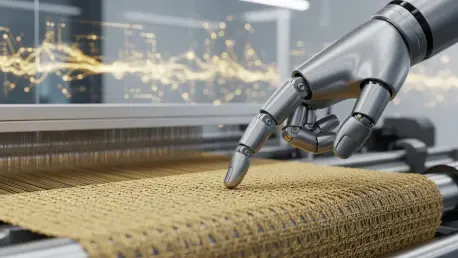
Moving beyond mere visual ideation, the application of artificial intelligence in fabric development has revolutionized how luxury brands approach texture and durability. Advanced machine learning models are now capable of simulating the physical properties of rare fibers, such as vicuña or ultra-fine silks, under various environmental stressors before a single yard of fabric is woven. This allows technical teams to optimize weave patterns for specific climates or usage scenarios, ensuring that a high-priced investment piece retains its structural integrity for decades. Furthermore, digital twins of garments are created during the design phase, enabling virtual fit sessions that reduce the need for physical prototypes by over seventy percent in many leading fashion houses. This shift not only accelerates the production timeline but also ensures a level of precision in tailoring that was once reserved for bespoke services, making high-end ready-to-wear feel more personalized and better fitted than it ever was in previous market iterations.
Transforming the Luxury Operational Model
Part 1: Predictive Analytics and Global Logistics
The operational side of the industry has seen an equally dramatic transformation through the implementation of predictive analytics that align production volumes with actual global demand. By analyzing subtle shifts in regional preferences and macroeconomic indicators, luxury brands are effectively eliminating the problem of deadstock, which was previously a significant stain on the industry’s environmental record. These systems provide a granular view of inventory across the globe, allowing for the strategic reallocation of stock to boutiques where specific items are trending, thereby maximizing sell-through rates without resorting to discounts. This level of logistical intelligence ensures that the scarcity associated with luxury items is maintained through genuine demand rather than artificial constraints or wasteful overproduction. It also allows smaller, artisanal suppliers to better plan their labor and raw material sourcing, creating a more stable and ethical ecosystem for the craftsmen who remain the heart of the high-end manufacturing sector.
Part 2: Sustainable Systems and Ethical Governance
Strategic leaders in the fashion sector recognized that the true power of this technology resided in its ability to protect the human element rather than replace it. They focused on training traditional artisans to interact with digital interfaces, ensuring that the tactile knowledge of the workshop was integrated into the machine learning training sets. This proactive approach turned a potential threat into a creative superpower that streamlined boring administrative tasks and freed designers to focus on high-level conceptual work. Moving forward, the industry prioritized the development of transparent frameworks that clearly distinguished between machine-assisted designs and pure human craft to maintain consumer trust. By investing in hybrid talent—those who understood both the drape of a fabric and the logic of an algorithm—brands secured their place in a market that demanded both high-tech innovation and high-touch authenticity. This evolution proved that luxury was never about the tools used, but about the unparalleled quality and vision those tools helped achieve.