
The rapid convergence of high-performance computing and heavy industry has reached a critical juncture where the traditional methods of managing complex engineering projects are no longer sufficient to meet global demands for efficiency and sustainability. KBR is currently navigating this shift by embedding sophisticated artificial intelligence and machine learning protocols into its core service offerings, moving far beyond its historical roots in government services and basic construction. By utilizing AI-driven data analytics and digital twin technology, the organization is effectively retooling how it approaches the entire lifecycle of industrial assets, from the initial design phase through long-term decommissioning. This transformation is not merely a cosmetic update to its digital portfolio but a fundamental reimagining of the relationship between human expertise and automated intelligence. Consequently, the integration of these high-end technological solutions allows for the optimization of project timelines and the mitigation of risks that were previously considered inherent to large-scale infrastructure and energy ventures.
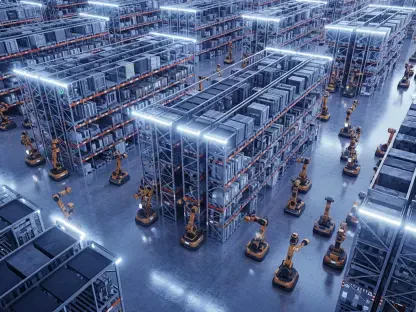
Building upon this foundation of digital evolution, the company has transitioned toward a model that prioritizes intellectual property-based revenue streams over traditional labor-intensive contracts. This strategic pivot ensures that the massive amounts of data generated by global operations are harnessed through predictive maintenance algorithms that anticipate equipment failure before it occurs, thereby saving millions in potential downtime. In the aerospace and defense sectors, where precision is non-negotiable, these AI systems provide real-time monitoring and advanced decision-support tools that streamline complex logistical chains. The shift toward “smarter” industrial solutions also aligns with broader environmental objectives, as machine learning models are now used to calculate and minimize carbon footprints throughout the engineering process. By merging these advanced computational capabilities with decades of deep-domain expertise, the entity has positioned itself as a primary architect of the modern industrial revolution, focusing on technological resilience and the delivery of high-value, sustainable results for a diverse international clientele.
Strategic Implementation: Navigating the Intersection of Data and Infrastructure
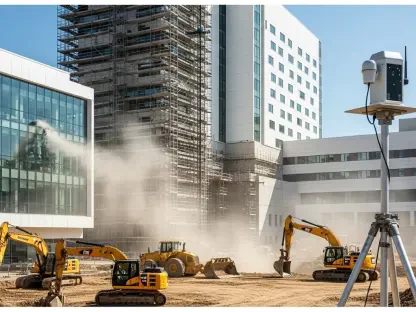
The successful deployment of these automated systems depends heavily on the creation of a seamless feedback loop between physical assets and their digital counterparts. This process begins with the implementation of sensor-rich environments that feed a constant stream of operational data into centralized machine learning engines, which then provide actionable insights for onsite engineers. Such a configuration allows for a more agile response to shifting market conditions and technical challenges, ensuring that every project remains within its specified budgetary and safety parameters. Moreover, the use of generative design tools has revolutionized the early stages of engineering, enabling the rapid exploration of thousands of architectural iterations to find the most efficient and resource-conscious path forward. This approach naturally leads to a more robust infrastructure that is capable of withstanding the rigors of modern industrial demands while maintaining a high level of operational transparency. The results of these initiatives are already visible in the increased precision of energy sector projects and the enhanced safety protocols governing hazardous environments.
Looking ahead from 2026 to 2028, the industry must prioritize the standardization of data protocols to ensure that AI-driven insights remain consistent across various platforms and international borders. Organizations seeking to replicate this level of success should focus on building a workforce that is as comfortable with data science as it is with mechanical engineering, as the siloed approach to these disciplines has become obsolete. Moving forward, the emphasis should shift toward developing edge computing capabilities that process information locally, reducing the latency involved in critical decision-making processes. It is also essential for industrial leaders to invest in cybersecurity measures that protect the integrity of digital twins, as these assets are now just as valuable as the physical facilities they represent. By fostering an environment where human intuition is augmented by machine precision, companies can solve the most pressing engineering problems of the decade. The final objective for any forward-thinking industrial entity was to establish a framework that not only responded to current needs but also anticipated the complex requirements of a rapidly evolving global economy.