
Deep within our cells, a biological clock is ticking, meticulously tracked by the protective caps at the ends of our chromosomes known as telomeres, which safeguard our genetic blueprint from deteriorating each time a cell divides. This gradual shortening of telomeres is a fundamental hallmark of aging, but for some individuals, this process is dangerously accelerated, leading to a host of severe and often mysterious diseases. For years, scientists have worked to understand the intricate machinery that maintains these vital structures. Now, groundbreaking research has illuminated a previously hidden gear in this cellular clockwork, identifying a single protein’s indispensable function in preserving telomere length. This pivotal discovery not only redefines our understanding of cellular longevity but also offers a beacon of hope for diagnosing and comprehending a range of debilitating short-telomere disorders that have long puzzled the medical community.
The Crucial Interaction Between RPA and Telomerase
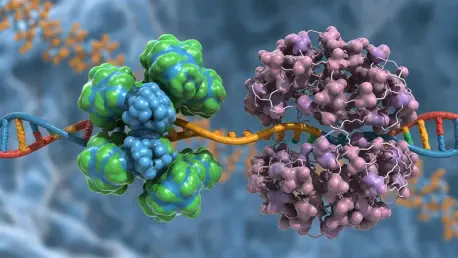
A landmark study from the University of Wisconsin-Madison has pinpointed replication protein A (RPA) as a master regulator in the maintenance of telomeres. The findings, detailed in the journal Science, reveal that RPA is not just a passive participant in DNA management but is absolutely essential for stimulating telomerase, the specialized enzyme tasked with elongating the chromosome ends. While the scientific community has long recognized RPA’s role in the broader process of DNA replication, its specific and direct function in activating telomerase remained unconfirmed until now. The research team ingeniously leveraged AlphaFold, a sophisticated machine learning tool, to predict the precise molecular interaction between RPA and telomerase. This computational prediction was subsequently validated through rigorous experimentation in human systems, confirming a critical link that had been a missing piece in the puzzle of cellular aging and disease. This confirmation provides a new, fundamental layer of understanding of the mechanisms that govern the integrity of our genome.
Translating Discovery into Diagnostics
The profound implications of this molecular breakthrough extend far beyond the laboratory, offering a direct and compelling explanation for several devastating short telomere disorders, including aplastic anemia, myelodysplastic syndrome, and acute myeloid leukemia. The study suggested that certain mutant forms of the RPA protein may be incapable of properly activating telomerase, causing telomeres to shorten prematurely and triggering disease. This insight provided an immediate and tangible impact on clinical research. In the wake of the publication, the discovery prompted a swift international collaboration, with clinicians from around the world initiating investigations to determine if RPA mutations are the underlying cause in patients with previously unexplained conditions. This newfound knowledge promised to revolutionize diagnostic practices, offering a clear molecular target for genetic screening and providing families affected by these rare and complex diseases with definitive answers that have, until now, remained elusive.