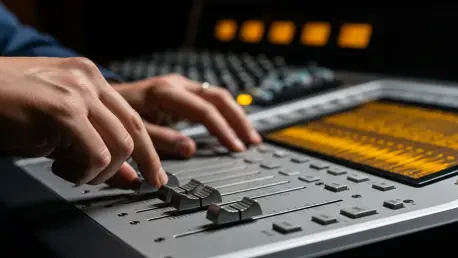

The traditional path to producing high-quality music is often obstructed by exorbitant production expenses, technical barriers, and the grueling search for royalty-free tracks that rarely align with a specific artistic vision. Content creators and marketing professionals frequently find themselves constrained by generic audio loops that fail to capture the necessary emotional depth, leading to a noticeable disconnect between visual storytelling and its auditory impact. This friction often stifles the creative process and causes significant delays in project timelines, forcing creators to settle for subpar results. In response to these challenges, the emergence of advanced AI music generation provides a sophisticated solution by allowing users to convert complex text descriptions into professional-grade soundtracks in mere seconds. By utilizing high-level neural networks, these platforms democratize audio production, making it accessible to everyone from independent filmmakers to digital marketing specialists who require high-fidelity sound without the overhead of a traditional studio environment.
1. Intelligent Engineering: Moving Past Basic Loops
Digital audio technology has undergone a massive transformation, evolving from simple MIDI sequences into highly intelligent generative systems that fundamentally grasp the nuances of music theory and composition. In the current landscape of 2026, the ability to synthesize original melodies, intricate harmonies, and even realistic vocal tracks through simple text prompts has completely redefined the boundaries of digital creativity. This shift is not merely about automating the production process but about providing a sophisticated canvas where human intent remains the primary driver of the final artistic output. These advanced systems analyze massive datasets of musical structures to ensure that every generated piece maintains rhythmic integrity and harmonic coherence, allowing for a level of precision that was once impossible without years of training. This technological leap ensures that the transition from a conceptual idea to a finished audio file is both seamless and creatively fulfilling for the user.
The modernization of sound engineering through artificial intelligence allows for a degree of customization that was previously reserved for high-end recording sessions with professional session musicians. Instead of spending hours scouring static music libraries for a track that is “close enough,” creators now possess the power to specify exactly what they need in terms of mood, instrumentation, and energy. This transition from simple discovery to active creation empowers users to maintain full control over their brand voice and artistic direction across all media formats. As the digital industry continues to move toward more personalized and immersive content, the role of adaptable, high-quality audio becomes increasingly critical for maintaining audience engagement. The technology now supports a dynamic workflow where the music evolves alongside the project, ensuring that the final soundtrack is a perfectly tailored accompaniment to the visual narrative rather than an afterthought.
2. Technical Capabilities: Specialized Models and Synthesis
One of the most effective features of the modern text-to-song ecosystem is the availability of distinct neural models designed to meet specific creative objectives. Rather than relying on a generic, one-size-fits-all approach, the system provides specialized engines that prioritize different elements of the composition process based on the user’s needs. Selecting the appropriate model is the most vital step in achieving a professional result that aligns with the intended use case, whether that involves a short social media clip or a full-length cinematic score. These models are trained to understand the subtle differences between genres, ensuring that a jazz composition carries the appropriate swing while an electronic track maintains modern production standards. This strategic selection process allows creators to optimize their workflow by matching the complexity of the AI engine to the specific requirements of their current project, resulting in a more polished and professional final product.
To better understand how these tools fit into a professional production pipeline, it is helpful to examine the functional differences between primary generative engines like Studio Pro and the Ultimate model. The Studio Pro engine is specifically engineered for those requiring longer, more complex compositions, supporting tracks that can extend up to eight minutes while maintaining thematic consistency. In contrast, the Ultimate model focuses on delivery speed and efficiency without sacrificing the fundamental quality of the musical expression, making it an ideal choice for rapid prototyping or high-volume social media content. Beyond the core melody, these systems allow for intricate control over vocal styles and rhythmic complexity, ensuring that the prosody of the language matches the musical phrasing of the selected genre. This level of detail ensures that the final output feels like an intentional, hand-crafted composition rather than a randomized sequence of sounds, providing a unique identity for every project.
3. The Production Process: From Prompting to Final Asset
The operational workflow for generating professional audio is designed to be intuitive, ensuring that the creator’s focus remains on the vision rather than the technical hurdles of the software. To begin, the user must define the creative input by entering a detailed text prompt that outlines the desired genre, specific instruments, and the intended tempo of the piece. If a song with lyrics is required, the system allows the user to either input their own original text or use an internal generator to craft verses and choruses based on a specific thematic prompt. This initial stage is crucial because the specificity of the language used directly influences the richness and accuracy of the generated audio. By providing clear descriptions of the atmospheric qualities and structural preferences, the user sets a strong foundation for the AI to build a track that meets high professional standards.
Once the initial concept is defined, the next phase involves the strategic adjustment of technical settings and the selection of the most appropriate AI model. This step allows for the refinement of the “vibe” by selecting from over 150 styles and 30 distinct moods, which significantly reduces the trial-and-error phase that typically characterizes the early stages of production. After the parameters are confirmed, the system processes the request to produce a unique, high-fidelity audio file that can be reviewed alongside synchronized lyrics. The final step in this streamlined process is the organization of these assets into a personal cloud-based library, allowing for immediate download or future reference. This structured approach ensures that creators can consistently produce high-quality audio while maintaining an organized repository of their intellectual property, which is essential for long-term brand consistency and project management.
4. Creative Management: Refinement and Sound Ownership
Navigating the nuances of generative audio requires an understanding that music production is an iterative process where the first result is often a starting point for further refinement. The quality of the final output is heavily dependent on the specificity and clarity of the initial prompts, and small adjustments in style or model selection can lead to vastly different results. This iterative nature allows creators to treat the AI as a collaborative partner, experimenting with unconventional combinations of styles and tempos to find a truly unique sound. By acknowledging the theoretical constraints of the technology, such as the need for precise structural cues, users can more effectively navigate the system to produce professional-grade work. This collaborative dynamic encourages a deeper exploration of musical possibilities, leading to the creation of tracks that are both innovative and technically sound, further bridging the gap between human creativity and machine efficiency.
The evolution of these tools has shifted the industry toward a model of individual sovereignty, where creators now possess the means to build and manage their own unique intellectual property. This transition was marked by the widespread adoption of integrated management systems that allowed users to maintain a consistent sonic identity across various digital platforms. By establishing a centralized sound library, professionals were able to organize different versions and successful prompts, ensuring that their creative assets remained secure and easily accessible. The ability to generate custom, high-end audio on demand eliminated the reliance on expensive third-party licensing and generic stock music. Ultimately, the integration of AI music tools into the standard creative workflow provided a permanent solution for achieving high-level storytelling, ensuring that every piece of content was accompanied by a perfectly synced and professionally produced soundtrack that enhanced the overall viewer experience.