


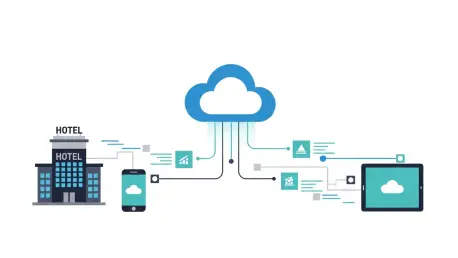

The global hospitality sector is currently navigating a profound technological transition as major brands commit vast capital to artificial intelligence systems designed to streamline everything from booking to checkout. While high-level executives are eager to sign multi-year contracts to secure these capabilities, a growing volume of evidence suggests that many of these early investments will be functionally obsolete by 2029. This potential for rapid depreciation stems from a significant misalignment between the polished, idealized demonstrations presented in corporate boardrooms and the gritty, unpredictable reality of daily hotel operations. Many existing AI solutions are engineered for sterile digital environments with perfect data flows, yet the average property continues to struggle with fragmented legacy systems and inconsistent connectivity. If decision-makers continue to ignore the operational realities of the front desk and the back office, the industry may face a catastrophic wave of technical debt, rendering current multi-year investments useless long before their contract terms have expired.
Part 1: The Disconnect Between Sales Demos and Reality
A major hurdle for the industry is the stark difference between technology that is “demo-ready” and systems that are truly “operations-ready” for a high-traffic, real-world environment. Sales pitches for hotel technology typically occur in highly controlled settings where developers use optimized datasets and high-speed fiber-optic connections to ensure a flawless presentation. In these simulations, AI agents answer inquiries instantly, process payments without friction, and handle room assignments with surgical precision. However, these presentations rarely account for the chaotic data ecosystems found in the real world, where internet outages, unrecorded manual overrides, and conflicting guest requests are part of the daily routine. When a platform that performed perfectly in a lab setting is integrated into a live hotel lobby, the lack of environmental flexibility often leads to system crashes or incorrect data entry, creating a situation where the technology purchased at a premium becomes a burden.
Furthermore, many of the advanced platforms marketed today rely on an assumption of data cleanliness that simply does not exist in the current hospitality landscape. Most properties operate using a patchwork of software solutions that do not communicate effectively with one another, leading to “data silos” that confuse even the most sophisticated AI models. While a chatbot might handle a basic question about pool hours, it frequently fails when faced with the nuanced complications of live guest services, such as splitting a bill across multiple credit cards or managing specific dietary requirements for a VIP arrival. Without deep integration into every facet of the hotel’s infrastructure, these AI tools remain superficial layers that cannot solve complex problems autonomously. As long as these systems are unable to navigate the messy reality of daily property management, they will struggle to provide the return on investment that was promised during the initial sales cycle.
Part 2: The Midnight Test: Handling High-Stress Scenarios
The ultimate test for any hotel technology is the overnight shift, where properties typically operate with minimal human staff and must rely heavily on automated systems to maintain safety and service. Most current artificial intelligence lacks the sophisticated decision-making skills required to handle late-night emergencies, such as sudden reservation errors, accessibility failures, or plumbing issues that require immediate room changes. While automation can handle routine tasks, it often reaches a logical dead end when faced with a situation that does not fit into a pre-defined script. In these moments, the lack of human-level judgment becomes a significant liability, as the AI may provide incorrect information or fail to escalate the issue to the proper authorities. For a hotel to operate safely and effectively during these hours, its technology must be capable of making nuanced, autonomous choices that prioritize guest safety and comfort over rigid procedural rules.
In addition to individual failures, a growing risk involves the interaction between multiple autonomous systems that are not designed to work in concert with one another. When a revenue management AI interacts with a digital concierge without human supervision, they risk creating a chain of logistical and financial errors that can be difficult to untangle. For example, a pricing bot might offer a steep discount for a last-minute booking while the concierge bot concurrently promises a premium room upgrade that is no longer available. These algorithmic conflicts can lead to overbooked rooms, double-billing, and a complete breakdown of guest trust during the most sensitive times of operation. Without a centralized “brain” to oversee these disparate systems, hotels are essentially running a collection of independent programs that may inadvertently work against each other. This lack of systemic harmony is a major reason why current investments are likely to be discarded in favor of integrated platforms.
Part 3: Technical Debt: Legacy Systems and Contractual Rigidity
Technical debt remains a significant barrier to AI success, as a vast majority of hotels continue to rely on property management systems that were designed more than a decade ago. These legacy infrastructures create significant bottlenecks, preventing modern, high-speed AI from accessing and processing guest information in real-time. Attempting to install advanced software on top of these outdated foundations is akin to placing a high-performance racing engine into a vehicle with a broken transmission; the potential power is there, but it cannot be translated into actual movement. Many hotel owners are hesitant to undergo the expensive and disruptive process of replacing their core systems, yet this reluctance is exactly what will lead to the obsolescence of their current AI tools. Without a modern, cloud-based data layer, AI is limited to performing low-value tasks that do not justify the high subscription costs, ensuring that any AI investment remains a decorative and expensive addition.
Adding to the technical challenges is the prevalence of rigid, long-term contracts that often create a high risk of vendor lock-in for the next several years. Because the field of artificial intelligence is evolving at such a rapid pace, a tool that is considered cutting-edge today could be entirely surpassed by more efficient and affordable solutions within twenty-four months. Many existing service agreements lack the necessary flexibility for properties to pivot toward better technologies, effectively trapping hotels in expensive and increasingly inefficient ecosystems. This lack of agility is particularly dangerous in an environment where guest expectations are shifting just as quickly as the technology itself. When a competitor adopts a more advanced, modular AI solution that allows for seamless updates, hotels tied to legacy contracts will find themselves unable to compete. To avoid this trap, operators must demand more flexible terms and prioritize vendors that embrace open architecture.
Part 4: Strategic Adaptation: Human Integration and Modular Design
Technology cannot succeed in a vacuum, yet many hotels are currently failing to invest enough resources into the human element of artificial intelligence adoption and change management. When employees do not fully understand how to interact with or supervise automated systems, they often view the technology as a burden, a threat to their job security, or an obstacle to providing genuine hospitality. Successful implementation of AI requires a focus on comprehensive staff training, ensuring that every team member knows exactly when the automation has reached its limits and when a human touch is required to resolve a guest’s concern. This hybrid approach allows for the efficiency of machines to be tempered by the emotional intelligence of people, creating a service model that is both high-tech and high-touch. Without this cultural integration, even the most expensive software will likely be underutilized or actively resisted, leading to a failure to achieve operational goals.
To mitigate the risks of rapid obsolescence, forward-thinking hospitality operators are moving away from monolithic, all-in-one software suites in favor of a more modular design approach. Rather than purchasing a single platform that attempts to manage every aspect of the hotel, these companies are building flexible infrastructures characterized by unified data platforms and open APIs. This strategy allows a property to swap out specific AI components as better tools become available, ensuring that the technology stack remains relevant through 2029 and beyond. A modular architecture provides the agility needed to test new innovations without the risk of a total system failure or the need for a complete overhaul of the property’s digital foundation. By prioritizing interoperability and data portability, hotels can ensure they are not beholden to a single vendor’s roadmap. This shift toward flexibility represents a departure from traditional methods, emphasizing long-term adaptability.
Part 5: The Traveler Experience: Maintaining Service Integrity
For the modern traveler, this period of technological transition may result in inconsistent service levels as hotels struggle to find the right balance between automation and human interaction. While some automated features, like mobile check-in or instant messaging for room service, may work smoothly, others may create frustrating barriers when a guest needs immediate assistance. Friction occurs when an AI system is unable to understand a guest’s specific dialect or fails to recognize the urgency of a particular request, leading to a breakdown in the guest-hotel relationship. Hotels that prioritize transparency and provide an easy, visible path to human help will likely maintain higher levels of loyalty during these growing pains. Guests are generally willing to embrace technology if it makes their stay easier, but they quickly lose patience when it stands in the way of a solution. Maintaining a focus on the guest’s perspective is essential to ensuring that AI serves as an enhancement.
The industry eventually moved toward a more resilient model by recognizing that successful automation required a foundation of clean data and agile infrastructure rather than just flashy software. Leaders who prioritized modular systems avoided the pitfalls of early obsolescence by ensuring their properties remained compatible with the rapid advancements seen in the late twenties. They focused on bridging the gap between corporate promises and the reality of the lobby, which allowed them to implement AI that actually supported their staff during the busiest shifts. These organizations also realized that the human element was the most critical component of the technological equation, investing heavily in training to create a collaborative environment for both robots and people. By moving away from restrictive, long-term contracts and embracing open APIs, they secured a competitive advantage that lasted well into 2029. This strategic shift transformed AI from a risky capital expenditure into a sustainable engine for growth.







