
In a city that treats dinner like a stage and tech like a protagonist, a restaurant that claims an AI chef is more than a gimmick becomes a litmus test for whether algorithms can credibly shape taste, tempo, and theater in a working kitchen. The result is an experiment that straddles research lab and show floor, where culinary craft meets a machine trained to dream up flavor and drama in equal measure.
At the center sits “chef Aiman,” a creative‑analytical model trained on thousands of recipes, culinary science, and molecular gastronomy, paired with a human brigade led by Turkish chef Serhat Karanfil. The promise is simple but bold: the AI proposes combinations and calibrations, humans judge and execute, and the dining room turns the process into an immersive spectacle that fuels desire and debate.
What the system actually does
Woohoo positions Aiman as an ideation engine that generates dish concepts, balances flavor variables, and assembles menus under constraints such as cost, dietary rules, and seasonality. Instead of replacing staff, the model acts as a rapid prototyper, spitting out structured formulas that can be tested, tweaked, and re‑run at will.
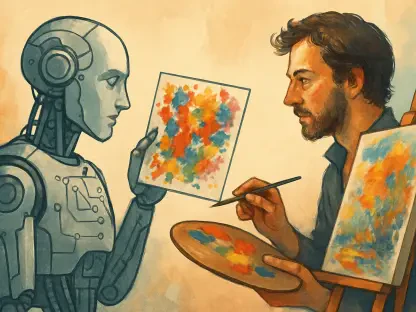
Human oversight is non‑negotiable. When a proposed tartare skews too spicy or a sauce feels thin, the chef feeds tasting notes back into the system and requests a recalibration. This loop turns subjective palate calls into structured prompts, creating a shared language between an algorithm that optimizes parameters and a chef who owns taste, texture, and plating.
How the workflow operates
The day‑to‑day flow looks like a creative sprint. Aiman drafts multiple versions of a dish, ranked by flavor harmony and novelty; the kitchen cooks a short list; the team tastes; and the AI iterates with new constraints such as “dial down capsaicin by 20 percent” or “increase umami without animal stock.” This cadence compresses R&D cycles from days to hours, keeping momentum without sacrificing judgment.
Moreover, the model handles menu‑level puzzles that typically bog down teams: balancing sweet and acidic courses across a tasting arc, pairing dishes with known inventory, and predicting prep load on busy nights. While the AI’s predictions remain probabilistic, they are good enough to cut indecision, reduce waste, and surface options that might otherwise be ignored.
Flavor modeling and iteration
Under the hood, the system leans on learned flavor networks—associations between ingredients, techniques, and chemical compounds—to propose pairings and counterpoints. Aiman’s strength is not taste in the human sense, but pattern sense: it knows which acids soften bitterness, how fat can carry aromatics, and when texture contrast rescues a flat bite.
Feedback closes the gap. Notes like “heat lingers too long,” “graininess on finish,” or “acid blooms late” translate into target adjustments for spice volatility, particle size, and titratable acidity. In practice, this yields faster convergence on a consistent profile, particularly handy for complex plates with narrow margins between clever and chaotic.
Experience engine and brand persona
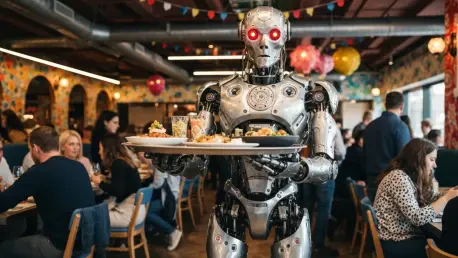
Woohoo ties the kitchen brain to a theatrical layer that sells the science as story. The headline act is “dinosaur tartare,” marketed as a DNA‑inspired recreation served on a pulsating plate that mimics breathing—a provocation designed for cameras as much as palates. The room amplifies this with AI‑generated holograms, sci‑fi animations, and a cylindrical “mainframe” that cues lights and smoke.
This spectacle is not incidental; it is strategy. Aiman’s avatar posts like a celebrity chef, turning ideation into content and content into footfall. In a market that rewards shareable moments, the fusion of algorithm and ambiance lifts perceived value, primes diners for novelty, and positions the venue at the intersection of cuisine and immersive media.
Signals reshaping hospitality
One clear shift is AI’s move from quiet back‑office helper to front‑of‑house narrative, where the model is cast as a creative partner with a name, voice, and brand. That reframing changes expectations: guests arrive ready to be surprised, and the restaurant leans into that energy to justify premium pricing and a revolving menu.
At the same time, a new norm is forming around hybrid workflows. AI ideates and optimizes; humans arbitrate final taste, plate composition, and hospitality. Even skeptics who reject the idea of a nonhuman “chef” accept the utility of scheduling, forecasting, and research automation—keeping the soul of cooking in human hands while offloading the drudgery.
Where it shows up on the floor
The most immediate wins land in menu development. Rapid concept generation and variation testing let the team tune seasonal plates or target specific demographics without weeks of trial. Operations gain from inventory‑aware suggestions, menu mix optimization, and prep pacing that adapts to booking patterns.
Guest experience is where Woohoo pulls ahead of peers. Interactive storytelling, augmented plating, and a digital persona that behaves like an influencer extend the dining room into an online stage. The “dinosaur tartare” functions as both dish and headline, converting virality into reservations while anchoring a broader promise of future‑leaning cuisine.
Constraints, risks, and human judgment
For all the polish, tension remains. Established chefs invoke nafas—the intangible soul and memory embedded in great cooking—and argue that algorithms cannot replicate it. That critique lands hardest when marketing blurs science with spectacle, especially around claims like DNA‑based flavor recreation without transparent methods or sourcing.
There are operational risks, too. Novelty fatigue can set in if showmanship outruns flavor; regulatory scrutiny may follow if claims stretch credibility; and consistency can wobble during rushes when the theater complicates service. The fix is not less AI but clearer role boundaries: let the model propose and optimize, and let humans own taste, context, and care.
Roadmap and likely trajectory
Short‑term improvements will focus on better flavor proxies and tighter human‑in‑the‑loop tasting, aided by structured sensory vocabularies that translate somatic feedback into machine‑readable targets. Expect deeper links to supply signals and sustainability metrics, so menus not only taste smart but also buy smart.
Longer‑term, adaptive personalization becomes plausible: table‑level tuning based on stated preferences, recent orders, and even ambient cues. Done well, this could redefine the “chef” as a team of artisans plus algorithms, birthing genres that merge cuisine, game‑engine logic, and live performance—an arena where Dubai’s appetite for concept venues is a clear tailwind.
Verdict and next steps
The system reviewed here proved most valuable as an accelerator and amplifier: it sped up R&D, stabilized consistency under pressure, and powered a theater that translated into brand equity. The culinary edge still depended on human judgment, and the best outcomes arrived when the AI’s boldness met a chef’s restraint. To strengthen the model, operators should tighten transparency around sensational claims, formalize feedback taxonomies for tasting notes, and couple flavor optimization with clear sustainability and sourcing data. With those steps, the balance between code and craft would tilt toward trust and durability, turning a headline into a workable template for AI‑forward dining.