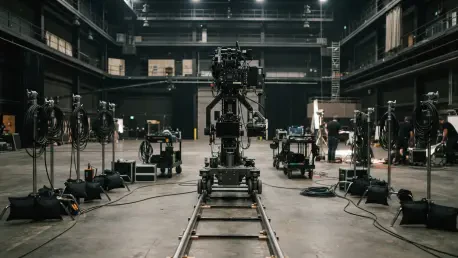

The integration of artificial intelligence into film production represents a shift comparable to the digital revolution that enabled the groundbreaking visual effects of Jurassic Park. David Ellison, the visionary leader of the newly merged Paramount Skydance, has articulated a bold perspective that positions AI as the most significant creative unlock in the history of the medium. Moving beyond the narrow view of automation as a mere tool for reducing overhead costs, Ellison argues that these technologies will fundamentally redefine how stories are conceived and executed on a global scale. This transition marks a definitive strategic pivot for the legacy studio, signaling an era where digital intelligence is woven into the very fabric of the creative process. By drawing parallels to the early nineties, Ellison emphasizes that just as CGI allowed filmmakers to visualize the previously impossible, AI serves as a catalyst for a new dimension of storytelling. The studio is now setting a precedent for how technology and human imagination can work in a seamless and high-performance partnership.
Strategic Evolution: Building an AI-Native Studio Infrastructure
Technological Foundations. Following the high-profile merger of Paramount and Skydance, leadership has initiated an aggressive plan to modernize the studio’s underlying infrastructure. The objective is to transition toward an AI-native model, where machine learning and automated workflows are integrated into every phase of a project, from initial concept development to final distribution. This modernization effort involves upgrading data centers and implementing sophisticated proprietary software designed to streamline complex production tasks. By embedding these tools into the core of the studio’s operations, Paramount Skydance aims to achieve a level of efficiency that was previously unattainable in a traditional environment. This approach is not merely about speeding up the process; it is about providing creators with more flexibility and resources to refine their work. As the industry becomes increasingly competitive, the studio’s ability to iterate quickly on visual concepts will become a primary factor in its success.
Workforce Dynamics. The move toward a tech-centric workflow necessitates a reevaluation of traditional job roles within the studio system. Integrating automated tools directly into the production pipeline requires a workforce that is proficient in both traditional storytelling and the latest digital techniques. Consequently, Paramount Skydance is investing heavily in training programs and new talent acquisitions to ensure that its teams can effectively utilize these emerging technologies. This strategy is designed to create a more agile production environment where technical barriers no longer hinder the creative vision. By reducing the time spent on labor-intensive manual tasks, the studio hopes to allocate more time and budget toward the high-level creative decision-making that defines premium content. This structural evolution reflects a broader industry trend where the lines between a traditional film studio and a technology company are blurring, forcing legacy players to adapt or risk becoming obsolete in a changing market.
Industry Integration: Balancing Innovation with Human Creativity
Ethical Guardrails. Despite the corporate enthusiasm for technological advancement, the integration of AI remains a source of tension between studio leadership and the creative workforce. The industry continues to feel the effects of labor disputes from several years ago where screenwriters and actors secured critical protections against the unauthorized use of their digital likenesses and the automation of scriptwriting. For Ellison’s vision to gain broad acceptance, the studio must navigate these complex legal and ethical boundaries with transparency and respect for established contracts. The challenge lies in proving that these new tools are intended to augment human talent rather than replace it. If the implementation of AI is perceived as a cost-cutting measure at the expense of human artists, it could lead to further labor unrest. Therefore, the successful adoption of these technologies will depend on a collaborative approach that prioritizes the rights and contributions of the individuals who form the backbone of the industry.
Future Considerations. The film industry successfully navigated the initial hurdles of digital transformation by prioritizing transparency and human-centric design in its technological deployments. Studios established robust internal protocols that ensured the use of artificial intelligence remained a collaborative endeavor rather than a purely mechanical one. By fostering a culture of continuous learning, companies enabled their existing creative teams to adapt to new tools without losing the artistic integrity that defined their previous work. These organizations also formed strategic partnerships with technology developers to create customized solutions that addressed the unique needs of cinematic storytelling. As a result, the integration of advanced software led to a more diverse and vibrant media landscape where artists had the freedom to experiment with complex narratives. The industry proved that it was possible to embrace high-tech efficiency while maintaining the emotional depth and cultural significance that audiences have always demanded from motion pictures.