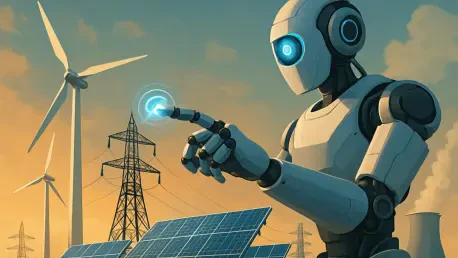

The intersection of mechanical engineering and advanced machine learning is no longer a theoretical concept but a tangible reality reshaping the way the world generates, distributes, and consumes electricity across diverse geographical regions. Physical Artificial Intelligence, commonly referred to as Physical AI, serves as the critical bridge between abstract digital computation and the physical execution of tasks through robotics, sophisticated sensors, and intelligent grid components. While traditional AI models have historically focused on processing vast quantities of data within isolated software environments, Physical AI embeds these capabilities directly into the hardware that powers our cities and industries. This shift represents a fundamental move toward an autonomous energy landscape where machines are capable of perceiving their environment, reasoning through complex variables in real time, and taking immediate corrective actions without the delays inherent in human-led intervention. As the global community pushes for aggressive decarbonization and manages an increasingly decentralized energy mix, this technology provides the necessary architectural backbone to ensure reliability. By integrating intelligence into the very fabric of infrastructure, operators can move beyond reactive maintenance toward a model of continuous optimization that adapts to the shifting demands of modern society.
The Economic Momentum of Autonomous Systems
The financial landscape surrounding Physical AI reveals a sector on the cusp of a significant transformation, with market valuations projected to rise from roughly $5 billion in 2025 to a remarkable $82.7 billion by 2035. This projected compound annual growth rate of over 32% reflects a broader industrial trend where energy providers and infrastructure managers are prioritizing long-term capital investments in intelligent hardware. Several converging factors drive this economic surge, including the persistent need to mitigate rising labor costs and the urgent requirement to enhance safety protocols in hazardous operational environments. By deploying autonomous systems that can navigate high-voltage substations or offshore wind farms, companies are effectively reducing the human risk factor while simultaneously increasing the frequency and accuracy of inspections. This shift is not merely about replacing manual tasks but about creating a higher level of operational awareness that was previously cost-prohibitive. As energy systems become more complex and data-heavy, the investment in Physical AI acts as a safeguard against the volatility of global energy markets and the unpredictability of aging infrastructure components.
Beyond the raw financial projections, the economic case for Physical AI is deeply rooted in the pursuit of unprecedented operational efficiency within the energy value chain. In the current 2026 landscape, the transition toward automated decision-making allows utilities to manage the inherent instability of modern power networks with greater precision. Traditional infrastructure often relies on centralized oversight that can struggle to react quickly to localized disturbances or sudden surges in demand. Physical AI addresses this by providing the tools for machines to act as independent agents capable of optimizing their own performance based on environmental feedback. This level of autonomy is particularly valuable for organizations managing vast fleets of distributed energy resources, such as residential solar arrays and commercial battery storage systems. By automating the load balancing and dispatch processes, energy providers can significantly reduce waste and lower the total cost of ownership for their assets. The move toward this technology is therefore a strategic response to the dual pressures of maintaining profitability while meeting the increasingly stringent environmental regulations that define the global energy market today.
Grid Modernization Through Decentralized Logic
The evolution of the traditional power grid into a responsive, intelligent network represents one of the most profound applications of Physical AI currently visible in the infrastructure sector. Modern smart grids are moving away from the “blind” operations of the past, where faults were often only identified after they caused a blackout and required manual diagnosis by field technicians. Today, AI-enabled hardware embedded within the grid can monitor electrical signatures continuously, detecting the earliest signs of equipment fatigue or line failures before they escalate. One of the most critical advancements in this domain is the development of self-healing capabilities, which allow the network to automatically isolate damaged segments and reroute power through healthy channels. This process happens in milliseconds, ensuring that critical services remain powered even during localized disruptions. This autonomous resilience is essential for protecting the grid against the physical threats posed by extreme weather events and the operational stresses caused by the electrification of heavy transport and heating systems.
A significant portion of this technological progress is driven by the shift toward decentralized intelligence, often termed edge AI or on-device AI. Currently, more than half of all Physical AI deployments prioritize local processing over remote cloud-based computation, a trend that is vital for time-sensitive energy applications. By placing the “brain” of the system directly on sensors or transformers, energy infrastructure can react to fluctuations with minimal latency, which is a prerequisite for maintaining grid stability in a landscape dominated by intermittent renewables. When weather patterns shift suddenly or a major industrial plant starts a high-demand cycle, the localized AI can adjust voltage levels and frequency without waiting for instructions from a distant control center. This reduces the strain on telecommunications networks and ensures that the grid remains functional even if its connection to the broader internet is compromised. The result is a more robust and responsive energy ecosystem that can handle the complexity of modern demand profiles while minimizing the risk of cascading failures across the wider network.
Optimizing Green Energy and Industrial Asset Health
The inherent variability of renewable energy sources like wind and solar continues to be a primary challenge for grid operators, but Physical AI provides the sophisticated forecasting and management tools needed to bridge this gap. By utilizing advanced machine learning models that process real-time meteorological data alongside historical performance metrics, AI-enabled systems can predict energy output with a level of accuracy that far surpasses traditional statistical methods. This predictive capability allows for much more efficient integration of solar and wind power into the daily energy mix, as operators can anticipate drops in production and prepare storage or backup resources in advance. Furthermore, Physical AI is instrumental in the management of large-scale battery energy storage systems, where it optimizes charge and discharge cycles to maximize the lifespan of the hardware and ensure that stored energy is released at the most economically and operationally advantageous moments. This intelligent coordination is turning renewable assets from unpredictable variables into reliable pillars of the modern energy infrastructure.
In addition to output optimization, Physical AI is revolutionizing the maintenance of energy infrastructure through the use of autonomous robotics and computer vision. Specialized drones and robotic crawlers are now being deployed to conduct high-resolution inspections of wind turbine blades, solar arrays, and high-voltage transmission lines. These machines are equipped with Physical AI that allows them to navigate complex environments and identify microscopic defects, such as hairline cracks or corrosion, that are often invisible to the naked eye. By catching these issues in their infancy, energy companies can perform targeted repairs that prevent catastrophic failures and extend the operational life of their multibillion-dollar investments. This proactive approach to asset management not only improves the overall safety of industrial sites but also reduces the environmental footprint associated with manufacturing and transporting replacement components. As these autonomous inspectors become more prevalent, the need for human crews to perform dangerous climbs or enter confined spaces is drastically reduced, marking a significant milestone in industrial workplace safety and efficiency.
Technological Foundations and the Robotics Service Model
The technical architecture supporting the rise of Physical AI is built upon several foundational technologies that enable machines to interact meaningfully with the physical world. Computer vision remains the most dominant technology in this space, providing the visual processing power necessary for robots to “see” and interpret their surroundings during complex tasks. This is complemented by reinforcement learning, a type of AI training that allows systems to improve their performance through continuous trial and error within their physical environment, much like a human gains skill through experience. Another critical component is sensor fusion, which integrates data from a variety of sources—including thermal cameras, vibration sensors, and acoustic monitors—to create a comprehensive, multi-dimensional view of infrastructure health. By combining these diverse inputs, Physical AI systems can make highly informed decisions that account for a wide range of operational variables. This convergence of sensing and reasoning is what transforms a simple mechanical tool into an intelligent asset capable of operating autonomously in the real world.
To facilitate the widespread adoption of these advanced tools, the industry is increasingly embracing the Robotics-as-a-Service (RaaS) business model, which allows infrastructure providers to scale their AI capabilities without the massive upfront costs typically associated with high-tech hardware. RaaS enables utilities and manufacturing firms to access the latest robotic technologies on a subscription or pay-per-use basis, ensuring they can stay at the forefront of innovation as the technology continues to evolve. This accessibility is particularly important for smaller energy providers who may not have the capital to invest in a full fleet of autonomous systems. Beyond the physical power plants, Physical AI is also being used to address the soaring energy demands of the digital economy by optimizing the cooling systems of massive data centers. By using AI to monitor heat signatures and manage airflows autonomously, these facilities can drastically reduce their electricity consumption and operational expenses. This application highlights the versatility of Physical AI in managing energy not just at the source of production, but also at the points of most intensive consumption.
Strategic Global Perspectives and Infrastructure Resilience
The global distribution of Physical AI adoption highlights a competitive landscape where different regions are leveraging their unique industrial strengths to lead the transition. Currently, North America maintains a strong position in the market, supported by a robust ecosystem of technology giants and significant venture capital investment in robotics and edge computing. However, the Asia-Pacific region is emerging as the fastest-growing market for these technologies, driven by rapid industrialization and ambitious government-led initiatives aimed at modernizing domestic energy grids. Countries like China and India are integrating Physical AI into their massive infrastructure projects to manage the complexities of urban growth and the rapid expansion of their renewable energy sectors. This regional competition is accelerating the pace of innovation, as developers strive to create more efficient and cost-effective solutions for a global audience. The exchange of technology and best practices across these regions is fostering a more interconnected and resilient global energy network that benefits from the collective advancements of the international AI community.
The integration of Physical AI into global energy infrastructure demonstrated that the future of power management lies in the seamless coordination between digital intelligence and physical execution. Moving forward, stakeholders prioritized the standardization of data protocols and the strengthening of cybersecurity measures to ensure that these autonomous systems remained secure against evolving digital threats. Organizations looked to invest in workforce development programs that trained technicians to work alongside intelligent machines, as the human-AI partnership was essential for managing the transition period. Furthermore, the focus shifted toward creating interoperable systems that could communicate across different platforms and vendors, preventing the formation of isolated technological silos. By embracing these actionable strategies, the energy sector fully realized the potential of Physical AI to create a grid that was not only smarter and more efficient but also profoundly resilient in the face of global challenges. The successful deployment of this technology was the first step toward a new era of industrial harmony where infrastructure thought as well as it acted.