


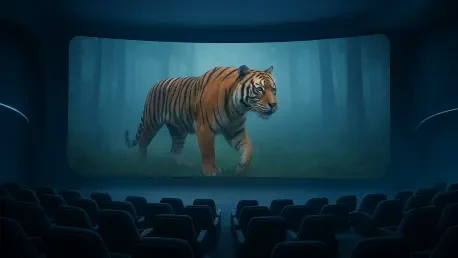

Visitors at the Kamala Nehru Prani Sangrahalaya can now experience the scent of a damp forest and the vibration of a tiger’s roar through a newly installed 14D cinema system. This state-of-the-art facility, inaugurated by Madhya Pradesh Chief Minister Mohan Yadav, represents a fundamental shift in how urban populations engage with the natural world. By moving away from traditional enclosures, the project utilizes high-fidelity digital displays to create an environment where conservation education and advanced technology intersect seamlessly. This initiative is not merely about entertainment; it is a strategic departure from the ethical dilemmas often associated with animal captivity. The transition from physical cages to immersive pixels allows the public to develop a profound appreciation for biodiversity without disrupting actual ecosystems. As cities continue to modernize, this virtual approach provides a compelling blueprint for the future of wildlife tourism, prioritizing ecological awareness while catering to a tech-savvy demographic that values sensory-rich storytelling.
The Engineering of Sensory Realism: Blurring Physical Boundaries
At the core of this technological marvel is an 8,000-square-foot facility specifically engineered to blur the boundaries between reality and digital simulation. The installation features a sophisticated 14D cinema. It utilizes a combination of 3D domes and specialized panoramic screens to envelop the audience in a 360-degree environment. Unlike standard theater settings, the system incorporates physical elements such as synchronized fog, bubbles, and specialized scents. These correspond directly with the visual narrative. This multisensory integration ensures that visitors are not just passive observers but active participants in a reconstructed wilderness. The precision of the technology allows for the subtle replication of environmental nuances, from the light mist of a tropical waterfall to the specific earthy aroma of a forest floor. By simulating these tactile and olfactory details, the facility achieves a level of presence that traditional media cannot replicate, making the digital wildlife feel remarkably immediate and tangible for every guest.
The psychological impact of such high-level immersion is significant, as it transforms a simple viewing session into a memorable lived experience. During the twenty-minute sequences, vibrating seats and spatialized audio create a visceral connection to the movements of the animals on screen. The audience feels the weight of a predator’s steps. This fosters a sense of awe that was previously only available through high-risk field expeditions. This approach effectively bridges the gap between urban life and remote natural habitats. It provides a controlled yet thrilling encounter with Earth’s most elusive creatures. Moreover, the 14D system is designed to handle high visitor volumes with sixteen shows daily, ensuring that the technology remains accessible to the broad public. The engineering behind these simulations highlights a growing trend in urban planning where high-tech attractions serve as both educational hubs and major tourism draws. This proves that immersive digital environments offer a sustainable alternative to conventional zoological parks.
Educational Paradigms: Redefining Conservation Through Technology
Beyond the cinematic experience, the facility integrates a series of interactive zones such as the Hologram Zoo and a Digital Jungle Safari. These spaces use advanced three-dimensional projections. These allow animals to appear as if they are standing in the same room as the viewers. This interactive discovery model is particularly effective for teaching complex biological concepts in a safe setting. A dedicated digital maze uses spatialized audio to guide visitors through different biomes. This challenges them to identify species based on sound alone. This pedagogical shift toward ‘edutainment’ ensures that younger generations remain engaged with environmental issues through interactivity and high-definition visuals. By focusing on the ‘Digital Experience Zone,’ the zoo moves beyond static placards. It enters a realm of dynamic storytelling where guests can explore the intricate connections within a global ecosystem, effectively democratizing access to high-tier virtual reality technology for the general public.
The successful implementation of this virtual model demonstrated how public-private partnerships could revitalize urban infrastructure through an investment of roughly 4.5 crore. This project provided a viable roadmap for metropolitan areas looking to balance modern entertainment with ethical conservation standards. Stakeholders prioritized the removal of physical animal husbandry. This eliminated the logistical and ethical complexities of captive welfare while still instilling a sense of environmental responsibility. Urban planners recommended that other cities adopt similar ‘digital twin’ frameworks to supplement traditional wildlife exhibits. This ensured that tourism remained both sustainable and educational. They discovered that by integrating sensory-rich storytelling, they could capture the imagination of the public without compromising animal rights. These steps established a new standard for smart-city development. Technology was leveraged to protect the planet’s inhabitants while educating the citizens who sought to understand them. This shift toward digital realism became a necessary evolution.







