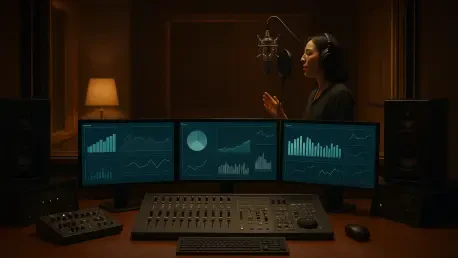

The initial development of creative AI was often characterized by an amoral approach to data acquisition, sparking a necessary counter-movement focused on musician-centered design. In the current landscape of 2026, the music industry has moved past the era of unregulated data scraping, where massive models were built on the backs of uncompensated creators. Instead, a sophisticated ecosystem of ethical tools has emerged, prioritizing the rights and intellectual property of the human artist. This transformation is not merely about compliance; it represents a fundamental shift in how technology serves the creative process. Producers today are increasingly gravitating toward platforms that offer transparency regarding their training data, ensuring that the sounds they use are ethically sourced and legally sound. This movement has fostered a renewed sense of trust between software developers and the creative community, proving that high-level innovation can coexist with moral responsibility. As these tools become standard in professional studios, they are redefining the narrative of artificial intelligence from a potential threat to a powerful, respectful collaborator in the sonic arts.
The Essential Pillars of Ethical AI Integration
To understand the current shift in production, one must examine the foundational pillars that define ethical artificial intelligence in music: collaborative licensing, revenue sharing, and data privacy. Unlike the early “black box” systems that ingested vast quantities of audio without permission, today’s leading ethical tools operate on a model of explicit consent. These developers work directly with musicians to curate datasets, ensuring that every sound or vocal inflection used to train a model is provided willingly. This collaborative approach ensures that the artists who contribute to the technology are not only credited but are also treated as essential stakeholders in the product’s success. By establishing a clear paper trail for training data, these companies provide producers with the legal certainty required for major commercial releases. This environment prevents the intellectual property disputes that once plagued the industry, allowing for a more streamlined and professional workflow that respects the history of musical craftsmanship while embracing the capabilities of modern machine learning.
Protecting Creative Property Through Secure Data Frameworks
Data privacy for the end-user has become a primary concern for professional producers who utilize artificial intelligence to refine their work. In the past, many mainstream platforms attempted to use customer uploads to improve their underlying algorithms, effectively using a producer’s original work to train a competing system. In contrast, ethical developers in 2026 have implemented strict non-training clauses, guaranteeing that user content remains private and is never used to enhance the platform’s general models. This commitment to security allows engineers to experiment with AI-driven processing without the fear of their proprietary techniques or unreleased melodies being absorbed into a public database. This shift toward localized or secure cloud-based processing has turned AI into a “safe” tool for high-stakes projects, from film scoring to chart-topping pop production. By prioritizing the user’s intellectual sovereignty, these companies have ensured that the creator remains the ultimate owner of the creative output, reinforcing the boundary between assistive technology and the original human vision.
Advancing Sonic Quality with Licensed Algorithmic Mastering
Mastering was among the first sectors of production to be radically transformed by artificial intelligence, with platforms like LANDR leading the charge toward professional-grade accessibility. Since its inception, LANDR has utilized sophisticated algorithms to provide independent creators with the polished sound traditionally reserved for expensive mastering houses. The platform’s success is rooted in its history of learning from consenting professional engineers rather than unauthorized datasets, creating an ecosystem that reflects human expertise. By analyzing a track’s dynamics, spectral balance, and stereo image against a library of ethically sourced references, the system provides a nuanced finish that respects the original intent of the mix. This transparent growth model has allowed the platform to expand into a comprehensive suite for distribution and production, maintaining a respectful relationship with the industry pros who shaped its sonic signature. It demonstrates that automation, when guided by professional standards and fair data practices, can democratize high-end audio quality for everyone.
Expanding Creative Palettes Through Ethical Tone Morphing
While mastering provides the final polish, tools such as Neutone are expanding the boundaries of sound design through the process of tone morphing. This technology allows a producer to transform an audio input, such as a vocal line or a percussion hit, into the timbre of an entirely different instrument while preserving the original performance’s nuances. Neutone has distinguished itself by adopting a radical profit-sharing model, where half of the revenue generated from specific models is returned to the artists who provided the training data. This creates a sustainable cycle where experimental sound design and fair compensation are intrinsically linked, encouraging musicians to contribute their unique sonic identities to the platform. This approach moves away from the idea of AI as a replacement for live performance and instead positions it as a sophisticated synthesizer of human talent. By rewarding the individuals who provide the foundational sounds, the industry ensures that the unique textures and timbres of the human experience continue to drive technological progress in a way that is financially viable for all parties.
Legitimizing Vocal Cloning Through Authorized Commercial Models
Vocal cloning once stood as the most controversial application of artificial intelligence, yet platforms like Voice-Swap have successfully transformed it into a legitimate commercial asset. By offering only artist-authorized voice models, these platforms provide a legal and ethical alternative to the unauthorized deepfakes that once threatened the industry. Producers can now access high-quality vocal timbres for their tracks with the full consent of the original singer, ensuring that the resulting work is both professional and morally sound. The economic structure of these platforms often involves a significant split of subscription fees or royalties with the vocalists, turning a potential technological threat into a robust new revenue stream for singers. This model allows vocalists to scale their presence across multiple projects simultaneously without the physical strain of constant recording sessions. It serves as a blueprint for how the industry can harness the power of vocal synthesis while upholding the rights and livelihoods of the performers whose voices define the sound of modern music.
Professional Workstations Built on Compensated Human Labor
For creators who require a more immersive environment, ACE Studio offers a full workstation experience that incorporates over 140 highly realistic vocal models built on a foundation of compensated labor. Every musician who contributed their voice to this platform was fairly paid for their time and the use of their likeness, which removes the ethical burden from the producer. This environment allows for unrestricted exploration and tinkering, as users can be confident that they are not participating in the exploitation of unlicensed talent. The studio provides sophisticated controls for pitch, vibrato, and breathiness, allowing the producer to direct the AI vocalist with the same precision they would use in a live session. This example highlights a broader trend where comprehensive AI tools are developed with a “human-first” philosophy, ensuring that the technology is a reflection of human skill rather than a theft of it. By integrating these ethical models into a familiar workstation format, developers have made it easier for professionals to adopt AI without compromising their personal or professional integrity.
Streamlining Industry Workflows with Licensed Data Stem Separation
In the practical realm of studio maintenance and remixing, stem separation has become an indispensable utility, and Moises AI has emerged as a leader by prioritizing licensed data partnerships. By collaborating with major labels and industry legends, Moises ensures that the data used to train its separation models is fully authorized and respects the copyright of the original recordings. This focus on “assistive” rather than “generative” technology allows DJs and remixers to isolate vocals, drums, and instruments with unprecedented clarity without infringing on the rights of the masters’ owners. The lightweight and ethical nature of this technology makes it a preferred choice for professionals who need reliable results for live performances and commercial remixes. This focus on utility over replacement underscores a growing industry preference for tools that help the human engineer work faster and more effectively. It proves that the most successful AI applications are those that solve specific problems for creators while maintaining a clear and legal connection to the source material.
Enhancing Mixing Efficiency Through Secure Workflow Assistants
The mixing process is also being streamlined by specialized AI assistants such as Safari’s Meaw Chain, which helps engineers organize and optimize their plugin chains. Rather than attempting to generate new audio content, this type of assistant analyzes the existing signal and suggests the most effective tools for the job based on a custom, in-house model. A critical feature of this platform is the guarantee that it will never train its algorithms on the user’s specific audio data, providing a secure environment for producers to refine their “secret” mixing techniques. These tools represent a shift toward AI as a utilitarian partner that supports the creator’s vision by handling the repetitive or technical aspects of the mix. By reducing the cognitive load of technical organization, these assistants free the engineer to focus on the emotional and creative aspects of the music. This separation of technical assistance from creative generation is a hallmark of the ethical AI movement, ensuring that the human remains the definitive decision-maker in the studio.
Establishing New Standards for Future Music Technology
The evolution of these tools has demonstrated that the most successful path for technology in the music industry was one paved with transparency and respect for human artists. Producers who adopted these ethical frameworks found that their work carried a higher degree of professional legitimacy and faced fewer legal obstacles in the global marketplace. The industry recognized that the value of music is inextricably linked to the human experience, and as such, the technology used to create it had to honor that connection. By demanding clear documentation of training data and fair revenue models, the creative community forced a change in how software was developed. This shift protected the livelihoods of vocalists, engineers, and session musicians while simultaneously providing producers with a more powerful and diverse set of tools than had ever existed before. The lessons learned during this period of transition established a new standard for innovation, where the pursuit of the “new” never came at the expense of the people who made the industry possible in the first place.
Integrating Ethical AI into the Modern Production Strategy
To move forward in this refined landscape, producers and engineers sought out tools that displayed clear ethical certifications and transparent data policies. They prioritized platforms that offered micro-royalty structures for contributors, recognizing that a sustainable industry required all participants to be compensated for their digital clones and samples. This strategic adoption of technology allowed creators to stay competitive without contributing to the erosion of artistic value. As blockchain and other tracking technologies matured, they provided the infrastructure needed to automate these micro-payments, making ethical production the path of least resistance. The transition from skepticism to strategic use was completed when the industry saw that ethical AI did not limit creativity but actually expanded it by removing the fear of litigation and exploitation. Those who embraced these systems positioned themselves at the forefront of a new era, where the synergy between human intuition and algorithmic precision created a more vibrant and equitable musical landscape for everyone involved in the creative chain.