


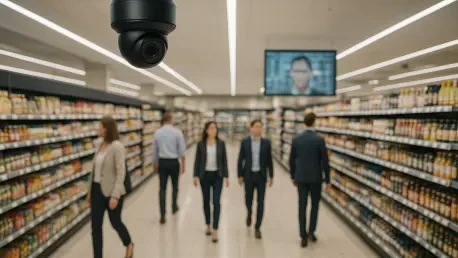

A misplaced alert from an AI-driven security system recently resulted in an innocent shopper being publicly shamed and escorted out of a grocery store. This incident highlights the growing friction between loss prevention strategies and the basic dignity of the average consumer. As retail outlets increasingly depend on biometric surveillance to mitigate shrinkage, the reliance on automated decision-making has created a digital minefield for patrons. The transition from human security guards to sophisticated facial recognition software was intended to streamline safety, yet it introduced a layer of fallibility often shielded from scrutiny. While software developers claim high precision, the application of these tools in public spaces frequently ignores the nuances of human interaction and the potential for life-altering errors. The shift toward predictive policing within private commercial spaces represents a departure from traditional shopping experiences, placing individuals under suspicion.
The Technological Complexity: Why Systems Fail
Biometric Error
The technical foundation of facial recognition relies on deep learning models that compare live video feeds against a database of known shoplifters or banned individuals. From 2026 to 2028, the industry is expected to see a surge in the integration of these systems across suburban and urban markets. However, the efficacy of these algorithms is heavily contingent upon the quality of the training data and the environmental conditions of the store. Biometric matching often struggles with varying light levels, camera angles, and the demographic diversity of the customer base, which can lead to disproportionate error rates among certain groups. When a neural network calculates a similarity score that crosses a pre-set threshold, it triggers an alert that staff members often treat as an absolute truth. This blind faith in algorithmic output ignores the inherent statistical probability of a false match, effectively outsourcing the judgment to a black-box system that provides no explanation at all.
Store Environment
Operational challenges further complicate the deployment of these security measures, as retail environments are inherently dynamic and unpredictable. Unlike controlled laboratory tests, grocery aisles are filled with movement, varying heights, and individuals wearing hats or scarves that can distort facial geometry and lead to misidentification. Many retailers utilize legacy hardware that lacks the resolution required for modern biometric analysis, yet they pair it with cutting-edge software, creating a mismatch that increases the likelihood of errors. Furthermore, the lack of standardized protocols for verifying alerts means that once a system flags a shopper, the burden of proving innocence falls squarely on the customer. This reversal of the traditional presumption of innocence creates a hostile environment where the threat of public embarrassment looms over every transaction. The long-term impact on brand loyalty is significant, as shoppers favor stores that prioritize human service.
Corporate Accountability: Consumer Rights
Privacy Concerns
Addressing the legal and ethical ramifications of retail AI requires a comprehensive look at how consumer data is managed and protected in an increasingly digital marketplace. Current regulations vary widely by jurisdiction, leaving many shoppers without clear avenues for recourse when their privacy is compromised or their reputation is unfairly damaged. The data harvested by these surveillance systems is often stored in centralized databases, raising concerns about potential breaches and the long-term storage of biometric identifiers without explicit consent. Furthermore, the lack of transparency regarding which third-party vendors provide these services makes it difficult for the public to hold specific entities accountable for malfunctions. As the technology evolves between 2026 and 2029, the demand for clear disclosures and opt-out mechanisms will likely become a central point of contention. Establishing a framework for ethical AI usage is a necessity for a functional social contract today.
Future Protocols
The most effective path forward involved the implementation of stringent ‘human-in-the-loop’ protocols that required a physical secondary check before any security action was taken. Forward-thinking companies realized that transparency was the key to retaining consumer trust and began issuing clear notices about the presence and purpose of biometric tools. They also adopted modular privacy policies that allowed customers to verify that their data was purged immediately after each visit unless a legitimate legal reason for retention existed. These retailers prioritized the development of internal audit trails to track the accuracy of their AI systems, ensuring that any faulty hardware was quickly identified and replaced. By late 2026, the industry recognized that the true value of AI lay in augmenting human decision-making rather than replacing it entirely. Ultimately, the successful integration of surveillance technology depended on a commitment to accountability and consumer rights.







