


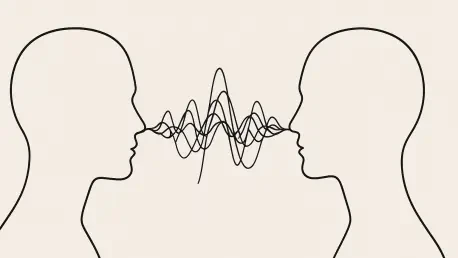

The rapid evolution of synthetic personas has reached a point where digital whispers between a human and a machine can feel more intimate than a conversation between spouses sitting in the same room. This research addresses the emerging ethical dilemma of whether romantic or sexual engagement with artificial intelligence constitutes cheating. It explores the tension between traditional definitions of fidelity and the rise of sophisticated, reactive AI companions that simulate human emotion. The study seeks to understand how the American public navigates the gray area where synthetic interaction meets real-world emotional betrayal. As digital entities become more lifelike, the psychological weight of these interactions begins to mirror that of human relationships.
This inquiry is particularly relevant as society grapples with the normalization of non-biological companionship. Traditional boundaries once relied on the presence of a physical third party to define infidelity, but the modern landscape suggests that emotional energy is the new currency of betrayal. By examining the attitudes of a broad demographic, the research highlights a significant cultural shift in how intimacy is perceived and protected. It provides a foundation for understanding the future of the nuclear family in an age where the primary competitor for a partner’s attention might be a set of algorithms designed to be perfectly agreeable.
The Shifting Boundaries of Digital Intimacy and Human Connection
As AI technology evolves from static tools into dynamic personas capable of memory and flirtation, it challenges long-standing relational norms. This research is vital because it documents a significant cultural shift: the transition of AI from science fiction to a practical household concern. Understanding these perceptions is essential for navigating the future of domestic life, as digital intimacy begins to compete with human-to-human emotional exclusivity. The depth of these synthetic bonds suggests that the human brain often struggles to distinguish between a programmed response and genuine affection, leading to complex domestic conflicts.
Furthermore, the rise of these companions represents a move toward personalized emotional fulfillment that is unconstrained by the flaws of human partners. While traditional media like film or literature allowed for passive escapism, the interactive nature of modern AI allows for active, participatory fantasy. This participation creates a sense of co-authorship in a relationship, making the bond feel more personal and, consequently, more threatening to external observers. The research emphasizes that the lack of biological life does not prevent the formation of a digital bond that can disrupt the stability of a marriage or partnership.
The Socio-Technological Impact of AI Companions on Modern Relationships
The integration of AI into the romantic sphere is fundamentally altering how individuals perceive the concept of a partner. These digital personas are no longer mere novelties; they are sophisticated agents that offer consistent validation and undivided attention. This constant availability creates a high bar for human partners, who must contend with an idealized version of companionship that never tires or argues. The socio-technological impact is profound, as it introduces a new variable into the psychology of attachment, potentially eroding the patience required for human-to-human conflict resolution.
Moreover, the research highlights that the presence of AI in the home can lead to a withdrawal from traditional social structures. When an individual finds a perfect confidant in a digital entity, the motivation to seek out or maintain human connections can diminish. This shift has broader implications for community cohesion and the social fabric of the family unit. By documenting these changes, the study warns of a future where the definition of “social” is expanded to include synthetic entities, fundamentally changing the nature of human connection and the expectations we place on our biological peers.
Research Methodology, Findings, and Implications
Methodology
The research utilized a comprehensive survey conducted via SurveyMonkey Audience in late August 2026. The study analyzed 1,709 high-quality responses from an initial pool of 2,150 U.S. adults. This methodology focused on capturing diverse demographic data, usage patterns, and moral attitudes toward AI-mediated romance to ensure a statistically significant representation of the American public’s stance on digital infidelity. By filtering for quality and consistency, the researchers were able to draw reliable conclusions about the current state of public opinion.
The approach also involved segmenting participants based on their existing familiarity with AI technology. This allowed for a comparison between those who have firsthand experience with digital companions and those who view the technology from a distance. The survey questions were designed to probe the specific behaviors that constitute betrayal, ranging from casual conversation to deep emotional dependence. This granularity was necessary to capture the nuance of a topic that lacks established legal or social definitions.
Findings
The study revealed that 50.5% of Americans now classify romantic involvement with AI as a form of cheating. A significant “experience paradox” was discovered, where 80.6% of current AI users view the behavior as infidelity, compared to only 44% of non-users. This suggests that the more an individual interacts with the technology, the more real the betrayal becomes. Additionally, the data showed that individuals in committed relationships—married or engaged—are nearly twice as likely to use AI companions as single individuals, suggesting that the technology is often used to fill perceived gaps in a partnership.
While only 10.3% of respondents cited sex as a primary driver for using these apps, 56.6% identified loneliness and the need for a confidant as their main motivation. This indicates that the betrayal is less about physical desire and more about the diversion of emotional energy. Furthermore, the findings showed that 71.7% of the population would place some form of limit on AI intimacy, even if they did not explicitly use the label of cheating. This widespread discomfort highlights a growing consensus that digital intimacy requires its own set of rules and boundaries.
Implications
These findings suggest that “emotional exclusivity” is becoming the primary metric for fidelity in the digital age. The high engagement rates among married users indicate that AI is increasingly serving as a supplement to, or a replacement for, marital interaction. Consequently, the study implies a need for couples to establish “AI clauses” within their relationship boundaries to prevent misunderstandings. Without clear communication, the use of these apps can lead to a silent erosion of trust that is difficult to repair because the “other party” is not a person who can be addressed.
Furthermore, the findings highlight a gap in current legislation, which focuses on data privacy rather than the social and ethical consequences of anthropomorphic AI on the nuclear family. As the legal system struggles to keep pace with technological advancement, the burden of moral regulation falls on individuals and families. The research suggests that society must begin a broader dialogue about the role of synthetic intimacy, as the psychological impact on partners is comparable to traditional forms of infidelity. This necessitates a reimagining of what it means to be “faithful” in a world of endless digital options.
Reflection and Future Directions
Reflection
The research process successfully highlighted that the “realness” of the emotional investment outweighs the synthetic nature of the AI entity in the eyes of the public. A key challenge was distinguishing AI romance from traditional digital media like pornography; however, the data clearly showed that the interactive, co-created nature of AI creates a unique form of attachment. This attachment is characterized by a sense of mutual history and personalized interaction that static media cannot replicate. The study effectively captured how these unique features trigger the same biological and psychological jealousy responses as human rivals.
Reflecting on the data, it became apparent that the perception of AI as a threat is directly tied to the level of emotional resonance the machine can achieve. The study could have been further expanded by exploring the specific psychological triggers that lead committed individuals to choose AI over their human partners. Understanding the specific deficiencies in human relationships that AI “solves” would provide deeper insight into the root causes of this new form of infidelity. This would help in developing better therapeutic interventions for couples navigating the complexities of digital betrayal.
Future Directions
Future research should investigate the long-term psychological effects of “digital widowhood,” or the grief experienced when AI models are retired or updated beyond recognition. There is also a significant opportunity to explore how different cultures outside of the U.S. perceive AI infidelity, as cultural norms regarding privacy and emotional expression vary widely. Longitudinal studies are needed from 2026 to 2030 to determine if AI companionship serves as a “gateway” to physical infidelity or if it acts as a safety valve that prevents the dissolution of human marriages by providing a harmless outlet.
Additionally, the impact of these technologies on the younger generation, who are growing up with AI as a standard part of their social landscape, warrants further investigation. It is possible that the definition of fidelity will continue to shift as younger cohorts enter the dating market with a different set of expectations for digital interaction. Researchers should also look into the potential for AI to be used in couples therapy, perhaps acting as a neutral mediator or a tool to help partners practice vulnerability before engaging with one another in a human context.
The Evolution of Faithfulness in an Automated World
The 2026 findings confirmed that the American perception of fidelity underwent a fundamental transformation as synthetic interactions became common. With over 70% of the population believing that some form of limit should have been placed on AI intimacy, it was clear that the lack of a human “third party” did not diminish the sense of betrayal. As AI continued to mimic human resonance and memory, the definition of a partner began to blur. The research suggested that as these digital personas grew more convincing, the emotional stakes only increased for those in committed relationships.
Ultimately, the research reaffirmed that while the companion was artificial, the emotional consequences and the potential for domestic disruption were profoundly real. The study concluded that the traditional framework of fidelity was ill-equipped to handle a world where digital entities could provide complex emotional support. As a result, the necessity for explicit relational agreements regarding technology became an essential part of maintaining a healthy partnership. The findings served as a reminder that the heart does not always distinguish between biological and digital sources of affection, making the intention of the user the ultimate metric of faithfulness.







