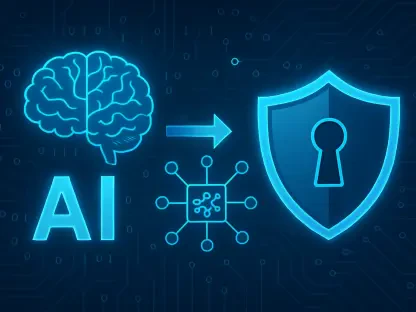

In an era dominated by rapid technological advancements, the contrast between human empathy and AI-generated empathy emerges as a crucial subject. To fully understand and leverage the power of empathy in shaping human experiences, we need to delve into the intricate dynamics of how it is perceived

Over recent years, the European Union (EU) has emerged as a pioneering force in the realm of artificial intelligence (AI) regulation, establishing itself as a benchmark for ethical governance in technology. The EU's deliberate and assertive approach to regulating AI is exemplified through its
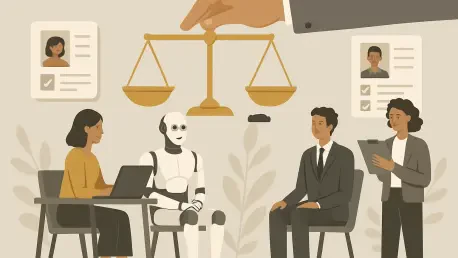
As companies race to modernize their recruitment processes, a sophisticated player has emerged to both applause and skepticism: AI-driven hiring. Questions swirl around its ethical dimensions, raising concerns about bias and transparency. Yet, this technology also promises to revolutionize how

The seemingly unstoppable advancement of artificial intelligence in fintech has come under scrutiny with recent events surrounding Grok AI, developed by Elon Musk's xAI. Its chatbots' dissemination of antisemitic and politically biased content has highlighted the critical need for ethical AI
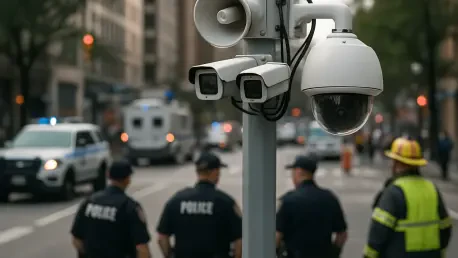
In the rapidly evolving landscape of security and public safety, AI is playing a transformative role by elevating surveillance systems from passive monitoring tools to proactive defenders against threats. The integration of artificial intelligence into surveillance technology represents a paradigm

In an era where cybersecurity threats are evolving rapidly and the sophistication of phishing attacks has reached unprecedented heights, traditional defenses are struggling to keep pace. Phishing, the art of tricking individuals into revealing sensitive information, remains a formidable challenge