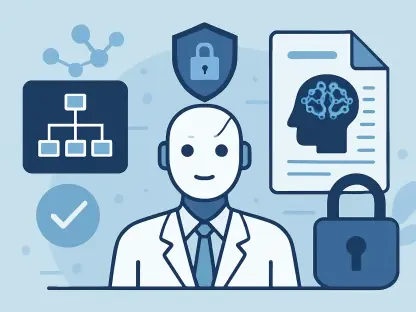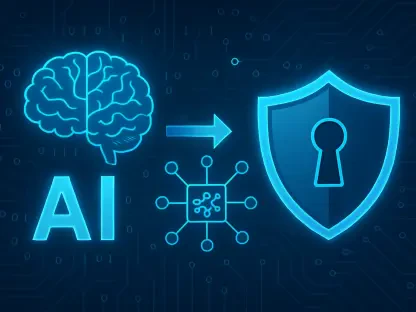

Imagine a world where power grids predict failures before they happen, water treatment plants optimize resources in real-time, and transportation networks adjust to disruptions instantly—all powered by artificial intelligence (AI). This isn’t a distant dream but a rapidly approaching reality as AI

Core Objectives of the Legislation Tackling Bias in Algorithms The heart of this groundbreaking bill lies in its mission to stop AI from perpetuating historical injustices. Many AI systems are trained on data that reflects past discrimination—think racial biases in hiring or redlining in housing.

Imagine a workplace where algorithms draft legal briefs, design marketing campaigns, and even diagnose medical conditions faster than seasoned professionals can blink. This isn’t science fiction; it’s the reality of artificial intelligence (AI) reshaping industries at breakneck speed. From customer

Imagine a sprawling corporate network where artificial intelligence systems hum tirelessly in the background, processing terabytes of sensitive data at lightning speed, often without a single human eye watching over them. This isn’t a sci-fi plot—it’s the reality for countless enterprises today.

Imagine a world where artificial intelligence churns out texts and images at an unprecedented scale, yet a leading expert questions whether this technological marvel is just a wasteful gimmick. On December 3, via a post on X, Timnit Gebru, a renowned figure in AI ethics, spotlighted the work of

The economy is marching into an AI-shaped future in which algorithms touch workflows, infrastructure, and trust at once, and the scale of change has already altered how companies build, hire, and secure themselves against new threats. AI has shifted from niche experiment to general-purpose