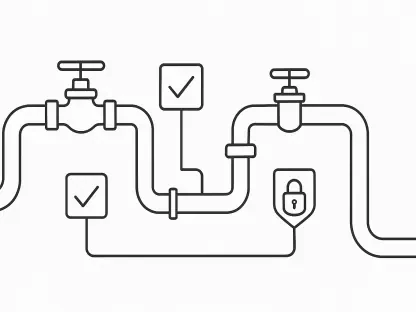

The rapid deployment of autonomous AI agents has created a precarious landscape where operational efficiency often collides with severe data governance vulnerabilities. OpenClaw 2.0 aims to mitigate the risks of unintended access by restructuring its core to support complex automations within

The commission is allocating 1.4 billion won to build cooperative frameworks that facilitate secure cross-border data transfers for international AI development. This initiative marks a central pillar of the South Korea Personal Information Protection Commission's (PIPC) massive 99.6 billion won

The shift toward human-centered AI was exemplified by Dr. Jacki O’Neill’s keynote regarding the social and environmental impacts of rapidly advancing technology. This discourse at the UCREL Summer School highlighted how the University Centre for Computer Corpus Research on Language serves as a

Data centers already account for over 4% of the nation's total electricity usage, leading to significant concerns regarding the long-term reliability of the existing electrical grid. This massive digital footprint represents the physical manifestation of an artificial intelligence revolution that

The most significant labor in AI implementation begins after the initial build, focusing on persistent logging and the creation of systemic boundaries. In the current landscape, a developer can construct an autonomous agent that interacts with external APIs and executes multi-step reasoning in less
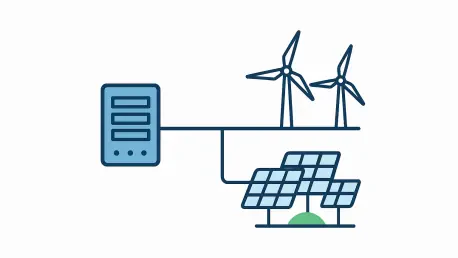
Local leaders emphasized that the moratorium is not a permanent rejection of technology but a necessary step to ensure growth does not compromise the power supply. This decision follows a rapid influx of proposals for hyper-scale facilities intended to support generative artificial intelligence and