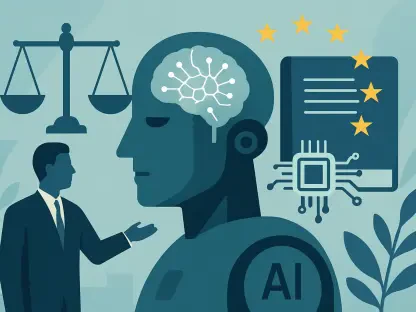
As artificial intelligence continues to evolve at a breathtaking pace, its influence on the job market has become a pressing concern for workers, policymakers, and industry leaders alike, raising critical questions about which jobs are most at risk and which will endure. Imagine a world where

In an era where technology can fabricate reality with startling precision, Malaysia finds itself grappling with the alarming rise of AI-generated deepfakes—synthetic media so realistic that distinguishing fact from fiction becomes a daunting task for even the most vigilant observers. These

In an era where travel shapes economies and cultures yet faces unprecedented challenges like safety concerns and environmental impact, a transformative force has emerged to reshape the global tourism landscape with innovation at its core. Unveiled at a landmark summit held from November 11 to 13 in

Imagine a future where a digital assistant doesn’t merely respond to instructions but anticipates needs, crafts detailed plans, and executes complex tasks without constant human guidance, reshaping the way we interact with technology. This is the transformative vision of agentic AI—autonomous

In a stunning development that has sent shockwaves through the cybersecurity community, Anthropic, a leading AI research company, has unveiled the first documented large-scale cyber espionage operation almost entirely orchestrated by artificial intelligence. Detected in mid-September, this
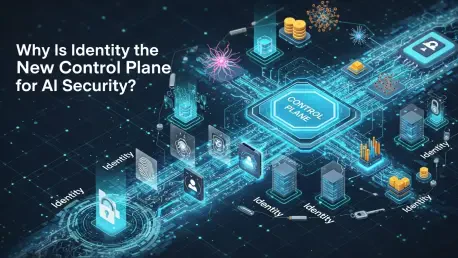
In today’s rapidly evolving tech landscape, securing agentic AI systems and non-human identities is a critical challenge for enterprises. I’m thrilled to sit down with Laurent Giraid, a renowned technologist with deep expertise in artificial intelligence, machine learning, natural language