
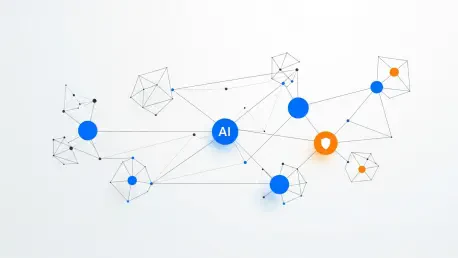
Enterprise-scale AI agents have transitioned from simple conversational interfaces to autonomous entities capable of executing complex workflows across internal software ecosystems without direct human supervision. In the current landscape of 2026, these digital workers are integrated into nearly

The rapid evolution of autonomous software entities has transformed digital ecosystems into a dense web of machine-driven decision-making that often bypasses traditional human oversight. With the release of the Cybersecurity Standards Practice Guide — Security Requirements for AI Agent Interaction

The once-ubiquitous prediction that radiologists would be entirely replaced by automated systems within a few short years has proven to be one of the most significant miscalculations in the history of medical technology. Instead of facing professional extinction, medical imaging specialists are

The rapid advancement of cryptographic research has reached a stage where the focus is moving from the development of defenses to the active application of quantum tools to identify systemic vulnerabilities. This proactive approach utilizes existing quantum hardware to probe the very systems that

As the digital landscape continues to evolve under the watchful eye of European regulators, a significant shift in the enforcement timeline of the Artificial Intelligence Act has fundamentally altered how technology firms must navigate the complex intersection of innovation and compliance. While

The global security landscape is witnessing a profound metamorphosis as traditional motion detection systems, which once plagued operators with constant false alarms, give way to sophisticated artificial intelligence capable of true environmental comprehension. In the recent past, legacy