
Nineteen percent of physicians acknowledge that nursing voices are often underrepresented during the planning and implementation phases of new clinical technologies. This admission highlights a structural gap that persists even as digital solutions become increasingly central to medical practice across the globe. As healthcare systems transition from the reactive state of the previous decade into a proactive, technology-enhanced era, a recent industry report serves as a vital diagnostic tool for the profession. By surveying over 2,700 professionals from 118 countries, the study reveals a workforce that is simultaneously strained by surging patient demands and energized by the possibilities of intelligent automation. This evolution is no longer a theoretical exercise for a distant time; it is a live integration where human intuition meets high-speed computational analysis to redefine the boundaries of care. Organizations are now forced to reconcile these ambitious technological goals with the stark reality of clinician burnout and labor shortages.
Global Pressures: Navigating Workforce Resilience
The current state of global healthcare is defined by immense strain, with many regions finding post-pandemic recovery to be an elusive goal rather than a concrete achievement. Recent data indicates that 61% of clinicians have experienced a substantial rise in patient volume, a trend that is particularly acute in the Middle East, Africa, and the Asia-Pacific region. This increased demand is not merely a statistical shift but a tangible burden coupled with heavier administrative requirements and clinical cases of growing complexity. As medical professionals navigate these challenges, they are frequently forced to balance high-standard care delivery with the limitations of outdated infrastructure. This environment creates a critical need for systems that can alleviate the pressure of manual documentation and data management, allowing clinicians to focus their limited time on the most urgent needs of their patients. Resilience is currently being tested at every level of the global healthcare delivery system.
The psychological impact of these persistent pressures is undeniable, with nearly 40% of clinicians admitting that exhaustion has significantly hindered their ability to treat patients effectively. While burnout levels are particularly high in Brazil and parts of Africa, there remains a surprising vein of resilience in other regions that offers a blueprint for potential recovery. In Latin America and the Asia-Pacific, many clinicians still maintain a belief that they can provide high-quality care despite the rising numbers, suggesting that regional support structures and collaborative environments influence professional confidence more than raw volume alone. This divergence indicates that while the workload remains heavy worldwide, the tools provided to manage that workload vary significantly in their effectiveness. Successful organizations are those that recognize this disparity and implement targeted strategies to protect their workforce from the long-term effects of chronic overextension through better resource allocation.
Mainstreaming Technology: Artificial Intelligence in Practice
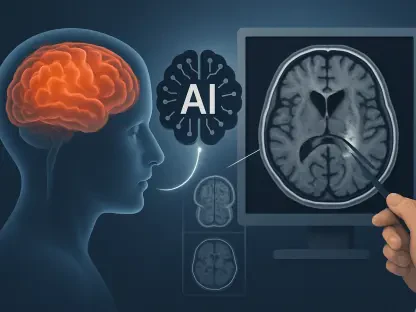
A primary takeaway from recent industry findings is the normalization of artificial intelligence within the clinical environment, with roughly half of the global workforce already utilizing some form of automated intelligence. Clinicians are rapidly shifting away from general-purpose consumer tools toward specialized, clinical-specific solutions designed specifically for medical documentation and decision support. This transition signals a professional move toward more sophisticated, medical-grade systems that are grounded in peer-reviewed data rather than generic algorithms. The adoption of purpose-built tools rose from 22% just a year ago to 34% today, showing that healthcare providers are becoming more discerning about the technology they integrate into their workflows. This trend demonstrates a growing maturity in the market, where practitioners prioritize accuracy and reliability over mere convenience, ensuring that digital assistants meet the rigorous standards of modern evidence-based medicine.
Despite the progress in adoption, the continued reliance on non-specialized tools creates potential risks regarding patient safety and data reliability. There is a strong consensus among medical professionals that automated systems must be integrated with trusted, evidence-based clinical content to be truly effective in a high-stakes environment. The risk of algorithmic bias or factual errors remains a significant concern for those tasked with making life-altering decisions based on digital outputs. To mitigate these risks, the industry is increasingly focused on developing specialized platforms that draw from validated medical literature and real-world clinical datasets. The goal is to ensure that these tools enhance the accuracy of a diagnosis or treatment plan without compromising the strict ethical and professional standards required in a medical setting. As practitioners become more comfortable with these assistants, the emphasis is shifting from basic functionality toward the depth and quality of the underlying data.
Building Trust: Essential Prerequisites for Adoption
For intelligent systems to gain full acceptance, transparency has emerged as a non-negotiable requirement for clinicians who must understand the underlying logic of recommendations. Professionals cannot rely on algorithms that offer conclusions without explaining the clinical reasoning behind them. This demand for clarity is intrinsically linked to professional accountability; a doctor or nurse remains legally and ethically responsible for the outcome of a treatment plan, regardless of the tools used to create it. Furthermore, any new technology must undergo evidence-based validation to prove its safety and effectiveness in diverse clinical environments. This involves rigorous testing against established protocols to ensure that digital tools do not introduce new errors or complicate existing workflows. By prioritizing transparency and validation, developers can build the necessary trust with healthcare providers, ensuring that these systems are viewed as reliable partners.
Beyond technical accuracy, the successful adoption of these tools depends heavily on seamless workflow integration and the reduction of administrative complexity. To be embraced by a busy clinical team, a digital solution must alleviate existing burdens rather than add new layers of data entry or software management. This requires the use of authoritative data sources and systems trained on verified medical literature to ensure that every output is medically sound and practically applicable. Governance and oversight are equally critical, as clear frameworks are needed to manage the ethical implications of assisted medical decisions. As healthcare institutions implement these intelligent platforms, they must establish protocols for oversight that address issues of data privacy, consent, and the boundaries of automated intervention. When these prerequisites are met, clinicians are far more likely to view technology as a supportive asset that enhances their capability to provide high-quality care to their patients.
The Professional Divide: Examining Different Clinical Roles
Recent findings highlight a distinct difference in how physicians and nurses perceive and utilize advanced clinical technology. Physicians currently report higher adoption rates, which is primarily attributed to their more frequent access to specialized diagnostic platforms and decision-support tools used for complex treatment planning. However, while current usage may be lower among the nursing workforce, this group expresses a significantly higher level of optimism regarding the future potential of these systems to improve patient outcomes. Nurses often see these tools as a way to bolster their professional autonomy and provide a much-needed buffer against the physical and emotional demands of bedside care. This optimism is a critical asset for healthcare leaders, as it indicates a willingness to embrace change if the tools are presented in a way that directly addresses the challenges faced by those on the front lines of patient interaction every single day.
A significant obstacle to successful digital implementation is the frequent exclusion of the nursing voice in organizational decision-making and technology strategy. Over 40% of nurses feel their perspectives are routinely ignored when new platforms are introduced, despite their role as the primary points of contact for patient care. This disconnect can lead to the deployment of tools that are theoretically impressive but practically disruptive in a high-pressure bedside environment. For these systems to be successfully integrated, healthcare institutions must ensure that the insights of the nursing workforce are valued and utilized during the early phases of design and testing. By including nurses in the conversation, organizations can identify workflow bottlenecks that physicians might overlook, resulting in more effective and user-friendly technology. Bridging this professional divide is essential for creating a cohesive digital strategy that supports every member of the care team.
The Path Forward: Implementing Sustainable Solutions
The investigation into the current clinical landscape demonstrated that the path forward required a fundamental shift in how digital tools were deployed within healthcare systems. The results highlighted that while technology was a powerful catalyst for change, it was not a panacea for the systemic issues of burnout and staffing shortages. Stakeholders emphasized that for augmentation to be effective, it had to be paired with a renewed commitment to workforce well-being and a cultural shift toward inclusivity. The data showed that clinicians who felt supported by their organizations were more likely to embrace automated assistants as a means of returning to the core humanity of medicine. This indicated that the successful transition to an intelligent healthcare model depended as much on the quality of organizational leadership as it did on the sophistication of the software. The focus shifted toward creating an environment where humans and machines could collaborate effectively.
The investigation concluded that the industry had to prioritize actionable steps that integrated the nursing voice and emphasized human-centric design in all technological rollouts from 2026 to 2028. Healthcare leaders determined that establishing multidisciplinary committees including both doctors and nurses was the most effective way to evaluate new digital tools before bedside implementation. This collaborative approach ensured that software served to reduce administrative drudgery and allowed for more meaningful patient interactions, which were the primary goals of the workforce. Additionally, ongoing education programs were identified as essential requirements to train clinicians in the ethical navigation of assisted decision-making. By focusing on trust, inclusivity, and education, the medical community established a roadmap that prioritized the clinician-patient relationship above all else. These steps ensured that the evolution of healthcare remained focused on the people it serves.