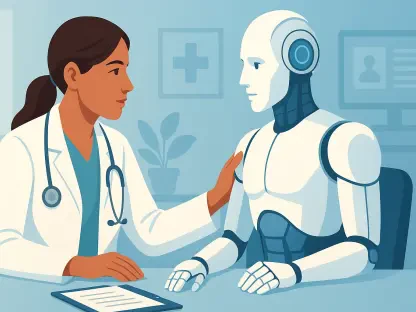

The widespread transition from static, reactive productivity software to dynamic, agentic digital ecosystems marks the most significant architectural overhaul of the modern corporate environment since the widespread adoption of cloud computing. This shift is currently epitomized by the arrival of

The share of organizations actively assessing AI tool security rose from 37% to 64% in a single year, reflecting the urgent need for structured adversarial testing. As generative AI systems transition from experimental chatbots to integrated enterprise agents, the surface area for potential

A 2024 survey by the Bank of Montreal reveals that thirty-three percent of Canadians already use artificial intelligence for financial management, with that figure climbing to fifty-five percent among Gen Z. This demographic shift underscores a profound transformation in how the average citizen

The corporate landscape is currently witnessing a fundamental transformation as digital assistants move beyond simple question-and-answer interactions toward becoming fully autonomous members of the professional workforce. Modern organizations no longer view artificial intelligence as a mere
Traditional telecom networks have long been viewed as rigid labyrinths of copper and glass, yet a profound systemic metamorphosis is currently turning these static utilities into sentient digital nervous systems. While many corporations are still experimenting with localized chatbots, Deutsche

By embedding Python capabilities directly into Google Sheets, Claude can now clean messy datasets and construct complex pivot tables without manual data entry. This advancement signals a departure from the era of passive chatbots, where users were forced to toggle between applications and
1 2 3 4 5 6 7 8 9 10 11 12 13 14 15 16 17 18 19 20 21 22 23 24 25 26 27 28 29 30 31 32 33 34 35 36 37 38 39 40 41 42 43 44 45 46 47 48 49 50 51 52 53 54 55