
The rapid integration of sophisticated language models into the core of corporate infrastructure has effectively moved artificial intelligence from the periphery of experimental labs to the very heartbeat of daily business operations. This transition marks a fundamental change in how data is

The traditional boundary between software tools and active collaborators has fundamentally dissolved as digital workflows transition from manual command-and-response structures into autonomous ecosystems. Unlike the early days of generative models where users were required to provide constant

Imagine standing in a quiet kitchen on a cold Tuesday morning, trying to renew a critical prescription, only to find yourself trapped in an endless loop of misunderstood voice commands from a software program that cannot grasp the urgency of a chronic condition. Kinney Drugs, a staple of community
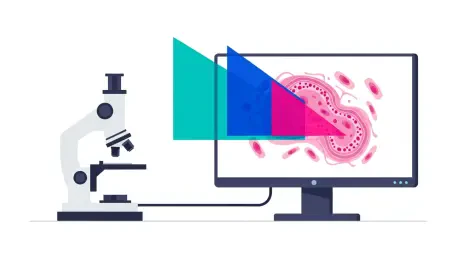
The modernization of clinical pathology has reached a significant milestone where artificial intelligence now interprets whole-slide images through the sophisticated lens of human-like dialogue and complex reasoning. Traditional artificial intelligence tools in this field typically relied on narrow

A chief executive officer sitting in a boardroom today can no longer wait for quarterly reports to understand why a specific product line is underperforming in a specific region like the Pacific Northwest. The traditional delay between customer dissatisfaction and executive awareness has

The global digital economy is currently witnessing a fundamental transformation as static artificial intelligence models transition into proactive autonomous agents capable of independent decision-making and execution. This evolution represents more than a simple software update; it is a departure