

The rapid evolution of generative artificial intelligence has moved beyond simple novelty to create a sophisticated marketplace for digital impersonation where even the most famous individuals find their voices and faces weaponized without consent. This technological leap has forced a fundamental

The digital landscape recently shifted when a global technology titan decided that owning a piece of the future was better than simply building it from scratch. When NTT DATA finalized its acquisition of WinWire Holdings from Sverica Capital Management, the industry took notice of a transaction
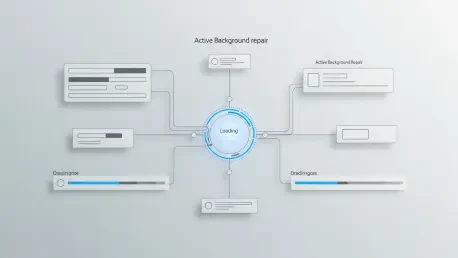
The frantic rhythm of a developer’s keyboard often marks the desperate attempt to trace a ghost in the machine before a malfunctioning AI agent creates a PR disaster for a multi-million dollar enterprise. While autonomous agents were marketed as self-sustaining entities, the reality for most

The integration of generative artificial intelligence into business intelligence platforms was intended to democratize data analysis, yet a recent security discovery highlights how easily these sophisticated guardrails can be circumvented through fundamental architectural oversights. Amazon Web
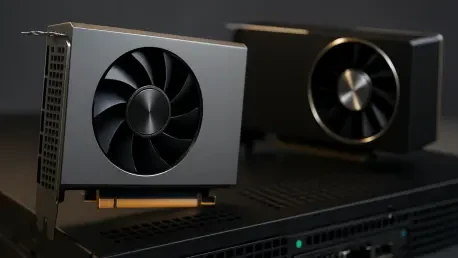
The sudden escalation in computational requirements for generative artificial intelligence has pushed data center operators into a frantic search for hardware that balances raw power with logistical feasibility. While the industry has long been defined by a single dominant player, the arrival of

The United States federal government operates one of the most sophisticated data collection networks on the planet, yet it finds itself trapped in a profound paradox where the sheer volume of gathered intelligence far exceeds the capacity for meaningful analysis. Current assessments indicate that