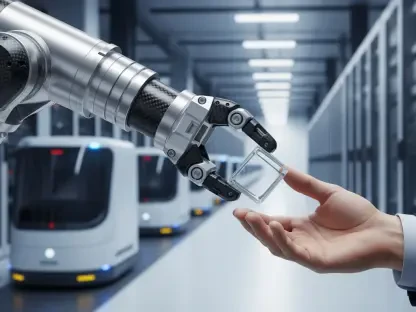
A mechanical arm reaching for a bruised apple now processes the world with the same fluidity that a linguist applies to a complex sentence, signaling a permanent departure from the rigid automation of the past decade. The era of artificial intelligence confined to flickering chatbots and digital

The transformation of corporate finance has reached a critical juncture where the traditional reliance on manual data entry and rigid automation is rapidly fading into obscurity. Modern financial departments are no longer satisfied with software that merely records transactions; they are demanding

The traditional engineering doctrine suggests that increasing the complexity of a mechanical system inevitably elevates its risk of failure because more moving parts create more opportunities for a single point of collapse. In the realm of modular robotics, this has long been a paralyzing paradox,

The rapid transition from manual data entry to fully autonomous financial systems represents the most significant structural change in corporate accounting since the invention of the spreadsheet. Today, finance departments are no longer merely digitizing paper; they are deploying intelligent

The invisible code governing trillions of dollars in global transactions is finally meeting its match in the form of generative artificial intelligence that can rewrite decades of history in seconds. For more than half a century, the global financial system has operated on a foundational "open

Securing the future of artificial intelligence requires more than just encryption; it demands a physical and digital barrier that completely severs the cord from the public internet. As organizations transition into an era where data is the most valuable asset, disconnected clouds have emerged as