
High-end spatial computing is entering a new phase where the physical comfort of the user is considered as vital as the internal processing power of the machine. For years, the industry struggled with the cumbersome nature of head-mounted displays, often resulting in physical strain that limited

Ericsson expects high-priority systems to adopt quantum-resistant standards by 2031 with a complete network-wide migration targeted for 2035. This directive marks a fundamental pivot in how global telecommunications infrastructure is conceptualized, transitioning from a pipe for data into a

Automating preclinical work through AI simulations allows pharmaceutical firms to bypass many of the manual trial-and-error phases of traditional laboratory research. By the fall of 2026, artificial intelligence has transitioned from a speculative technological trend into the primary engine driving

The official recognition of DiUS and V2 AI by AWS marks a fundamental shift from experimental generative models to autonomous agents integrated into live production environments. This transition signals a major maturation in the Australian and Asia-Pacific technology sectors, where organizations

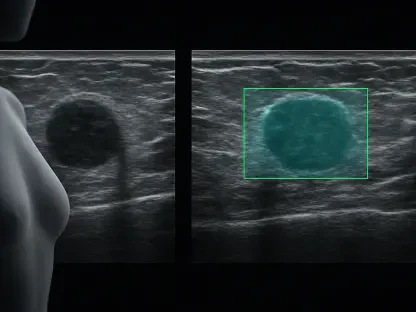
Microscopic lung vulnerabilities that escape human detection during routine staging are now being mapped by self-supervised learning algorithms to enhance patient safety protocols. The advent of immune checkpoint inhibitors has fundamentally altered the landscape of cancer treatment by enabling the

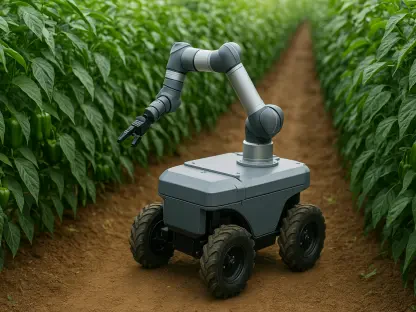
Real-time decision-making on the jobsite is being revolutionized by the ability of machines to interpret complex observations without human intervention. This fundamental shift marks the transition from pre-programmed automation to genuine physical artificial intelligence. As industrial sectors