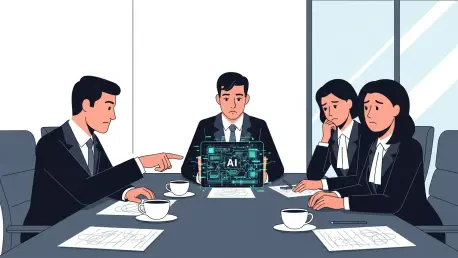
In an era where artificial intelligence promises to revolutionize every corner of professional life, the legal field finds itself grappling with a double-edged sword—unprecedented efficiency on one hand, and the potential for catastrophic errors on the other. A striking case from the Federal

Imagine walking into a Walmart store where every interaction—from personalized product recommendations to seamless checkout—is powered by artificial intelligence, yet you feel confident that your privacy is protected and the employees around you aren’t at risk of losing their jobs. This isn’t a

Imagine a world where power grids predict failures before they happen, water treatment plants optimize resources in real-time, and transportation networks adjust to disruptions instantly—all powered by artificial intelligence (AI). This isn’t a distant dream but a rapidly approaching reality as AI

Core Objectives of the Legislation Tackling Bias in Algorithms The heart of this groundbreaking bill lies in its mission to stop AI from perpetuating historical injustices. Many AI systems are trained on data that reflects past discrimination—think racial biases in hiring or redlining in housing.

Imagine sitting in a dimly lit comedy club, the crowd buzzing with anticipation, only to discover that the punchline hitting the mark was crafted with the help of artificial intelligence. It’s a scenario that’s no longer pure fantasy, as AI creeps into the deeply personal and nuanced world of

Imagine a sprawling corporate network where artificial intelligence systems hum tirelessly in the background, processing terabytes of sensitive data at lightning speed, often without a single human eye watching over them. This isn’t a sci-fi plot—it’s the reality for countless enterprises today.