
While early artificial intelligence security focused on what a model says, the modern enterprise perimeter has shifted toward managing what an autonomous agent actually does within production environments. As of early 2026, the discrepancy between pilot programs and full production remained stark,
Recent evidence from the gig economy shows that facial recognition failures have already prevented couriers from working due to the technology's inability to recognize non-white faces. This alarming development serves as the catalyst for a broader national conversation regarding the adequacy of the

Attorney General Keith Ellison argues that Minnesota has a compelling interest in protecting citizens from the digital fabrication of sexually explicit imagery. This stance formulates the backbone of a landmark legal battle that has recently intensified, pitting state-level safety regulations
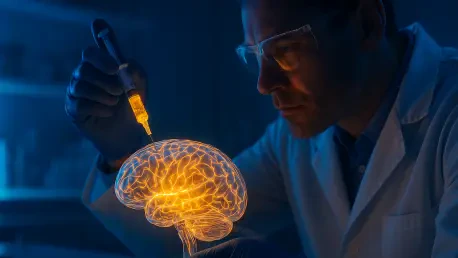
Surgery-free brain-computer interfaces could soon allow for the precise electrical stimulation of neural activity through nanodevices that navigate the blood-brain barrier autonomously. This breakthrough represents a pivotal shift in how technology interacts with the human biology, moving away from
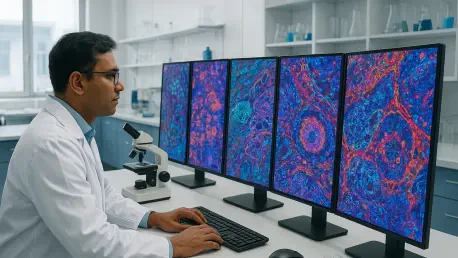
Technological expansion in the healthcare sector often prioritizes the speed of adoption over the protection of individual rights and the enforcement of ethical standards. In the bustling diagnostic centers of Dhaka and beyond, artificial intelligence is no longer a futuristic concept but a daily

Balancing the need for granular skin texture analysis with the legal and ethical requirement to protect biometric identity remains a primary paradox in digital skincare. As beauty technology continues to evolve in 2026, the reliance on high-resolution facial imagery has created a tension between