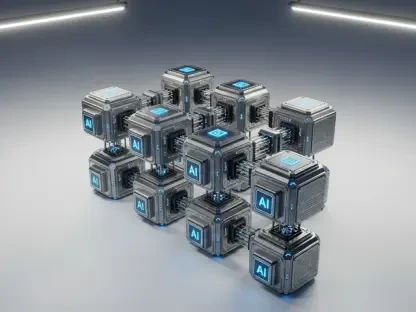

The explosive growth of agentic AI frameworks and tools has created a paradox of choice for developers, leading to a landscape so dense and complex that it often paralyzes decision-making when it comes to building next-generation applications. Faced with a dizzying array of options, enterprise
The transformation of a research lab founded to safeguard humanity's future into a corporate behemoth chasing a trillion-dollar valuation is one of the most compelling and cautionary tales of our time. OpenAI, which recently passed its tenth anniversary, now stands at the apex of the artificial

A stunning paradox defines modern computation, a world where an artificial intelligence can achieve a gold-medal score at the International Mathematical Olympiad yet simultaneously stumble over simple arithmetic. This contradiction places a spotlight on an often-overlooked tool, a single-purpose
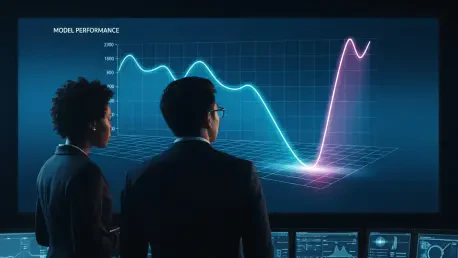
The most powerful artificial intelligence systems of our time are built upon a foundation that, according to decades of statistical theory, should crumble under its own complexity. These models, containing billions or even trillions of tunable parameters, possess a capacity so vast they could

A striking contradiction defines the cutting edge of artificial intelligence, where systems that draft legal contracts and generate intricate code are often stumped by elementary school multiplication. This paradox highlights what many researchers call AI's "jagged frontier"—its uneven landscape of

The relentless expansion of artificial intelligence, from generative art to complex data analysis, is concurrently creating an energy consumption crisis that threatens its own technological progress. As AI models grow in complexity and capability, their demand for electrical power is skyrocketing,